As blood-based biomarkers continue to reshape the diagnostic landscape of Alzheimer's disease, clinicians are gaining new tools to identify underlying pathology earlier, improve diagnostic confidence, and better select patients for emerging disease-modifying therapies. Presented at the 2026 Alzheimer's Association International Conference (AAIC), the analysis "Blood Biomarker Assays Demonstrate Strong Rule-In Performance for Identifying Cognitively Unimpaired Alzheimer's Disease" adds to a growing body of evidence supporting plasma P-tau217 as a scalable and clinically meaningful approach for detecting amyloid pathology before dementia develops.
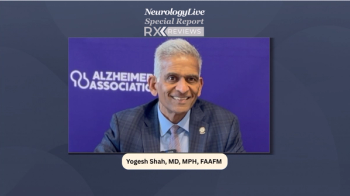
In this NeurologyLive® Special Report, Yogesh Shah, MD, MPH, FAAFP, medical director of the Broadlawns Memory Clinic, site principal investigator for the University of Iowa Geriatric Workforce Empowerment Program, and board member of the Iowa Chapter of the Alzheimer's Association, examines the biology underlying Alzheimer's disease, reviews the performance of P-tau217 blood-based assays presented at AAIC 2026, and discusses what these findings could mean for diagnosis, patient selection, and the future of Alzheimer's care as blood-based testing moves closer to routine clinical practice.
This conference coverage information is produced independently by Neurology Live and Supported by Eli Lilly and Company who has no direct influence on the content itself.