


Epilepsy
Latest News

October 6th 2026
By Marco Meglio
At a NeurologyLive Clinical Forum in Philadelphia, Jessica D. Schulte, MD, PhD, of NYU Grossman School of Medicine, discussed how earlier recognition and systemic therapy options are changing the treatment paradigm for patients with NF1-associated plexiform neurofibromas.
Advertisement
Video Series
Latest Videos


Shorts

1:22
The Compounding Effect of Sleep Apnea on Neurodegeneration
2 days ago
by
KuangHua Guo, MD, PhD
1:17
How Sleep Symptoms Could Help Identify Neurodegeneration Before It Starts
2 days ago
by
KuangHua Guo, MD, PhD
1:17
RECAP: Neurology News Network - September 26th
14 days ago
by
Louie Pasculli
0:57
What Other Nerve Conditions Are Teaching Us About Reversing DPN
15 days ago
by
Brian Callaghan, MD, MS
0:57
The 5 to 10 Year Outlook for Diabetic Peripheral Neuropathy
16 days ago
by
Brian Callaghan, MD, MS
0:49
The Research Gaps Standing Between DPN and Reversibility
16 days ago
by
Brian Callaghan, MD, MS

1:00
The Broader Lessons From Zilganersen's Path to Approval
a month ago
by
Amy Waldman, MD
1:35
The Missing Step Between iPSC Drug Screening and Clinical Trials
a month ago
by
Ahmet Hoke, MD, PhD
0:35
What iPSC Models Miss About the Nervous System
a month ago
by
Ahmet Hoke, MD, PhD
1:28
Building a Smarter Drug Development Pipeline for Neuropathy
a month ago
by
Ahmet Hoke, MD, PhD
Podcasts

CME Content













Advertisement
More News

The FDA lifted a clinical hold on simufilam, clearing Filana Therapeutics, formerly Cassava Sciences, to begin a phase 2a study in TSC-related epilepsy.
Xenon Pharmaceuticals submitted an FDA new drug application for azetukalner, a KV7 potassium channel opener, as adjunctive therapy for focal seizures in epilepsy.

Here's some of what is coming soon to NeurologyLive® this week.

Take 5 minutes to catch up on NeurologyLive®'s highlights from the week ending September 18, 2026.
Marketed as Fayuvi, the 1-time AAV9 gene therapy showed sustained cerebrospinal fluid heparan sulfate drops and developmental gains among pediatric patients with mucopolysaccharidosis type IIIA in prior studies.
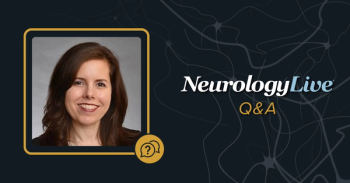
Amy Waldman, MD, Medical Director of the Leukodystrophy Center at Children's Hospital of Philadelphia, discusses zilganersen's mechanism, safety profile, clinical considerations, and what the first-ever approval for Alexander disease means for the broader leukodystrophy field.
Here's some of what is coming soon to NeurologyLive® this week.
Take 5 minutes to catch up on NeurologyLive®'s highlights from the week ending September 11, 2026.
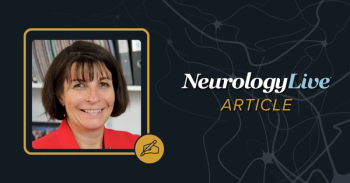
An indirect comparison found zorevunersen-treated patients with Dravet syndrome showed greater gains in adaptive functioning and behavior than natural history patients.
Here's some of what is coming soon to NeurologyLive® this week.
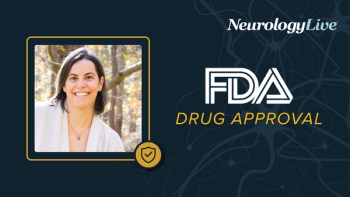
FDA approved Zanvastro (zilganersen), the first therapy to directly target the GFAP protein buildup that drives Alexander disease, based on a phase 3 trial showing improved walking speed and motor function versus untreated controls.
The phase 3 Aspire study of apazunersen did not meet its primary cognition end point or key secondary end point in Angelman syndrome.
Test your neurology knowledge with NeurologyLive®'s weekly quiz series, featuring questions on a variety of clinical and historical neurology topics. This week's topic is pediatric epilepsy care!
Take 5 minutes to catch up on NeurologyLive®'s highlights from the week ending August 28, 2026.
Take 5 minutes to catch up on NeurologyLive®'s highlights from the week ending August 21, 2026.
Oak Hill Bio announced dosing of the first participant in BEACON, a pivotal phase 3 trial evaluating rugonersen, an antisense oligonucleotide originally developed by Roche, for Angelman syndrome.
Take 5 minutes to catch up on NeurologyLive®'s highlights from the week ending August 14, 2026.

Uma Menon, MD, Adult Neurology Residency Program Director at Allina Health Brain and Spine Institute, shares lessons on navigating fellowship, finding the right career path, building expertise, and maintaining balance throughout a career in neurology.

In a recently published phase 3 post hoc analysis, treatment with fenfluramine was associated with early, sustained reductions in fall-related seizures among patients with Lennox-Gastaut syndrome.
Cynthia Keator, MD, director of neurology at Cook Children's Hospital, shares her perspective on building longitudinal Lennox-Gastaut syndrome care plans, navigating the pediatric-to-adult transition, and what the field needs to do better for patients and families.

Epilepsy expert Susan Duberstein, MD, explores how multidisciplinary neurocutaneous clinics improve diagnosis, surveillance, care coordination, and long-term outcomes for patients with complex neurocutaneous syndromes.
Ahead of World Brain Day, NeurologyLive explores 5 emerging strategies for preventing neurologic disease, from modifiable dementia risk factors to GLP-1 drugs, sleep science, the gut brain axis, and wearable technology.
Take 5 minutes to catch up on NeurologyLive®'s highlights from the week ending July 10, 2026.
Led by Na Tosha Gatson, MD, PhD, FAAN, director of the Center for Neuro-Oncology at the Indiana University Health Neurosciences and Cancer Institutes, this new column translates complex neuro-oncology topics into accessible, evidence-based insights.
Cleveland Clinic pilots HAP-E, guiding older adults to manage epilepsy and cognitive decline with lifestyle tools, medication support, and virtual access.
Advertisement
Advertisement
Trending on NeurologyLive - Clinical Neurology News and Neurology Expert Insights
1
Solengepras Meets Primary Endpoint in Phase 3 ARISE Trial of Parkinson Disease
2
CSF Biomarkers Identify Shared LRRK2 Pathway Activation in Sporadic and LRRK2-Associated Parkinson Disease
3
Advanced Therapies in Parkinson Disease: Matching the Right Treatment to the Right Patient
4
Beyond MRI: The Role of Serum Biomarkers in Multiple Sclerosis
5