Newly presented post hoc analyses examined diazepam nasal spray for status epilepticus in seizure clusters and intervals between clusters in children, alongside real-world data on rescue medication prescribing.
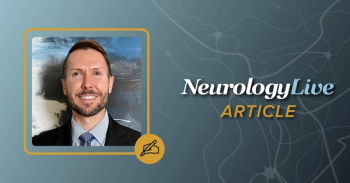
The director of the Center for Clinical Ethics at Yale New Haven Health provided insights on newly published guidelines for functional seizures, stressing the reasons for systemic psychiatric assessment and careful seizure characterization. [WATCH TIME: 3 minutes]
WATCH TIME: 3 minutes
“Up to 90% of patients with functional neurologic disorders have co-occurring psychiatric conditions, and untreated depression or anxiety can make treatment of functional seizures much more difficult. Clear diagnostic clarity and psychiatric care are foundational to successful management.”
In late 2025, a group of investigators published new evidence-based guidelines for clinicians, patients, and other stakeholders in the management of functional seizures. Functional seizures, also labeled as dissociative seizures, are transient episodes of altered consciousness or involuntary movements resembling epileptic seizures or syncope but conceptualized to be driven by episodic dissociation or other cognitive-affective mechanisms. The review, based on 12 different studies, provided recommendations for diagnosis of functional seizures, assessment of psychiatric comorbidities and epilepsy, psychological interventions, and pharmacologic interventions.
Following the publication, NeurologyLive® reached out to study author Benjamin Tolchin, MD, FAAN, director of the Center for Clinical Ethics at
In the interview, Tolchin gave clinical perspectives on the high prevalence of co-occurring psychiatric disorders, the importance of early screening and formal psychiatric evaluation, and how untreated psychiatric illness can complicate psychotherapeutic treatment. He continued to refer back to the guidelines, emphasizing the need for thorough EEG evaluation to identify coexisting epilepsy in certain patients. Furthermore, he emphasized the need for clear differentiation between epileptic and functional events to guide both medication management and psychotherapy.