New data from a Cure SMA survey showed that children treated with disease-modifying therapy soon after birth walk more often and have fewer comorbidities than those treated later.
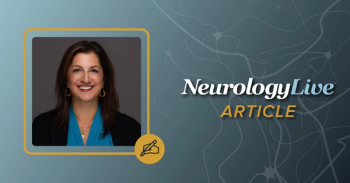
The division director of epilepsy and associate professor of neurology at The Ohio State University Wexner Medical Center talked about the impact of ongoing seizures in patients with drug-resistant epilepsy and the importance of education for emerging opportunities in epilepsy care. [WATCH TIME: 3 minutes]
WATCH TIME: 3 minutes
"I believe a significant aspect is centered around education. It's about providing knowledge to healthcare providers, discussing these emerging possibilities. Moreover, it's about educating patients and caregivers, urging them not to lose hope, encouraging the pursuit of better seizure control—even aiming for zero seizures when feasible. There are new opportunities on the horizon, and even if previous options fell short, recent advancements may prove effective."
Seizures from epilepsy are a result of abnormal brain activity in patients, which requires an early diagnosis and treatment to prevent ongoing seizures called status epilepticus. According to research, risk factors of epilepsy include family history, fever, infections, neurological issues, premature birth, maternal alcohol use, and smoking during pregnancy.1 Current treatments for this condition aim to counteract the pathological mechanisms such as with early drug administration, airway management, vital sign monitoring, PICU admission, and addressing parent anxiety. Despite the efforts for improving seizure management, especially among pediatric patients with drug-resistant epilepsy, there is still a need for more effective therapies and better education to inform the community about patients’ unmet needs.
At the
One of the speakers, Danielle Becker, MD, MS, FAES, division director of epilepsy and associate professor of neurology at