New data from a Cure SMA survey showed that children treated with disease-modifying therapy soon after birth walk more often and have fewer comorbidities than those treated later.
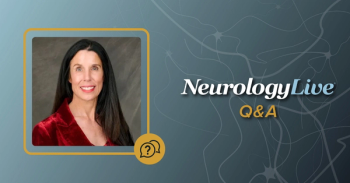
The professor of neurology at NYU Langone Grossman School of Medicine discussed her talk at AAN 2022 on neurological sequelae and follow-up in hospitalized and nonhospitalized patients with COVID-19. [WATCH TIME: 8 minutes]
WATCH TIME: 8 minutes
"What’s interesting is that 20% of people said they have some cognitive problem, but 50% tested abnormal. There’s some anosognosia. There are certain people that are like, ‘I’m fine!’ and they’re not fine. That’s a really interesting group of people."
It has been frequently reported that COVID-19 infection may result in post-acute neurological sequelae, mainly in forms of fatigue, headaches, and memory impairment; however, little is known about trajectory of recovery 12-months after hospitalization for severe COVID-19. To better understand this, a group of investigators conducted a prospective, longitudinal cohort study of patients with and without neurological complications during index hospitalization from March 2020 to May 2020.
Of the 242 included patients, 47% (n = 113) had neurological complications during index hospitalization and 53% (n = 129) had no neurological complications during hospitalization. At 12 months, 87% (197 of 227) of patients who completed all follow-up batteries had at least 1 abnormal metric. More specifically, 75% (176 of 235) had a modified Rankin Scale (mRS) score greater than 0, 64% (150 of 236) had a Barthel Index of Activities of Daily Living less than 100, and 50% (80 of 161) of patients without a prior history of dementia/cognitive abnormalities had an abnormal telephone Montreal Cognitive Assessment (t-MoCA) score. Excluding patients with pre-COVID-19 mRS scores greater than 0, 82% (107 of 130) of patients had at least 1 abnormal metric at 12 months.
Lead investigator
NeurologyLive® caught up with Frontera at AAN 2022 to discuss her presentation, along with her thoughts on the general state of post-acute sequelae-related research. She stressed the need to capture detailed data on patients with infections, their neurological abnormalities, and any additional complications they may be experiencing.