

Conference Coverage
Latest News

Mar 05, 2026 | News
Healthy Dietary Patterns Associated with Lower Risk of Subjective Cognitive Decline
FDA Action Update, February 2026: Complete Response Letter, Expanded Indication, and Acceptance
Mar 05, 2026

GB221 Gene Therapy Enters First-in-Human CHARISMA Trial for Spinal Muscular Atrophy Type 1
Mar 05, 2026
Sleep Duration and Psychological Distress as Key Drivers of EDS, Study Shows
Mar 05, 2026

Early Study of Lithium in Mild Cognitive Impairment Yields Mixed Outcomes
Mar 04, 2026



Advertisement
Shorts
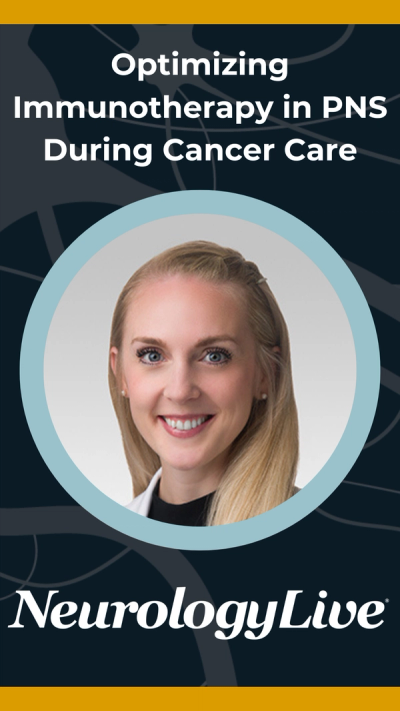
0:55
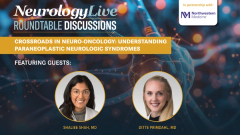
Optimizing Immunotherapy in PNS During Cancer Care
9 hours ago
by
Ditte Primdahl, MD(+2 more)

0:59
Managing Immunotherapy and Recovery in PNS
14 hours ago
by
Shailee Samir Shah, MD(+2 more)
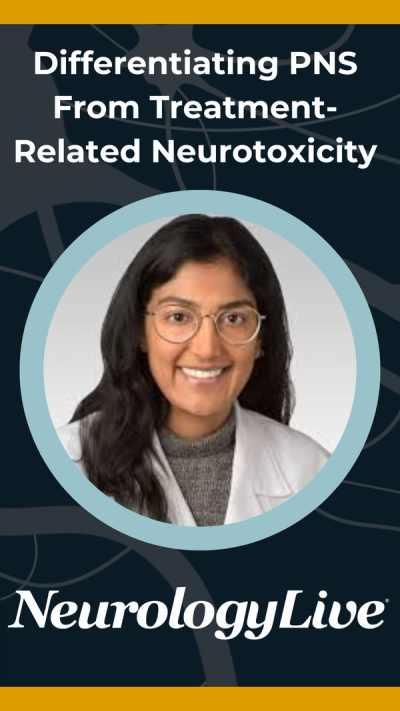
1:00
Differentiating PNS From Treatment-Related Neurotoxicity
3 days ago
by
Shailee Samir Shah, MD(+2 more)
1:01
Challenges in Diagnosing Paraneoplastic Neurologic Syndromes
3 days ago
by
Ditte Primdahl, MD(+2 more)
1:11
Differentiating Classic PNS from ICI-Related Toxicities
4 days ago
by
Ditte Primdahl, MD(+2 more)

0:27
Managing PNS in the Era of Immunotherapy
5 days ago
by
Shailee Samir Shah, MD(+2 more)
1:07
Prioritizing Malignancy Screening in Suspected PNS
7 days ago
by
Ditte Primdahl, MD(+2 more)
0:44
Screening Strategies for Suspected PNS
8 days ago
by
Shailee Samir Shah, MD(+2 more)
1:33
Phase 3b RESHAPE Trial Evaluates Switching From Ocrelizumab to Remibrutinib
8 days ago
by
Marisa McGinley, DO(+1 more)
0:50
Distinguishing PNS From Other Cancer-Associated Neurologic Complications
9 days ago
by
Ditte Primdahl, MD(+2 more)
Coverage of the ACTRIMS Forum 2026
Get direct access to interviews with experts, as well as the latest data and clinical news updates, straight from the conference floor in San Diego, California.

Mind Moments Podcast
Mind Moments® is a biweekly podcast from NeurologyLive that brings you exclusive interviews with expert neurologists and clinicians.

NeuroVoices
NeuroVoices is NeurologyLive's series of in-depth, exclusive Q&A conversations with a variety of experts in the care and management of patients with neurologic diseases about topics in clinical care and therapeutic development.
Gold Standard Centers
Gold Standard Centers is our deep dive feature series on examples of institutional success in neurologic medicine, highlighting the centers that are leading the way in care.
DAMM Good Sleep
Check out DAMM Good Sleep × NeurologyLive for neurology-focused sleep content to allow any neurology stakeholder to use sleep as the diagnostic, prognostic, and therapeutic neurology tool it should be.
Videos



Podcasts
Continuing Medical Education

Advertisement
All News
Advertisement

A new study showed that higher baseline Epworth Sleepiness Scale scores were associated with greater early continuous positive airway pressure adherence in patients with obstructive sleep apnea.

The associate professor of neurology at Mayo Clinic provided a breakdown of the real-world eptinezumab data from INFUSE and its implications for early, robust migraine intervention after CGRP failure.

Neal K. Shah, CEO of CareYaya Health Technologies, discusses how the largest workforce in the US maintains the safety of patients with dementia at home while remaining underpaid and unrecognized.
Understanding the Links Between Air Pollution and Increased Alzheimer Disease Risk
Published: | Updated:
R. Scott Turner, PhD, MD, director of the memory disorders program at MedStar Georgetown University Hospital, discussed the importance of investigating environmental risk factors in Alzheimer disease.

Real-world INFUSE results show IV eptinezumab boosts good days and cuts monthly headache days for hard-to-treat migraine patients.
INSIGHT Launches International Effort to Advance Women’s Neurology Education
Published: | Updated:
Neurologists Esther Bui, MD, and Angela O'Neal, MD, talked about the INSIGHT network, a collaborative global initiative designed to advance medical education in women’s neurology.
Full data from the FENhance studies of fenebrutinib will be presented at the 2026 American Academy of Neurology Annual Meeting and submitted for regulatory review along with FENtrepid data in multiple sclerosis.

Here's some of what is coming soon to NeurologyLive® this week.
A Look at the Tracks at MDA's Upcoming Clinical & Scientific Conference
Published: | Updated:
Barry J Byrne, MD, PhD, the chief medical advisor of MDA, also spoke about what he personally is most looking forward to at this year's meeting.
Test your neurology knowledge with NeurologyLive®'s weekly quiz series, featuring questions on a variety of clinical and historical neurology topics. This week's topic is diagnostic workup for multiple system atrophy!
Advertisement
Global site reactivation for the MAGNITUDE-2 trial of nexiguran ziclumeran in hereditary transthyretin amyloidosis with polyneuropathy is underway, with enrollment completion expected in the second half of 2026.
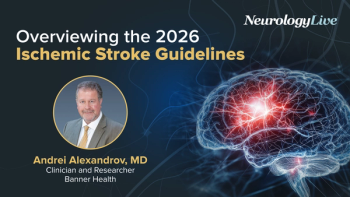
Breaking Down the 2026 Acute Ischemic Stroke Guidelines
Published: | Updated:
Andrei Alexandrov, MD, an award-winning leader in stroke research and clinical care, discussed the clinical impact of the latest stroke guidelines and their implications for diagnosis and care.

Take 5 minutes to catch up on NeurologyLive®'s highlights from the week ending February 27, 2026.
In honor of Black History Month, neurologist Na Tosha Gatson, MD, PhD, reflects on structural inequities in neuro-oncology and advancing equity through mentorship, trial design, and institutional policy.
Advertisement
Advertisement
Trending on NeurologyLive - Clinical Neurology News and Neurology Expert Insights
1
FDA Action Update, February 2026: Complete Response Letter, Expanded Indication, and Acceptance
2
The Invisible Workforce That Determines Whether Your Patients Age at Home or in a Hospital Bed
3
GB221 Gene Therapy Enters First-in-Human CHARISMA Trial for Spinal Muscular Atrophy Type 1
4
Early Study of Lithium in Mild Cognitive Impairment Yields Mixed Outcomes
5