

Elezanumab's biomarker analysis in stroke patients underscores its potential as a neuroprotective therapy for acute ischemic stroke management.

Marco Meglio, Assistant Managing Editor for NeurologyLive, has been with the team since October 2019. Follow him on Twitter @marcomeglio1 or email him at [email protected]
Elezanumab's biomarker analysis in stroke patients underscores its potential as a neuroprotective therapy for acute ischemic stroke management.
Over a 90-day period, investigators observed significantly lower functional outcomes on modified Rankin Scale and similar rates of bleeding and death when compared with control.

Mind Moments®, a podcast from NeurologyLive®, brings you an interview with Ignacio Mata, PhD. [LISTEN TIME: 21 minutes]

IPX203, a novel, oral formulation of carbidopa/levodopa, had its new drug application supported by findings from the phase 3 RISE-PD study, where treated patients showed greater ON time than immediate-release CD/LD.

Over a 6-month period, yoga was shown to be efficacious in managing neuropsychiatric comorbidities in epilepsy, along with reducing overall seizure frequency.

In comparison with placebo, slightly better outcomes on modified Rankin Scale were observed with adrenomedullin.
The chief executive officer of ClearPoint Neuro provided clarity on how the recently approved SmartFrame system can enhance the efficiency of operating room procedures, allowing for flexible workflows and image-based corrections.

The promising results of nipocalimab in pivotal studies suggest a potential breakthrough in treating autoimmune diseases like generalized myasthenia gravis and Sjögren’s.
Using a cohort of more than 100 patients with epilepsy, findings confirmed the promising efficacy and safety of agomelatine for treating sleep and mood disorders in this patient population.

Patients with non-P42 MOG-IgG in MOGAD had over three times higher risk of relapsing course than those with P42 MOG-IgG.

Throughout the 96-week EVOLVE-MS-1 trial, the majority of patients with MS experienced stable outcomes with diroximel fumarate treatment.

The associate professor of neurology at the Cleveland Clinic Learner Institute discussed some of the complexities with genetics in Parkinson disease and the ideas behind developing and administering targeted gene therapies. [WATCH TIME: 4 minutes]
Test your neurology knowledge with NeurologyLive®'s weekly quiz series, featuring questions on a variety of clinical and historical neurology topics. This week's topic is stroke.

In a case report, an HIV-positive patient with active multiple sclerosis showed reduced disease activity with tenofovir-containing antiretrovirals, suggesting potential MS treatment benefits.

For patients on apixaban, the risk of stroke or systemic embolism was lowered by 37% and the risk of disability or fatal stroke was lessened by 49%.

Marisa McGinley, DO, a staff neurologist at Cleveland Clinic’s Mellen Center for MS Treatment and Research, provided forward thoughts on the healthcare reach of neurologists and care access for patients with multiple sclerosis.

The observational study found no increase in migraine days at the end of treatment months for patients on erenumab or fremanezumab.

Despite conditional approval in Europe since 2014, ataluren's authorization has faced rejections and is still investigational in the US.

Approved in 2021 under the accelerated approval pathway, aducanumab’s path has been met with controversy and lack of industry support.

VCA-894A, a novel antisense oligonucleotide, exhibits a mechanism of action that specifically targets a cryptic splice site variant within immunoglobulin mu-binding protein 2.
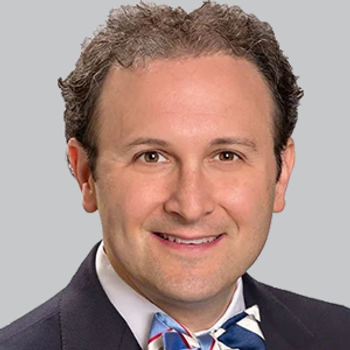
Despite initial enthusiasm, novel treatments for Duchenne muscular dystrophy face discontinuation challenges and lack long-term clinical efficacy data.

Over a 28-week treatment period, the investigational agent demonstrated significantly greater increase in dystrophin expression and exon skipping than previously approved eteplirsen, Sarepta’s first therapy for Duchenne muscular dystrophy.
Test your neurology knowledge with NeurologyLive®'s weekly quiz series, featuring questions on a variety of clinical and historical neurology topics. This week's topic is movement disorders.

Even after adjusting for indications for benzodiazepine administration and baseline disease severity, results showed greater patient disease worsening while on such medications, regardless of duration and dose.

The proposed NSD-ISS staging system for Parkinson's disease, focusing on neuronal α-synuclein pathology, aims to enhance trial design and drug development.
Mind Moments®, a podcast from NeurologyLive®, brings you an interview with Orrin Devinsky, MD. [LISTEN TIME: 18 minutes]

In total, 82% of patients were interested in more convenient treatments, emphasizing the importance of shared decision-making and open discussions with physicians in rare disease management.

Although there were no significant differences in the primary end secondary end points, patients with mRS scores of 0 to 2 at day 90 seemed to show better outcomes in the cell therapy group, particularly for those with ischemic core volumes of 50 mL or greater.
The chief executive officer of Aruna Bio provided context on a newly accepted phase 1/2 trial assessing the company’s neural-derived exosome agent AB126 in patients with acute ischemic stroke.
Overall, the results revealed that light therapy helped to alleviate sleep efficiency, sleep quality, depressed mood, caregiver burden, and agitated behavior.