The chair of the Department of Neurosurgery at Banner-University Medical Center discusses the current state of the science being done in the realm of epilepsy surgery.
The chair of the Department of Neurosurgery at Banner-University Medical Center discusses the current state of the science being done in the realm of epilepsy surgery.
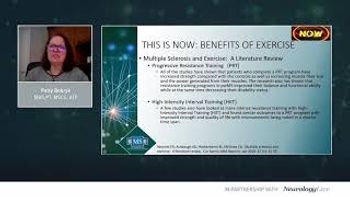
Patricia Bobryk, MHS, PT, MSCS, ATP, presents her lecture titled, "Rehabilitation in MS: That Was Then, This Is Now" as part of the 2020 CMSC Virtual Annual Meeting.
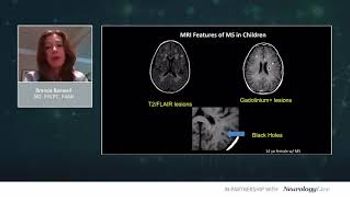
Brenda Banwell, MD, presents her lecture titled, "Current Perspectives of Pediatric MS Care and Research" as part of the 2020 CMSC Virtual Annual Meeting.
The assistant professor and director of Clinical Vascular Neurology Research at NYU Langone gives perspective on his recent study of patients with stroke and COVID-19 and the difficulties in understanding their relationship.

Mona Bostick, RDN, LDN, presents her lecture titled, "The Importance of Assessing Nutritional Health in Patients With MS" as part of the 2020 CMSC Virtual Annual Meeting.
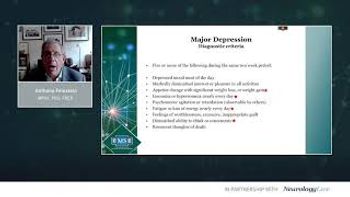
Anthony Feinstein, MPhil, PhD, FRCP, presents his lecture titled, "Depression and MS: Diagnosing and Treating" as part of the 2020 CMSC Virtual Annual Meeting.

The founding executive director and chief science officer at the Alzheimer’s Drug Discovery Foundation discussed goals and current work being conducted by its Diagnostics Accelerator initiative.

The newly appointed director for the Center for Experimental Neurotherapeutics at St. Jude Children’s Research Hospital details his personal responsibilities and the long-term goals for the new center.








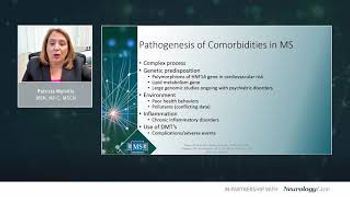
Patricia Melville, NP-C, MSCN, and Marijean Buhse, PhD, NP-C, MSCN, present their lecture titled, "Comorbidities and MS: Critical Thinking About DMTs and Vaccines" as part of the 2020 CMSC Virtual Annual Meeting.
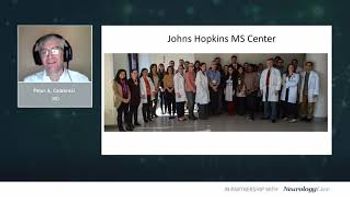
Peter Calabresi, MD, delivers the Whitaker Lecture as part of the 2020 CMSC Virtual Annual Meeting.
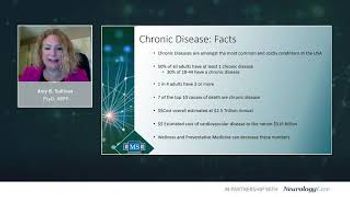
Amy Sullivan, PsyD, ABPP, presents her lecture titled, "Science, Art, and Practice of Behavioral Medicine" as part of the 2020 CMSC Virtual Annual Meeting.
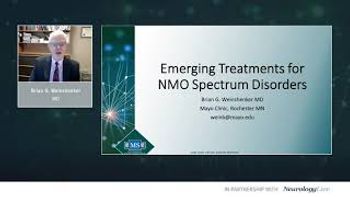
Brian Weinshenker, MD presents his lecture titled, "Neuromyelitis Optica Spectrum Disorders: Emerging Treatment Options" as part of the 2020 CMSC Virtual Annual Meeting.
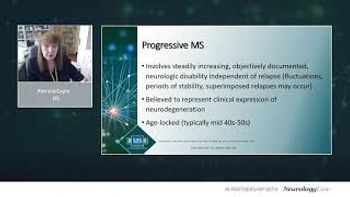
Patricia Coyle, MD, delivers her lecture titled, "Progressive MS: Diagnosis, Clinical Course and Long-Term Management" as part of the 2020 CMSC Virtual Annual Meeting.