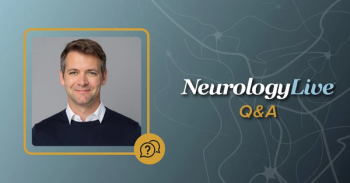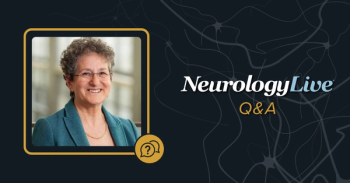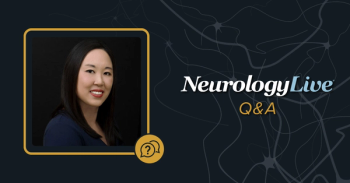
Angela Lek, PhD, chief research officer at the Muscular Dystrophy Association, discussed how the 2027 MDA Clinical and Scientific Conference agenda reflects key themes in neuromuscular medicine.
Brian Lin, PhD, senior director of research at the Muscular Dystrophy Association (MDA), discussed the sessions he is most excited about at the 2027 MDA Clinical and Scientific Conference.
The
Ahead of the conference,
In this recent Q&A, Lin highlighted the cross-disease and gene therapy sessions he is most looking forward to and explained what is driving the shift toward prevention studies in genetic forms of ALS. He also outlined the open questions around dystrophin and gene therapy safety that will be debated at the meeting, described the momentum across the disease spotlights and Lab to Life sessions, and discussed how newborn screening is changing the way neuromuscular care is delivered.
Brian Lin, PhD: There’s a lot to look forward to this year. When we were setting up the agenda, we wanted to make sure there was a good mix: that we still had the disease spotlight sessions that capture the latest research happening in those particular fields, but also sessions that are able to stimulate new debates and new conversations for the field.
One area I’m particularly interested in is the sessions related to cross-disease discussions, and we have many of those. We’ll be exploring shared pathways in neurodegeneration, we always have a topic on muscle regeneration at the conference, and we’re also having sessions on AI and drug development, the innovative research programs being conducted for a lot of different rare diseases, and, of course, patient registry development. These are all areas that are evolving rapidly in the current landscape, and they’re topics where people working on all different kinds of diseases can come together, discuss, and share their learnings.
What also gets me excited is the gene therapy sessions, because that’s always a hot topic. Given recent clinical outcomes for gene therapies, we’ll continue to raise important questions during those sessions on safety and improving efficacy. For neurologists, the take-home message is that we’re having a lot of great discussions that are extremely relevant and will actively shape the landscape of neuromuscular disease research. We hope you’ll join us to share your perspectives and help shape the field.
A couple of things are coming together to spur the discussion about whether we can actually do prevention studies, especially for ALS. One is that we now have therapies that are really good at targeting the underlying genetic mechanisms, or mechanisms that are really important for ALS. The more we run those trials, the more we realize that the effectiveness of those therapies is contingent on how early you can get them into patients. The earlier, the better.
Tofersen’s approval back in 2023 for SOD1 ALS highlighted a couple of really important things. The first is that the patients who received the therapy early had a lot more benefit than those who received it later. The second is that the biomarker neurofilament is responsive to treatment, but more importantly, it’s also responsive to disease progression and disease onset. Recent research has shown that neurofilament starts to rise even before symptoms appear, which potentially gives us a key window where we can detect the disease and also intervene at that stage.
Now the field is putting that knowledge to the test. We have the ATLAS trial ongoing, which is testing tofersen in presymptomatic individuals. The concept of prevention is also moving to other genetic forms of ALS, such as the C9-PREVENT study started by Dr. Michael Benatar at the University of Miami and Dr. Corey McMillan at the University of Pennsylvania. Clinicians and researchers are starting to have discussions about how to set up these prevention trials and who may be eligible for these studies, and that reemphasizes the importance of genetic counseling and genetic testing for the field.
We have a lot of gene therapy sessions, including one on a dystrophin debate around DMD, and I think it really gets at fundamental questions we’ve been asking for a while about how much and what type of gene therapy is most beneficial for particular patients. In DMD, we’re seeing so many different approaches for tackling the disease. There’s exon skipping, there’s gene replacement therapy with microdystrophin, and gene editing is making its way through research as well. We still don’t fully understand some of the fundamental questions, such as how much dystrophin is needed for functional benefit or what type of dystrophin is best. Those questions will be part of the dystrophin debate we’re going to have at the conference, and they also have implications beyond DMD for how we think about gene therapies for other diseases.
The other big area, of course, is safety. Given some of the recent clinical outcomes with gene therapies, there are a lot of important discussions and questions to be had around how to improve safety, especially with AAV technologies, and around potentially redosing to make more people eligible for these gene therapy options.
That’s really hard to say, because it’s hard to compare the diseases. Each is in its own space with its own individual challenges. But each field is really trying to tackle its biggest bottlenecks, so the nature of the progress looks different in each disease.
For example, in myotonic dystrophy, we’re seeing a lot of promising advances in RNA-targeted approaches that are trying to address the splicing abnormalities. We’ve seen some recent emerging data from Novartis and PepGen, and the field is learning from those studies and will continue to learn from them, which will guide future directions. CMT is a slowly progressing disease that hasn’t had a lot of work thus far, but momentum is steadily increasing because of recent work around developing biomarkers and consistent clinical outcome measures that can be measured across many different clinics, so there’s considerable momentum in that field as well.
With LGMD, one of the focuses of next year’s conference is to highlight the dominant LGMDs. In general, the recessive forms tend to get the spotlight, but the dominant forms may require a completely different therapeutic approach, so we wanted to reignite those discussions. I can’t say which one has the most momentum right now, but each individual field is tackling its own challenges and making a lot of progress, and that’s really exciting to see.
We’re already seeing the transformative impact of newborn screening. It started with SMA, of course. Since 2024, all 50 states have been screening for SMA, and Duchenne, which was added to the panel last year, is now following in those footsteps, although many states still need to adopt it, so that will be yearly progress.
The biggest shift in neuromuscular care is that instead of focusing only on people who start to exhibit symptoms, we now need to focus on counseling families and making treatment decisions in the presymptomatic window, when a person might appear completely healthy. That means we have to prioritize having the infrastructure in place, from genetic counseling to multidisciplinary care to having specialists available when they’re needed. Just as important as having these screening options is having the health care in place for families to access and act on the results of those screenings.
Early bird registration is available right now and goes through the end of the year, and we really hope to see you at the MDA Conference in March 2027.
Transcript edited for clarity.