

Neuro-Oncology
Latest News
Clinical Forum Highlights Shifting Paradigm in NF1 Plexiform Neurofibroma Care
By Marco Meglio

DTI-ALPS Glymphatic Marker Fails to Predict Survival in Glioblastoma
By Marco Meglio
Advertisement
Latest Videos

Shorts
1:50
Escalating Treatment in Refractory Neurosarcoidosis
2 months ago
by
Marco Meglio
1:50
Tocilizumab and Repurposing Agents for Neurosarcoidosis
2 months ago
by
Marco Meglio

0:56
Managing Neurologic Symptoms During Cancer Treatment
7 months ago
by
Ditte Primdahl, MD(+2 more)
0:49
Navigating Neurologic Complications During Cancer Therapy
7 months ago
by
Shailee Samir Shah, MD(+2 more)
0:55
Optimizing Immunotherapy in PNS During Cancer Care
7 months ago
by
Ditte Primdahl, MD(+2 more)

0:59
Managing Immunotherapy and Recovery in PNS
7 months ago
by
Shailee Samir Shah, MD(+2 more)
1:00
Differentiating PNS From Treatment-Related Neurotoxicity
7 months ago
by
Shailee Samir Shah, MD(+2 more)
1:01
Challenges in Diagnosing Paraneoplastic Neurologic Syndromes
7 months ago
by
Ditte Primdahl, MD(+2 more)

1:11
Differentiating Classic PNS from ICI-Related Toxicities
7 months ago
by
Ditte Primdahl, MD(+2 more)

0:27
Managing PNS in the Era of Immunotherapy
8 months ago
by
Shailee Samir Shah, MD(+2 more)
Podcasts

CME Content











Advertisement
More News
The designation for the investigational brain-penetrant IDH1 inhibitor comes as the pivotal phase 3 SIGMA study evaluates its use in patients with high-risk IDH1-mutant astrocytoma.
A new cross-sectional study found that professional identity partially explains the connection between burnout and missed nursing care among neuro-oncology nurses in China, with psychological capital buffering both pathways.
Updated phase 2 data showed durable responses and sustained disease control with safusidenib after nearly 40 months of follow-up, prompting plans for phase 3 and phase 2 studies in newly diagnosed and post-vorasidenib IDH1-mutant glioma.
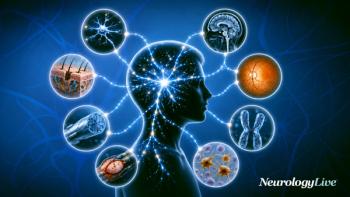
Epilepsy expert Susan Duberstein, MD, explores how multidisciplinary neurocutaneous clinics improve diagnosis, surveillance, care coordination, and long-term outcomes for patients with complex neurocutaneous syndromes.
A nonrandomized controlled trial found that an MCT program added to standard rehabilitation significantly improved MoCA scores and reduced anxiety and depression at 4 and 12 weeks compared with standard care alone.
Bevacizumab becomes approved in Japan for neurofibromatosis type 2 following phase 2 data that suggested potential effects on hearing preservation and tumor volume despite the study not meeting its primary efficacy end point.

First-time seizures were associated with more than a 5-fold increase in short-term cancer risk and persistent long-term risk in a nationwide cohort study of nearly 50,000 adults.
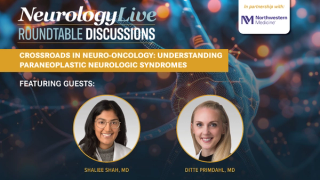
Since paraneoplastic neurologic syndromes remain underrecognized in oncology, experts recently discussed diagnostic challenges, treatment strategies, and the need for clinical vigilance.
A duo of neuro-oncologists from Northwestern Medicine discussed how paraneoplastic neurologic syndromes differ from other cancer-related neurologic complications, highlighting key diagnostic challenges.
Paraneoplastic Neurologic Syndromes Present Before Testicular Germ Cell Tumor Diagnosis, Study Shows
In a recent study of patients with testicular germ cell tumors, most exhibited paraneoplastic neurologic syndromes proceeding with their cancer diagnosis, often associated with specific neural autoantibodies.
AHN's neuro-oncology program aims to revolutionize brain and spine tumor care with innovative therapies, personalized treatment plans, and advanced research initiatives.

A newly presented study showed that patients with sarcopenia before starting chemotherapy had a greater likelihood of developing moderate to severe peripheral neurotoxicity.

A duo of experts from Weill Cornell Medicine talked about the advancements made in diffuse midline gliomas research and clinical trials that may offer new hope for improving its historically poor prognosis.

The kinase inhibitor was approved for patients with neurofibromatosis type 1 (NF1) who have symptomatic plexiform neurofibromas (PN) not amenable to complete resection.

Michael McDermott, MD, chief medical executive at Baptist Health Miami Neuroscience Institute, gave greater insights on the institute’s annual symposium, which offers attendees updates in cutting-edge imaging, surgical techniques, and neurocognitive research.

Michelle Bravo, MD, an assistant professor of clinical neurology at the University of Miami, provided commentary on a rare case report of a subdural hematoma linked to spontaneous intracranial hypotension caused by a refractory CSF leak.
Tanya, a patient who lost her mobility due to undiagnosed spinal issues, discussed her life-saving surgery for spinal meningioma, and the complex surgical process she underwent to regain her strength.

Jim Cassidy, MD, PhD, chief medical officer at SpringWorks Therapeutics, talked about how the prioritization of mirdametinib, a promising treatment for both adult and pediatric patients with neurofibromatosis type 1-associated plexiform neurofibromas.
Mirdametinib, a treatment in development for adult and pediatric patients with neurofibromatosis type 1-associated plexiform neurofibromas, was granted a PDUFA target action date of February 28, 2025.

For up to 24 months, patients on mirdametinib demonstrated significant improvements in pain severity, pain interference, and health-related quality of life, in addition to deep and durable plexiform neurofibroma volume reductions.
Glioblastoma, a highly aggressive brain cancer, presents substantial treatment challenges necessitating innovative therapies and interdisciplinary research to improve patient outcomes.
The neurologist and neuro-oncologist at the Preston Robert Tisch Brain Tumor Center at Duke University provided clarity on a new analysis of the INDIGO study highlighting treatment benefits of vorasidenib in patients with IDH mutant grade 2 gliomas.
The neurosurgeon at Allegheny Health Network provided perspective on how GammaTile therapy is revolutionizing neurosurgery and post-operative processes of brain tumors.

Participants in the pilot study saw improvements in short-term memory, attention, and executive functioning.
Advertisement
Advertisement
Trending on NeurologyLive - Clinical Neurology News and Neurology Expert Insights
1
ELEVIDYS Shows Sustained Functional Differences vs External Controls in Older Ambulatory Duchenne Patients
2
The Untapped Promise of Genetics in Multiple Sclerosis
3
Individualizing Advanced Therapies in Parkinson Disease: Hubert Fernandez, MD
4
Where Sleep Medicine Is Heading After SLEEP 2026: Anita Shelgikar, MD, MHPE
5