

Opinion|Videos|November 13, 2026
Barth Syndrome at Every Age: What to Expect
Author(s)Hilary Vernon, MD, PhD , Majid Husain, MD
Dr. Husain outlines the disease course from infancy (cardiomegaly, dilated ventricles, feeding failure, and risk of cardiogenic shock) through a “honeymoon period” of ages 5-25 marked by ongoing neutropenia, growth delay, and frequent specialist visits, to long-term mortality driven mainly by heart failure (~50%), sepsis (~20%), and arrhythmia (~20%), while Dr. Vernon notes that later-diagnosed patients often present with neutropenia but no obvious early cardiomyopathy, pointing to underdiagnosis of milder phenotypes.
Advertisement
Episodes in this series
Dr. Husain traces the clinical trajectory from infancy through adulthood: neonates present with cardiomegaly, dilated ventricles, feeding failure, and risk of cardiogenic shock; the "honeymoon period" (ages 5-25) still carries neutropenia burden, growth delay, and up to 8 specialist visits per year; and long-term outcomes show ~50% cardiac mortality from heart failure, ~20% from sepsis, ~20% from arrhythmia. Dr. Vernon highlights that patients diagnosed later often had neutropenia-driven presentations without obvious early cardiomyopathy, underscoring underdiagnosis of milder phenotypes.
Advertisement
Related to this article
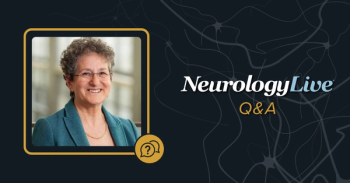
Laurie Gutmann, MD, chair of the Department of Neurology at Indiana University School of Medicine, discusses one-year pooled ACHIEVE data for z-basivarsen (DYNE-101), an investigational antisense oligonucleotide, in myotonic dystrophy type 1 (DM1).
Mind Moments®, a podcast from NeurologyLive®, brings you an exclusive interview with James F. Sumowski, PhD. [LISTEN TIME: 21 minutes]

Robert Bermel, MD, discusses advances in disease-modifying therapies, the challenges of monitoring MS progression, and emerging biomarkers and treatments that may address remaining unmet needs.
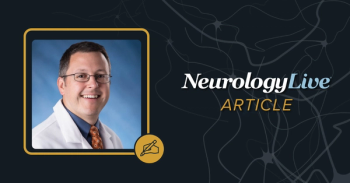
At a NeurologyLive Clinical Forum in Phoenix, Kevin J. Bielamowicz, MD, of Arkansas Children’s Hospital, discussed how a lack of adult neuro-oncology infrastructure is shaping how NF1-associated plexiform neurofibromas get recognized, referred, and treated.
The FDA granted fast track designation to FRP-003, an investigational oral botanical drug candidate for Long COVID, ahead of a planned phase 2 trial evaluating fatigue in approximately 220 adults.
GV101 receives FDA fast track designation for the treatment of Friedreich ataxia, with a phase 2 trial planned to begin enrollment in late 2026.

In honor of Veterans Day, Clayton Mucha, DO, neurorehabilitation physiatrist at Burke Rehabilitation in New York, discusses the lasting effects of traumatic brain injury in military personnel.
At a NeurologyLive Clinical Forum in New York, Mary Ann Piccone, MD, of Holy Name Medical Center, led a wide-ranging discussion among MS specialists on the limits of current high-efficacy therapies, the pipeline of emerging agents, and the gap between physician and patient treatment priorities.
Advertisement
Advertisement
Trending on NeurologyLive - Clinical Neurology News and Neurology Expert Insights
1
Phase 3 NIMBLE Trial: Cemdisiran Efficacy and Safety Results in gMG
2
FDA Grants Fast Track Status to FRP-003 for Long COVID Ahead of Phase 2 Study
3
Headlining Current Advances and Challenges in Multiple Sclerosis Care
4
Optimizing and Personalizing Treatment in Generalized Myasthenia Gravis
5