


MS and Demyelinating Disorders
Latest News
Advertisement
Video Series
Latest Videos




Shorts
1:08
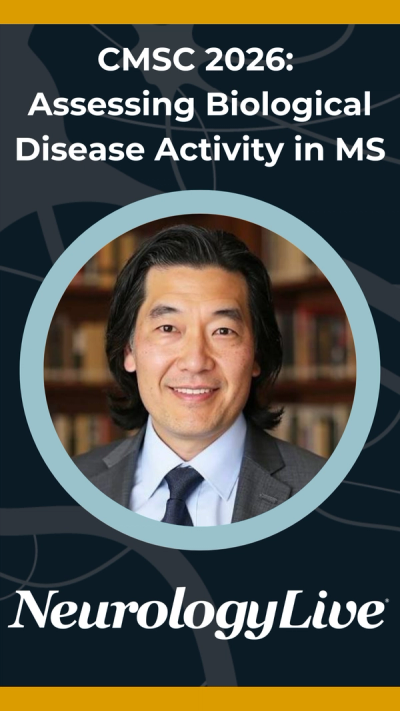
CMSC 2026: Assessing Biological Disease Activity in MS
2 months ago
by
Darin T. Okuda, MD, FAAN, FANA(+1 more)
0:53
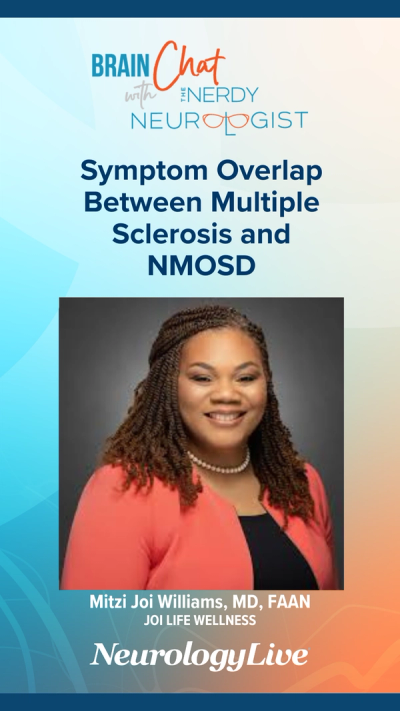
Symptom Overlap Between Multiple Sclerosis and NMOSD
3 months ago
by
Mitzi Joi Williams, MD
0:50
CMSC 2026: Questioning Targets in MS Treatment
3 months ago
by
Ahmed Obeidat, MD, PhD(+1 more)
1:15
CMSC 2026: Enhancing MS Clinical Trial Impact
3 months ago
by
Mark Freedman, MD, MSc, HBSc, CSPQ, FANA, FAAN, FRCPC(+1 more)
1:00
The 2024 MS Diagnostic Criteria: More Than a Definition Update
3 months ago
by
Daniel Ontaneda, MD, PhD(+1 more)
1:02
Diagnosis Is Not the Same as Treatment in Multiple Sclerosis
3 months ago
by
Daniel Ontaneda, MD, PhD(+1 more)
1:46
How Biomarkers Can Help Clarify the MS Diagnostic Gray Zone
3 months ago
by
Daniel Ontaneda, MD, PhD(+1 more)
0:56
Debunking Nerve Pain Myths
3 months ago
by
Mitzi Joi Williams, MD
0:50
Adapting Exercise for Neurologic Conditions
3 months ago
by
Mitzi Joi Williams, MD
0:32
Addressing an Overlooked Gap in MS Clinical Trials
4 months ago
by
Louie Pasculli(+1 more)
Podcasts

CME Content






Advertisement
More News
Real-world data from a London MS pregnancy clinic showed persistent B-cell depletion and favorable postpartum disease outcomes in women who discontinued ofatumumab upon confirmed pregnancy.

Here's some of what is coming soon to NeurologyLive® this week.

John Corboy, MD, professor of neurology at the University of Colorado, discussed recent findings focused on disease-modifying therapy discontinuation in older, stable patients with multiple sclerosis.

Actress Jamie Lynn Sigler discussed how patient education, treatment adherence, and self-advocacy have shaped her approach to living with multiple sclerosis at the 2026 CMSC Annual Meeting.

Mind Moments®, a podcast from NeurologyLive®, brings you an exclusive interview with neuro-oncologist Na Tosha Gatson, MD, PhD, FAAN. [LISTEN TIME: 20 minutes]
Carrie Hersh, DO, MSc, FAAN, president of the Consortium of Multiple Sclerosis Centers, discussed key sessions presented on disability progression, emerging biomarkers, and the shift toward comprehensive, patient-centered MS care.
Ahmed Obeidat, MD, PhD, associate professor of neurology at the Medical College of Wisconsin, talked about the need to rethink multiple sclerosis clinical trial design by recognizing immune cells’ potential neuroprotective roles.
Mark Freedman, MD, MSc, HBSc, CSPQ, FANA, FAAN, FRCPC, director of the multiple sclerosis research unit at Ottawa Hospital, outlined how research-integrated multiple sclerosis care can refine treatment strategies in clinical practice.
At CMSC 2026, the assistant professor of neurology at NYU Grossman School of Medicine talked about how optical coherence tomography contributes to the updated 2024 McDonald criteria for multiple sclerosis. [WATCH TIME: 4 minutes]
Here's some of what is coming soon to NeurologyLive® this week.

Ahead of World Brain Day, NeurologyLive explores 5 emerging strategies for preventing neurologic disease, from modifiable dementia risk factors to GLP-1 drugs, sleep science, the gut brain axis, and wearable technology.
Here's some of what is coming soon to NeurologyLive® this week.
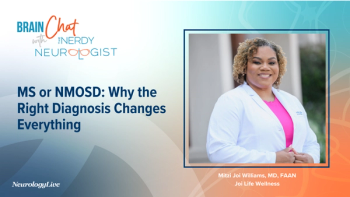
Mitzi Joi Williams, MD, is joined by Jacquelyn McEwen, MD, and Jacqueline Rosenthal, MD, to discuss the latest updates to MS diagnostic criteria and their impact on diagnosing MS and NMOSD.
A cross-sectional survey of 4181 NARCOMS Registry participants found that only 7.4% had ever used semaglutide or tirzepatide, despite 40% meeting FDA-approved indications for the drugs.
Here's some of what is coming soon to NeurologyLive® this week.
An Oxford study found that current smokers with MOGAD had a 2.2-times higher annualized relapse rate than never smokers, whereas past smokers showed no elevated risk, supporting smoking cessation as a modifiable management target.
Take 5 minutes to catch up on NeurologyLive®'s highlights from the week ending July 10, 2026.
Mind Moments®, a podcast from NeurologyLive®, brings you an exclusive interview with Daniel Ontaneda, MD, PhD. [LISTEN TIME: 20 minutes]

The first randomized, double-blind trial directly comparing the 2 anti-CD20 agents showed rituximab met the prespecified noninferiority criterion on MRI suppression, with a similar serious adverse event profile and a substantially lower cost.

Rethinking Clinical Trial Design and the Immune System in Multiple Sclerosis: Ahmed Obeidat, MD, PhD
At CMSC 2026, the associate professor of neurology at the Medical College of Wisconsin discussed the need to reconsider clinical trial paradigms by recognizing the role of immune cells in MS. [WATCH TIME: 6 minutes]

TG Therapeutics has indicated it plans to submit a supplemental BLA to the FDA in the second half of 2026, seeking approval for the consolidated initiation regimen of ublituximab-xiiy.
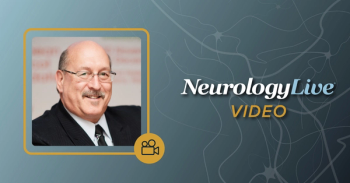
At CMSC 2026, the director of the multiple sclerosis research unit at Ottawa Hospital discussed how integrating clinical research into MS practice enhances clinician expertise. [WATCH TIME: 5 minutes]
Catch up on any of the neurology headlines you may have missed in June 2026, compiled into 1 place by the NeurologyLive® team.
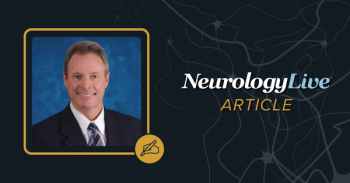
A 10-protein serum signature identified through longitudinal proteomics significantly stratified relapse risk in NMOSD patients, with the 2 strongest markers showing an association with relapse more than 8 months out on average.
Here's some of what is coming soon to NeurologyLive® this week.
Advertisement
Advertisement
Trending on NeurologyLive - Clinical Neurology News and Neurology Expert Insights
1
FDA Approves Tavapadon for the Treatment of Parkinson Disease
2
Phase 4 Study Evaluates Transition From IVIG to Subcutaneous Efgartigimod in CIDP
3
FDA Accepts Fenebrutinib NDA Under Priority Review for Relapsing and Primary Progressive MS
4
PETUNIA Study to Track Nipocalimab Use in Pregnancy
5