
A unique case highlighted the complex interplay between NMOSD and other autoimmune diseases, demonstrating the challenges in diagnosing and managing the condition.
A unique case highlighted the complex interplay between NMOSD and other autoimmune diseases, demonstrating the challenges in diagnosing and managing the condition.
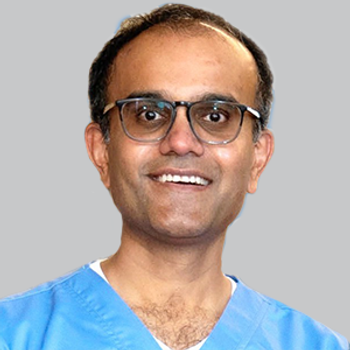
Neal K. Shah talked about an artificial intelligence innovation that can be used to fight denied health insurance claims, thus improving revenue cycle management for physicians' practices and the patient experience.
Take 5 minutes to catch up on NeurologyLive®'s highlights from the week ending January 31, 2024.
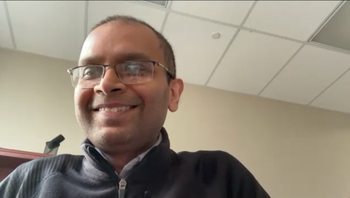
The medical director of the Arkansas Children’s Comprehensive Epilepsy Program detailed advancements and strategies in using neuromodulation for LGS, as well as the future research needed to expand these approaches. [WATCH TIME: 4 minutes]
Cognitive behavioral therapy for insomnia, a multicomponent psychotherapy, consists of sleep restriction, stimulus control, cognitive restructuring, relaxation training, and sleep hygiene.
Suzetrigine, a selective inhibitor of the NaV1.8 sodium channel, offers an alternative opioid treatment option for patients to treat moderate to severe pain without risk of addiction.
Recent results from a phase 2 trial of ATH434 revealed its potential in reducing brain iron accumulation and preserving motor function in early-stage multiple system atrophy.
Findings from previous phase 3 trial showed that treatment with AXS-07 resulted in significant reductions in headache pain freedom, migraine symptoms, and rescue medication use.
The initial cohort of the EPISOD1 trial demonstrated no significant safety concerns for AMT-162, enabling progression to the next dose-escalation phase.
A new study identified key clinical and ultrasound markers that improved the differentiation between 2 conditions with overlapping features.
The chief medical advisor at the Muscular Dystrophy Association shared key highlights of what attendees can expect at the 2025 MDA Clinical and Scientific Conference. [WATCH TIME: 4 minutes]
Significant improvements were observed in depression and patient satisfaction with fascia exercises compared to conventional physiotherapy.
The chief of neuroinfectious diseases and global neurology at Northwestern Medicine talked about a relatively new autoimmune condition, marked by mitochondrial dysfunction. [WATCH TIME: 2 minutes]
Explore some of the most highly anticipated clinical trials with data readouts expected in the second half of 2025—key updates that researchers and clinicians in neurology won’t want to miss.

The submission was based on promising data from a phase 3 and phase 2 study, where treatment with apitegromab led to significant improvements in motor function among patients with SMA on SMN-targeted treatments.
A duo of experts discussed the importance of addressing barriers such as provider comfort, access to genetic counselors, and insurance coverage to reduce diagnostic latency and standardize genetic testing for epilepsy. [WATCH TIME: 5 minutes]
The William S. and Lois Stiles Edgerly Professor of Neurology at Yale School of Medicine talked about refining multiple sclerosis in line with the updated diagnostic criteria. [WATCH TIME: 5 minutes]
The neurointensivist and assistant professor of neurology at Boston Medical Center gave insight on a 2024 paper establishing entrustable professional activities for neurocritical care advanced practice providers.
Early initiation of combined low‐dose rituximab therapy showed better improvements of chronic inflammatory demyelinating polyradiculoneuropathy in a short‐term than delayed initiation.
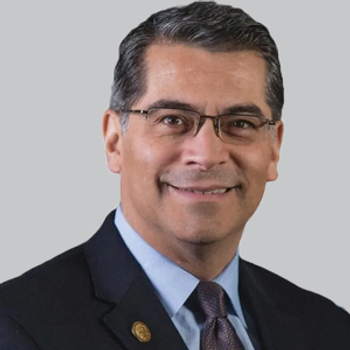
The U.S. HHS announced 15 drugs, including deutetrabenazine, will undergo Medicare Part D price negotiations to lower costs for seniors by 2027.
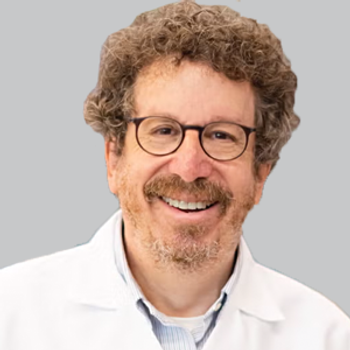
Neurologists Steven Lewis, MD, and Behrang Saminejad, MD, of Lehigh Valley Health Network, provided commentary on the ways to successfully implement focused ultrasound as a treatment for essential tremor and Parkinson disease.
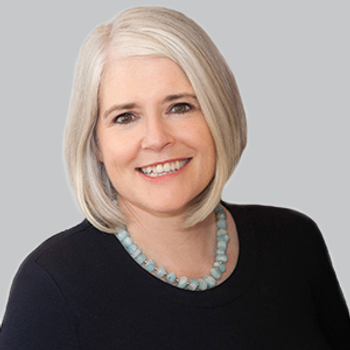
Previously, Argenx's efgartigimod alfa and hyaluronidase-qvfc was granted orphan drug designation for the treatment of chronic inflammatory demyelinating polyneuropathy in Japan.
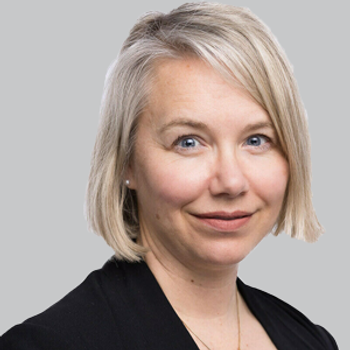
In the first such reported study, transcranial direct stimulation was shown to be superior over sham in improving pain intensity, headache frequency, and neck pain in patients with cervicogenic headaches.
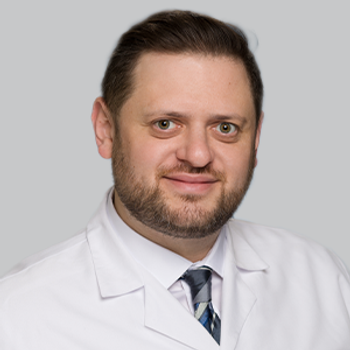
Igor Rybinnik, MD, associate professor in the division of stroke and neurocritical care in the department of neurology at Rutgers Robert Wood Johnson Medical School, talked about aspects of dizziness.
Adjusted models confirmed a consistent negative correlation between serum vitamin D and migraine prevalence, with statistical significance (P < 0.05) across all analyses.
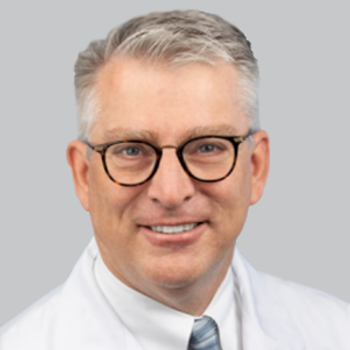
Crossover-treated patients demonstrated clinically meaningful and statistically significant improvements in functional outcomes despite being older at the time of treatment.
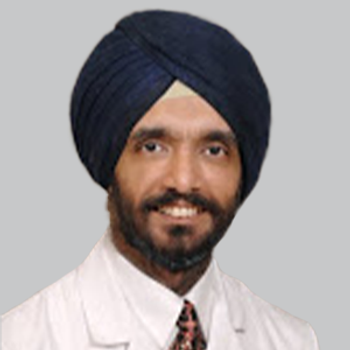
Kiranpal Singh Sangha, PharmD, clinical pharmacy specialist and adjunct assistant professor of pharmacy at The University of Cincinnati, talked about the vital role of clinical pharmacists in neurology, specifically in multiple sclerosis care.
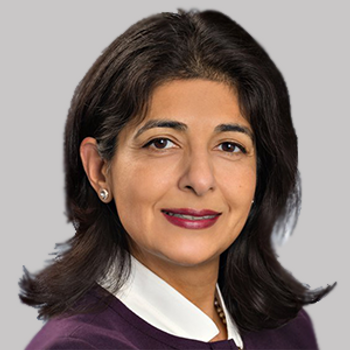
Treatment with foralumab, an anti-CD3 monoclonal antibody, led to the discovery of several biomarkers known to be associated with antigen presentation, interferon responses, and other regulatory immune mechanisms.
The medical director of the Arkansas Children’s Comprehensive Epilepsy Program discussed the complications associated with neurostimulation in patients with LGS and strategies to mitigate these issues. [WATCH TIME: 2 minutes]

Here's some of what is coming soon to NeurologyLive® this week.