

Neurology News Network for the week ending August 22th, 2026. [WATCH TIME: 6 minutes]
Neurology News Network for the week ending August 22th, 2026. [WATCH TIME: 6 minutes]

Take 5 minutes to catch up on NeurologyLive®'s highlights from the week ending August 21, 2026.
FDA has cleared C2N Diagnostics' PrecivityAD2 blood test for adults 40 years and older with cognitive symptoms, offering fast amyloid and tau insight to guide diagnosis and trials in Alzheimer disease.
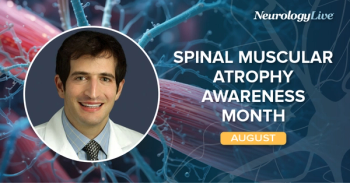
Nicholas Streicher, MD, MPH, an assistant professor of neurology at Georgetown University, discussed the training, handoff, and coding gaps that can leave adults with spinal muscular atrophy without follow-up care.

Mind Moments®, a podcast from NeurologyLive®, brings you an exclusive interview with Pezhman Roohani, MD. [LISTEN TIME: 17 minutes]

New prespecified MINT analysis found that inebilizumab reduced exacerbations and rescue therapy use compared with placebo in adults with AChR- or MuSK-positive generalized myasthenia gravis.

Full results from the phase 3 TEMPO-2 trial, published in Lancet Neurology, showed that flexible-dose tavapadon significantly improved motor symptoms and daily function in people with early Parkinson disease.

A recently published phase 2 trial showed that CBD/THC cannabis oil failed to ease chronic pain or nonmotor symptoms versus placebo among patients with Parkinson disease.

Kyle Marden, MD, sports neurologist and medical director of the Concussion and Sports Neurology Program at Northwestern Medicine, discusses emerging developments in concussion diagnosis and management, ongoing challenges in the field, and the future of individualized care.

A narrative review highlighted the limited pediatric-specific evidence supporting headache treatment after stroke and in cerebrovascular disorders, emphasizing consideration of vascular pathophysiology, cerebral perfusion, and collateral flow when selecting therapies.

David Stamler, MD, Chief Executive Officer of Alterity Therapeutics, discusses the FDA's alignment on the pivotal Phase 3 program for ATH434 in multiple system atrophy and what a successful trial could mean for a disease with no approved disease-modifying therapies.
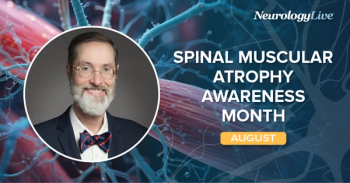
The chief of neurology at Nemours Children’s Health outlined the specialties that may be essential to comprehensive care for patients with spinal muscular atrophy. [WATCH TIME: 5 minutes]
Teva Pharmaceuticals' ecopipam receives priority review by the FDA, supported by studies showing sustained tic control among pediatric patients with Tourette syndrome.

The FDA granted Fast Track designation to Acadia Pharmaceuticals’ investigational remlifanserin for hallucinations and delusions associated with Alzheimer disease psychosis.

The cerebrovascular neurosurgeon at University Medical Center New Orleans discussed performing the first THUNDERBOLT stroke thrombectomy in the United States and what computer-assisted vacuum thrombectomy offers over traditional aspiration.
Alexandra Bonner, MD, a pediatric neuromuscular neurologist at Cleveland Clinic, discussed why real-time communication between specialists is the hardest part of multidisciplinary care for patients with spinal muscular atrophy.

Oak Hill Bio announced dosing of the first participant in BEACON, a pivotal phase 3 trial evaluating rugonersen, an antisense oligonucleotide originally developed by Roche, for Angelman syndrome.
Alexandra Bonner, MD, a pediatric neuromuscular neurologist at Cleveland Clinic, discussed which specialties are essential to a spinal muscular atrophy care team and why anticipating future needs has become central to the work.

A recently published case study highlights a 17-year-old patient with Duchenne muscular dystrophy who experienced acute and delayed cardiac toxic effects under delandistrogene moxeparvovec treatment, with tissue analyses showing low-level, heterogeneous microdystrophin expression.
Stacey Tarrant, RD, LDN, discusses how earlier treatment alongside disease-modifying therapies have changed nutritional priorities in spinal muscular atrophy, including the need to optimize growth, strength, function, and body composition.

The new data from ALKIVIA marks the first phase 3 study to show statistically significant, clinically meaningful improvement in immune-mediated necrotizing myopathy, a subtype with no approved therapy.

A phase 3 trial found that solriamfetol significantly improved wakefulness and reduced excessive daytime sleepiness in Chinese patients with obstructive sleep apnea, with a safety profile consistent with prior studies conducted in Western populations.
W. Bryan Burnette, MD, chief of neurology at Nemours Children’s Health in Jacksonville, Florida, discussed why access to adult subspecialty care has become one of the largest remaining challenges in spinal muscular atrophy.

Here's some of what is coming soon to NeurologyLive® this week.

A large claims-based cohort study found that two doses of the recombinant zoster vaccine reduced the risk of shingles by 64% to 81% in adults with multiple sclerosis, a population with elevated shingles risk and historically low vaccine uptake.
Test your neurology knowledge with NeurologyLive®'s weekly quiz series, featuring questions on a variety of clinical and historical neurology topics. This week's topic is acute ischemic stroke!

A large multicenter study found that APOE genotype and a polygenic Alzheimer risk score together predict up to a 10-year difference in disease onset among people carrying an extra copy of the APP gene, whether through an APP duplication or Down syndrome.

Neurology News Network for the week ending August 15th, 2026. [WATCH TIME: 4 minutes]

Experimental small molecule CN045 promoted oligodendrocyte maturation and modest remyelination in preclinical models of multiple sclerosis, supporting further development of the compound as a potential remyelination therapy.
Take 5 minutes to catch up on NeurologyLive®'s highlights from the week ending August 14, 2026.