Findings from the phase 3 METEOROID trial showed that satralizumab reduced the risk of relapse in patients with relapsing myelin oligodendrocyte glycoprotein antibody-associated disease.
Phase 3 DAWN data show daratumumab cuts NMOSD relapse risk 76%, stays well tolerated, and may improve disability, signaling a new targeted option.
Newly presented data from the pivotal DAWN trial (NCT05403138), an investigator-initiated phase 3 study, highlighted the therapeutic effectiveness of daratumumab (Janssen), an investigational CD8-directed monoclonal antibody, as a potential treatment for neuromyelitis optica spectrum disorder (NMOSD).1
The promising data were presented as a late-breaker at the
DAWN was a double-blind, randomized, parallel-group, placebo-controlled trial based out of China where 135 patients with aquaporin-4 antibody-positive NMOSD received intravenous doses of daratumumab (n = 90) or placebo (n = 45) at 8 mg/kg for 2 weeks, followed by 4 mg/kg doses every 4 weeks after. Overall, treatment with the agent led to a 76% reduction in relapse risk, the primary end point, compared with prednisone (placebo), with a hazard ratio of 0.26. The study authors, which included Fu-Dong Shi, MD, PhD, and
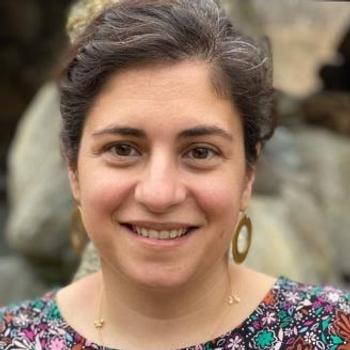
Levy, an associate professor of neurology at Massachusetts General Hospital, told NeurologyLive®, “It is important to note that we did not just see stabilization. Many patients actually showed improvement in neurological function compared with placebo, where relapses drove worsening. In other pivotal NMOSD trials, we have focused primarily on relapse prevention, so seeing measurable improvement in EDSS adds a very compelling layer to the clinical impact of this therapy.”
Daratumumab an-anti-CD38 monoclonal antibody, targets CD38-positive plasmablasts and plasma cells, the main producers of pathogenic antibodies. The therapy, which has been approved for multiple myeloma for several years, also depletes CD38-expressing natural killer cells, potentially reducing antibody-dependent cytotoxic injury to astrocytes. For more context, is has been also looked at in systemic autoimmune diseases such as lupus.
Shi, a professor of neurology at Beijing Tiantan Hospital, added that “CD38 is not only expressed on antibody generating cells but also on natural killer cells, which participate in antibody dependent cytotoxicity. By targeting both of these populations, this approach may reduce antibody production while also limiting immune mediated damage to astrocytes, which is central to the disease process in NMOSD, and that combined effect could provide meaningful benefit for patients.”
According the study authors, the treatment was well tolerated, with mostly minor injection related reactions as adverse events (AEs). Overall, there were no major safety signals highlighted in the phase 3 findings.
READ MORE:
DAWN enrolled adults aged 18 years or older with a confirmed diagnosis of neuromyelitis optica or NMOSD who were seropositive for anti–aquaporin-4 antibodies. Eligible participants had active disease, defined by at least 1 relapse in the prior 12 months or 2 relapses in the past 24 months, including at least 1 event within the year before screening. Disability levels were capped at an Expanded Disability Status Scale score of 7.5 or lower, and all patients provided written informed consent.2
Key exclusions included recent use of high-dose intravenous steroids, IVIG, or plasma exchange within 3 weeks, as well as recent exposure to several biologics or oral immunosuppressants. Patients previously treated with rituximab or inebilizumab within 6 months were excluded, as were those with active or chronic infections, prior radiation or stem cell transplantation, pregnancy or breastfeeding, active malignancy, or participation in other NMOSD trials.
There are currently no other ongoing trials looking at daratumumab in NMOSD, but Shi and Levy were excited about the outlook of the drug in this patient population. “Currently, all the drugs that we’re using for NMO that are approved and off label are for life,” Levy said.
“We want to try to provide therapies that patients can come off of one day, maybe one and done type CAR T cell therapy, maybe other toleration therapies that patients can eventually discontinue from and not have to worry about relapses and long term toxicity. So, I think scientifically, we’re following the science, and then business wise and patent issues, those follow afterwards.”