Phase 3 ARISE trial results show solengepras 150 mg significantly reduced OFF time and improved motor and non-motor symptoms in Parkinson disease.
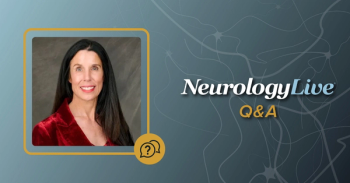
Ava L. Liberman, MD, assistant professor of clinical neurology at Weill Cornell Medicine, shared key takeaways from stroke data presented at the 2026 International Stroke Conference.
At the recently concluded
In addition to presented thrombolysis data, ISC 2026 presentations highlighted other late-breaking results that could shape clinical discussions in stroke neurology. Subgroup analyses from the
To provide further perspective on some of the most noteworthy stroke research at ISC 2026, NeurologyLive® spoke with neurologist
Ava L. Liberman, MD: One major highlight is the results of the OCEANIC-STROKE study (NCT05686070), which is basically a new agent for secondary stroke prevention that’s novel and currently also being studied in the phase 3 LIBREXIA-STROKE trial (NCT05702034). Those were great study results, and one that I was surprised by as well. I wasn’t really sure it would work, so that was exciting to hear.
Then some of the Chinese trials about extended time windows to evaluate patients for tenecteplase using just computed tomography perfusion were not surprising, but they were helpful and in keeping with some of the new guideline recommendations that I thought were a bit ambitious given the existing data. But after ISC, I feel a little bit more confident about that extended treatment window for thrombolysis in patients who do not have a large vessel occlusion.
Those are 2 really key highlights: one, new secondary stroke prevention, and two, a little bit more data in that extended window space without large vessel occlusion (LVO). Those were great, and those were the main presentations.
I’m excited to see how smaller hospital centers incorporate the new guidelines with regard to treatment in the extended window, with CT perfusion being a way to identify patients with penumbra who may benefit from thrombolysis, particularly in the wake-up stroke population as well. Currently, at our center, we primarily use MRI to identify those patients, but that doesn’t work for some of our smaller spoke sites. I’m curious to see how that’s going to change acute stroke care in those settings, and then who gets transferred to us clinically. I think that’s a big change that the American Heart Association went with. I think that’ll be interesting to see over the next couple of years.
I didn’t mention this earlier, but the Spanish trial looking at intra-arterial thrombolysis after thrombectomy for patients with LVO was a great study. The CHOICE2 trial results could be implemented in practice soon, and I’m curious to see how that works in clinical practice as well.
I think those 2 things, in terms of practice-changing data, will be interesting to see in the weeks and months ahead. It’ll take a while, I think, for OCEANIC to get their drug through the FDA and everything, but those other 2 will be impactful, I think, really soon. I’m excited to see how that affects stroke systems of care nationally.
For general neurologists who are seeing patients in clinic, it’s important to remember that TIAs and minor strokes are important to diagnose in a timely fashion. Even though a lot of the data we see focuses on large vessel occlusions, big strokes, thrombolysis candidates, thrombectomy candidates, most strokes nationally and internationally are small and minor strokes and TIAs.
Attending to those patients is important, particularly in the primary care setting or general neurology setting. Identifying potentially high-risk features for those patients, including large vessel disease—specifically extracranial disease—is important to help prevent another stroke going forward that may not be minor and may not be transient.
I think thinking about dual antiplatelet therapy for those patients shortly after symptom onset continues to be important nationally. So don’t forget the transient and minor stroke patients in those clinical settings, because that’s the majority of patients. There are fewer “exciting” things to do for them, but it’s still important to prevent stroke.
And then, of course, primary prevention. Primary prevention is important—something for all our patients to be reminded about. Recognizing acute neurological symptoms and seeking emergency care, and before that, blood pressure control, diet, and cholesterol management—those are all critical.
Transcript edited for clarity.