
Opinion|Videos|October 14, 2024
Dravet Syndrome and Caregiver Burdens
Author(s)M. Scott Perry, MD
Key Takeaways
- Caregivers manage frequent, severe seizures and complex treatment regimens, impacting their emotional and psychological well-being.
- Accessing appropriate healthcare resources and support systems poses significant challenges for caregivers.
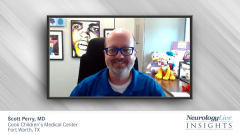
Scott Perry, MD, discusses how caregivers of patients with Dravet syndrome face significant challenges and emphasizes the importance of health care providers navigating sensitive conversations with empathy, clear communication, and comprehensive support to address caregivers’ concerns and needs.
Advertisement
Episodes in this series
Video content above is prompted by the following:
- What are the challenges associated with caregivers of patients with Dravet syndrome?
- How do you navigate challenging conversations with caregivers?
Advertisement
Related to this article
Here's some of what is coming soon to NeurologyLive® this week.

Take 5 minutes to catch up on NeurologyLive®'s highlights from the week ending November 6, 2026.
An epileptologist at Cleveland Clinic discussed findings from a recently published study of lifestyle interventions in epilepsy and why these approaches should complement rather than replace antiseizure medications.
Pediatric epilepsy care goes beyond seizures, addressing mental health, learning needs, coordinated referrals, equitable access, and smoother transition to adult services.
Here's some of what is coming soon to NeurologyLive® this week.
Mind Moments®, a podcast from NeurologyLive®, brings you an exclusive interview with James F. Sumowski, PhD. [LISTEN TIME: 21 minutes]
Robert Bermel, MD, discusses advances in disease-modifying therapies, the challenges of monitoring MS progression, and emerging biomarkers and treatments that may address remaining unmet needs.
At a NeurologyLive Clinical Forum in Phoenix, Kevin J. Bielamowicz, MD, of Arkansas Children’s Hospital, discussed how a lack of adult neuro-oncology infrastructure is shaping how NF1-associated plexiform neurofibromas get recognized, referred, and treated.
Advertisement
Advertisement
Trending on NeurologyLive - Clinical Neurology News and Neurology Expert Insights
1
Phase 3 NIMBLE Trial: Cemdisiran Efficacy and Safety Results in gMG
2
FDA Grants Fast Track Status to FRP-003 for Long COVID Ahead of Phase 2 Study
3
Headlining Current Advances and Challenges in Multiple Sclerosis Care
4
GV101 Gains FDA Fast Track Status for Friedreich Ataxia Ahead of Phase 2 Trial
5