Newly presented post hoc analyses examined diazepam nasal spray for status epilepticus in seizure clusters and intervals between clusters in children, alongside real-world data on rescue medication prescribing.
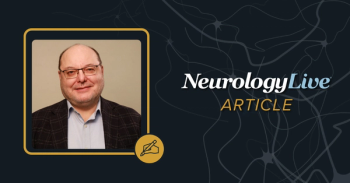
The director of the EEG/Epilepsy Unit in the Department of Clinical Neurosciences at Lausanne University Hospital in Switzerland discussed post-anoxic seizure management at 2025 AES Annual Meeting. [WATCH TIME: 3 minutes]
WATCH TIME: 3 minutes | Captions are auto-generated and may contain errors.
The
Among the speakers present was Andrea Rossetti, MD, FAES, director of the EEG/Epilepsy Unit in the Department of Clinical Neurosciences at Lausanne University Hospital in Switzerland. In addition to delivering a talk, Rossetti also served as chair of the AES workshop Critical Care EEG Monitoring Detects More Seizures, But Does It Improve Outcomes? The focus of this session was to summarize and critique the evidence correlating the burden of seizures and rhythmic and periodic EEG patterns to outcomes among critically ill neonates, children and adults while identifying gaps in knowledge and articulate strategies for further clinical investigation.
During the meeting, he delivered a separate presentation focused on post-resuscitation care and post-anoxic seizures following cardiac arrest. His talk, titled Neurocritical Care: Controversies in Post-Anoxic Seizures, explored the complexities of monitoring and treating seizures in comatose patients after cardiac arrest. Rossetti noted that routine EEG may be as informative as continuous EEG in certain settings, while emphasizing the importance of targeting treatment to patients most likely to benefit, and underscoring the need for improved prognostication tools and further research to guide therapy.
Rossetti, an associate professor at the Faculty of Biology and Medicine at the University of Lausanne, sat down with NeurologyLive® during the conference to discuss his presentation in greater detail. Throughout the discussion, he elaborated on its clinical relevance and reflected on how advances in prognostication have refined post-anoxic seizure management in recent years. Furthermore, he also outlined his optimism for the future of epilepsy care, highlighting continued clinical trials and long-term epilepsy care.
For more 2025 AES Conference coverage,