The associate vice president of clinical research at the Parkinson's Foundation discussed a large-scale replication of rs3115534-G, a noncoding GBA1 variant tied to Parkinson disease in people of African ancestry.

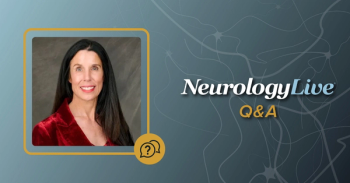
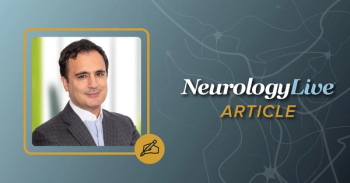
Elizabeth Gerard, MD, an epileptologist at Northwestern Medicine, provided clinical insights on a new consortium, GEAN, which aims to expand genetic testing and define adult phenotypes for rare genetic epilepsies across North America.
Genetic testing has become a routine part of epilepsy evaluation in many pediatric settings, but adult epilepsy clinics are still catching up to the pace of discovery and clinical adoption. This gap matters because many genetic epilepsies persist into adulthood, some present later than expected, and many adults with longstanding epilepsy were never evaluated with contemporary testing methods.
The topic of genetics was discussed at large during the recently concluded
In this Q&A, Gerard described how GEAN was formalized, as well as the team work needed to achieve some of the group’s short- and long-term goals. Gerard touched on the data sharing infrastructure needed, the practical barriers to implementing genetic testing in adult clinics, and the need to train adult providers in order to order and interpret tests while also supporting the full spectrum of patient and caregiver needs across adulthood.
Elizabeth Gerard, MD: GEAN stands for Genetic Epilepsy in Adults Network. It is a group of like minded clinicians, scientists, and translational scientists who take care of adult epilepsy patients and are particularly interested in improving recognition of genetic epilepsy in adults and improving care for genetic epilepsy in adults. We want to learn from this population.
We have gotten to know each other largely through AES. I think this idea started to form at an AES meeting around 2018, where we did one of the first special interest group sessions focused on adults with genetic epilepsy and diagnosing them. It was a bit of an out there idea at the time. A bunch of us got to know each other, and we have been growing our adult epilepsy genetics programs with mentorship from more senior members, working with each other, and now we have more junior members who have joined us.
We are a group of people who work well together and have been exchanging ideas informally for about six years. This year, after we started putting some research projects together, we submitted a proposal to formalize the network into a consortium, and we were fortunate to receive funding from the American Epilepsy Society.
It has been a really exciting year. We have had some in person meetings to formalize our ideas, our objectives, and the details of what we are doing. This year, we are building the infrastructure we need to do research together. We are making sure everyone has the right regulatory approvals and the right legal agreements across institutions so we can do productive collaborative research. That is the framework.
At the same time, we are already thinking about programs, grants, and studies we can do, and we have projects in the works to start characterizing this population. One long term goal is to recognize where the patients are. Genetic epilepsy is important, but there are so many genes that many of us may only have one or two patients with a specific gene at our center. We have much more power if we identify individuals across North America so we can actually study groups of adult patients.
One goal is to build databases we can work on together to understand the yield of genetic testing, to identify adults with genetic epilepsy, and to see how they are doing as adults. The second goal is to do cross sectional studies and, in the future, natural history and prospective studies in adults. We really do not know what it looks like to be an adult with a rare genetic disease. Many adults who join patient groups are told they are the oldest person in the group because the condition had not been recognized in adults before.
There is value for pediatric patients receiving the same diagnosis because adults can provide a window into the future. Sometimes families are told the outcome will be poor, but we know that is not always true because some of these patients are living and living well in adult clinics. At the same time, we are in an age of genetically informed therapies and clinical trials. If we understand what epilepsy and the genetic syndrome look like in an adult, we can better inform scientists, drug developers, and trial design.
We also want to understand medication response, and we are starting to think about engagement with adult patients and caregivers, and how to build long term funding and sustainability for the network.
The conversation is changing. When I started doing this, it was hard to convince colleagues that this added value and was worth doing. When you are not familiar with something, it is easy to create barriers. Many adult providers used to think that if there was something to diagnose, it would have been diagnosed when the person was a child. We know that is not true because techniques are advancing so fast. Also, while most genetic epilepsies start in childhood, some begin in adulthood.
There has been resistance that is changing, and one of our goals is education. We need to teach tools and also give experience. At my site, when we started a formal genetics program, we hosted a monthly conference where we discussed challenging cases and how we worked through them. We also did a show and tell for referring clinicians to explain what we learned about their patient and why it mattered. If you have never referred someone for genetic testing or ordered a test, it can feel intimidating, and many of us were not taught how to do this in adult neurology or epilepsy training.
Another barrier is infrastructure. Many adult centers do not have what is needed to do genetic testing well. We are lucky to have an excellent genetic counselor who helped build our program, and I have learned a lot from working with her. Some centers may not have access to a genetic counselor or a geneticist. Many programs have been built by epileptologists who are training themselves in what I call genetic literacy, but this is growing so rapidly that access needs to expand.
Costs have come down, but cost and access still matter. We want to work with other groups to make testing easier and more available.
I think there are two major things we need to teach better. The first is how to order and interpret genetic tests, ideally with the help of a genetic counselor, but sometimes that is not practical. There are clinicians who can order tests directly, and there are excellent resources out there, including one recently published by AES. One of the things we started doing for this meeting is collating those resources and putting them on our website so people can find them.
We need to teach the utility of genetic tests and when to use each test. Experience matters, including knowing which test to do first. The second educational priority is training adult providers to take care of patients with genetic epilepsies. If you have only seen a condition once, you may feel unfamiliar and conclude there is nothing more to do. We want to change that conversation for adults who are newly diagnosed and for patients transitioning from pediatric care.
This is a paradigm shift for adult epileptologists. We are often focused on seizure control, which is important, but for many patients with genetic epilepsies, including developmental and epileptic encephalopathies, care is about the whole patient, the family, caregiver support, and quality of life. That approach is more embedded in pediatric neurology training than adult training, and it is something we want to continue to build through GEAN.
One of the really amazing things is that there is a lot of education already happening at AES. I spoke at an advanced practice provider session on who to test and why to test, and I told the audience that my job would be done if they went to the next session, which focused on genetic testing and interpretation. Our hope is to keep exciting people about why this matters, because it is an amazing time that will hopefully lead to new treatments.
Transcript edited for clarity.