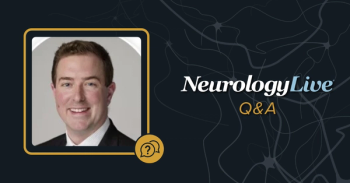
Timothy Ryan, MD, neurologist and EEG lab director at Raleigh Neurology Associates, discusses preconception counseling, antiseizure medication selection, contraception interactions, and dosing through pregnancy in women with epilepsy.
The phase 3 EPIC trial will evaluate whether a one-time transplant of inhibitory interneurons into the seizure focus can reduce seizures in adults with drug-resistant mesial temporal lobe epilepsy.
Welcome to NeurologyLive's Clinical Trial in Focus. Every month, an ongoing clinical trial in the landscape of neurology is featured, highlighting the design of the study, the targeted patient population, the enrollment criteria, the primary and secondary end points, and its potential implications for clinical care. This month's spotlight is the phase 3 EPIC trial (NCT05135091) assessing rezanecel (formerly NRTX-1001; UCB), an investigational allogeneic GABAergic interneuron cell therapy derived from human pluripotent stem cells, in adults with drug-resistant mesial temporal lobe epilepsy (MTLE).1-3
MTLE is the most common focal epilepsy, and one-third of patients have seizures that do not respond to medication.4 For these patients, the main options beyond additional ASMs are resective or ablative surgery, which removes or destroys brain tissue and can carry neurocognitive risk. Rezanecel is being developed as a one-time alternative to these tissue-destructive procedures.1,4 UCB completed its acquisition of the original developer, Neurona Therapeutics, in June 2026.2
Rezanecel consists of fully differentiated, cryopreserved GABAergic interneurons of the cortical medial ganglionic eminence (MGE) type. These cells are derived from human pluripotent stem cells and are not genetically modified.1,4 The MGE-derived cortical interneuron lineage helps regulate the excitability of cortical circuits and is a key target for new epilepsy therapeutics.1 The therapy is delivered by a one-time stereotactic, image-guided injection into the affected hippocampus. There, the grafted cells are intended to integrate into dysregulated circuits and restore inhibitory, GABA-mediated tone at the seizure focus.1,4,5
Because the cells are allogeneic, participants receive immunosuppression to support persistence of the graft. It starts before surgery and is discontinued 1 year after rezanecel administration.1,6 That requirement shapes EPIC’s design. The sham arm receives placebo immunosuppression to preserve blinding, and participants in that arm start active immunosuppression only if they cross over to rezanecel after unblinding.1,6
Being presented at the
The open-label phase 1/2 cohorts are registered under the same identifier (NCT05135091), with an estimated total enrollment of 88 across both portions. Phase 3 includes approximately 40 participants in the rezanecel arm and 20 in the sham arm. The study is recruiting at 36 sites in the United States. Primary completion is estimated for February 2029 and study completion, including long-term follow-up, for September 2043.3
After screening, which includes a 3-month historical baseline and a 10-week prospective seizure diary, participants are randomly assigned 2:1 to low-dose rezanecel or a sham procedure. The rezanecel arm receives active immunosuppression and the sham arm receives placebo.1,7 Immunosuppression starts approximately 1 week before the procedure.7 Participants are unblinded individually when they reach the 6-month primary end point, and those in the sham arm are then offered rezanecel.6,7 The registry describes 2 years of regular follow-up, then long-term follow-up for up to 15 years with decreasing contact frequency.3
The primary efficacy end point is the between-group difference in percent change in seizure frequency per 28 days from baseline to 4 to 6 months after the procedure.1 Specifically, the trial registry defines this measure as the difference in median percent change in diary-reported disabling seizures.3 These include focal aware seizures with objective signs, focal impaired awareness seizures, and focal to bilateral tonic-clonic seizures, but exclude auras without objective signs.7,8 Secondary end points include between-group differences in 50% and 75% responder rates, also assessed at 4 to 6 months.3 Additional assessments evaluate safety, EEG findings, neurocognitive function, and quality of life.1
Neurona said in 2025 that EPIC was designed, after discussions with the FDA under the drug’s Regenerative Medicine Advanced Therapy (RMAT) designation, as the primary basis for a future BLA.9 According to the AES 2026 abstract, EPIC is anticipated to begin enrolling patients in 2026. In its July 2026 half-year report, UCB said it plans to initiate the phase 3 study in the first half of 2027.1,10
Eligible participants are adults aged 18 to 75 years with focal seizures clinically defined as MTLE, unilateral or bilateral, with or without MTS, and a seizure focus in the hippocampus.1,3,7 The hippocampal focus is the target for administration and is central to the treatment’s rationale.
Eligible participants must have drug-resistant epilepsy, defined as seizures that remain uncontrolled despite adequate trials of at least 2 antiseizure medications (ASMs) at appropriate, tolerated doses. Participants must also be on stable doses of approved ASMs for at least 1 month to help distinguish the effects of the intervention from those of medication changes.7 Additionally, participants must average at least 2 disabling seizures per 28-day period during both the 3-month historical and 10-week prospective baseline periods, ensuring a sufficient seizure burden to detect a treatment effect on the primary end point.3,7
Exclusion criteria include seizure foci outside the hippocampus and epilepsy attributable to other medical conditions or progressive neurologic diseases, which could confound seizure outcomes. Patients who have previously undergone temporal lobe resection or laser interstitial thermal therapy are also excluded, as the intervention requires intact target tissue. Given the need for immunosuppression, patients with primary or secondary immunodeficiency are ineligible. Other exclusion criteria include a history of status epilepticus or psychogenic nonepileptic seizures within the past 3 years, as these could complicate the procedure or interfere with seizure frequency assessments.3,7
The registry also lists significant medical conditions, recent suicide attempts, severe psychiatric disorders, suspicious lesions on MRI, and pregnancy or breastfeeding as exclusions.3 Additional protocol-defined criteria may apply.
In preclinical work published in Cell Stem Cell, a single intrahippocampal dose of the interneurons in a mouse model of chronic MTLE produced consistent mesiotemporal seizure suppression, with most animals becoming seizure-free and surviving longer.4 The grafted cells dispersed locally, functionally integrated, and persisted long term. They also significantly reduced dentate granule cell dispersion, a pathological hallmark of MTLE. These effects were dose-dependent across a broad therapeutic range, and no adverse effects were observed.4
EPIC builds on 2 open-label, multicenter phase 1/2 studies: NTE001 in unilateral MTLE (NCT05135091) and NTE002 in bilateral MTLE (NCT06422923). Per the AES 2026 abstract, rezanecel was well tolerated in 31 adults, with no serious adverse events attributed to the cell therapy. These included 18 with unilateral MTLE with MTS at a low or high dose, 5 with unilateral MTLE without MTS at a low dose, and 8 with bilateral MTLE at a low dose.1 The investigators concluded that one-time low-dose administration showed potential for substantial and durable seizure reduction, supporting advancement to phase 3.1
Data from a March 2026 cutoff, presented at the 2026 AAN Annual Meeting, showed that patients with unilateral MTLE with MTS in the low-dose cohort (n = 9) achieved an 89% median reduction in disabling seizures during months 7 to 12, with 7 of 9 participants achieving at least a 50% reduction. The 89% median reduction was sustained beyond month 13, with the number of responders increasing to 8 of 9. In comparison, the high-dose cohort (n = 9) achieved a 58% median reduction during months 7 to 12, with 7 of 9 participants meeting responder criteria.8 Based on the greater median reduction observed with the low dose, this dose was selected for the EPIC trial.7,8 At the time of the data cutoff, 15 participants had been followed for more than 18 months.8
Also at AAN 2026, Peter C. Warnke, MD, at neurosurgeon at UChicago Medicine, presented an update from NTE002, which is evaluating bilateral intrahippocampal administration in adults with bilateral drug-resistant MTLE. Its primary end point is 1-year safety, with seizure frequency during months 7 to 12 as a secondary end point.8,11 The first patient treated achieved seizure freedom and remained seizure-free at 6 months, at the time of abstract submission.11 Across 4 participants with interim data, the median reduction in disabling seizures at months 4 to 6 was 64%, with 2 of 4 responders.8
Most immunosuppression-related adverse events were mild to moderate and resolved in 14 of 15 participants who completed the regimen per protocol. No substantial group declines were seen in word retrieval, verbal memory, or visuospatial memory.8 These data come from small, open-label cohorts without a control arm and should be considered preliminary. EPIC’s sham-controlled design is meant to test whether they hold up.
Rezanecel received RMAT designation from the FDA in June 2024 and Priority Medicines (PRIME) designation from the European Medicines Agency in October 2025.1 “Collectively, these results point to the potential of rezanecel to deliver long-lasting, clinically meaningful benefits,” Eduardo Dunayevich, MD, chief medical officer of Neurona, said in a statement.8