The professor of neurology at UT Southwestern Medical Center discussed emerging trials, proposed changes to myelitis diagnostic criteria and nomenclature, and the unmet needs raised by patients at this year’s symposium.
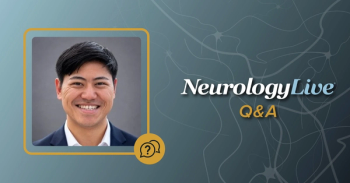
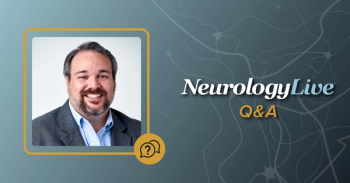
Timothy Ryan, MD, neurologist and EEG lab director at Raleigh Neurology Associates, discusses preconception counseling, antiseizure medication selection, contraception interactions, and dosing through pregnancy in women with epilepsy.
Each November, Epilepsy Awareness Month brings renewed attention to the unique challenges faced by people living with epilepsy, including women of childbearing age. For this group, treatment decisions extend beyond seizure control to the potential effects of antiseizure medications (ASMs) on fetal and child development, interactions with hormonal contraception, and the pharmacologic changes that come with pregnancy. These considerations often call for conversations well before a pregnancy is planned.
Choosing the right regimen can be particularly complicated when seizure types are difficult to control on safer options, since valproate carries a well-established teratogenic risk. Some enzyme-inducing ASMs can reduce the effectiveness of hormonal contraception, while estrogen-containing contraceptives can lower levels of medications such as lamotrigine, and serum drug levels may shift throughout pregnancy and the postpartum period. Evidence on the safety of newer ASMs in pregnancy and breastfeeding also remains limited.
To mark the month, NeurologyLive® spoke with Timothy Ryan, MD, a neurologist and EEG lab director at Raleigh Neurology Associates, about how he approaches care for these patients. Ryan answered questions on what clinicians should keep in mind, when preconception counseling should begin, how he approaches medication choice and contraception, how he monitors dosing during and after pregnancy, and the research gaps he hopes will be filled.
Timothy Ryan, MD: I encourage that neurologists have a discussion about folic acid supplementation, the potential interactions between anti seizure medications (ASM) and hormonal birth control and the potential risk of anti seizure medications on fetal/child development. They should also make it clear to women with epilepsy that pregnancy is not contraindicated since a lot of misinformation still floats around.
Discussions should start at the first visit that a women of childbearing age is started on an anti seizure medication. Given that many pregnancies are unplanned, I recommend folic acid supplementation 1-2 mg daily even if a patient is not undergoing active family planning. I also remind them to let me know if they become or are planning on becoming pregnant so we can have a dedicated visit about seizure medication risks and how we will monitor the pregnancy.
I start the discussion highlighting that no pregnancy is perfect when it comes to risk. However, we know monotherapy with levetiracetam, lamotrigine, or oxcarbazepine has less risk for fetal and child development per the MONEAD study. Unfortunately, not everyone can be switched to those seizure medications or narrowed to one medication so I counsel about what we know about the risk for an individual, make sure they are established with maternal fetal medicine, and make a shared decision about how to proceed.
Hormonal contraception can be affected by enzyme-inducing medications and estrogen-containing hormonal contraception accelerate break down of lamotrigine and valproate. If a patient has to remain on a medication with these interactions, I discuss with the patient and their OB/GYN about considering an IUD or non hormonal forms of birth control.
We get levels of patients seizure medications prior to or at the beginning of pregnancy and then check them every 4-6 weeks during pregnancy while increasing the dosage as needed to keep a constant serum level. After delivery we start to decrease medications back to pre pregnancy dosing based off patient symptoms and seizures but may keep medication dosage a bit higher in the early months when sleep deprivation is high.
The development of more evidence on newer ASM’s safety in pregnancy and breastfeeding and their effects on fetal and child development. Additionally, the value of using extended duration EEG such as the REMI device and ultra long term EEG to help monitor for seizure burden and optimize medication dosage during pregnancy.