Neurologists are highly trained medical professionals who play a critical role in the healthcare system in helping patients of all ages manage their conditions that can affect every aspect of their lives. Each month, NeurologyLive® shines a spotlight on the work of one neurologist, highlighting contributions to their specific field.
Dravet syndrome (DS), formerly known as severe myoclonic epilepsy in infancy, is an epileptic encephalopathy that manifests with prolonged seizures in the first year of life. These seizures are often triggered by fever or illness and are initially mistaken for febrile seizures. Prior studies have shown that accurate diagnosis and follow-up are typically delayed, as early EEGs are normal and neuroimaging has showed no structural abnormalities.
Although early development in patients with DS appears normal, signs of regression typically emerge in the second year of life, accompanied by convulsive status epilepticus, alternating hemiconvulsions, and myoclonic seizures. Research shows that genetic testing can confirm the diagnosis by identifying mutations in the SCN1A gene. Additionally, early recognition and appropriate management with specific anticonvulsants as well as a tailored treatment plan for patients with DS can reduce their seizure frequency and overall improve long-term developmental outcomes.
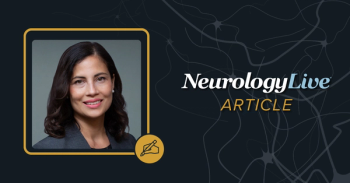
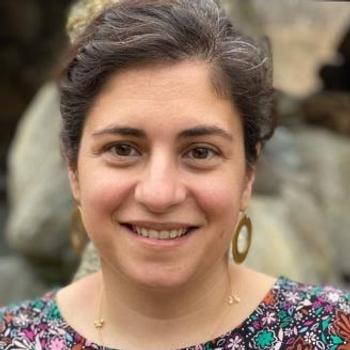
In honor of Dravet Syndrome Awareness Month and Dravet Syndrome Awareness Day, Danielle Andrade, MD, MSc, FRCPC, professor of medicine, director of the Adult Genetic Epilepsy Program and medical director of the Epilepsy Program at the University of Toronto, had a conversation with NeurologyLive to discuss how she balances her responsibilities between patient care, teaching, and research. She also talked about the advancements in genetic research that have had the most significant impact on your practice. Furthermore, Andrade described a case where precision therapy significantly improved a patient's quality of life.
Clinical Facts About Dravet Syndrome
- Studies report that 1 in 20,000 to 1 in 40,000 patients have DS and 3% to 8% of children who had their first seizure by 12 months old may have Dravet.
- Seizures that last more than 10 minutes, seizures that occur on one side of the body, and ones triggered by a warm water bath in children under 12 months old are signs of a DS diagnosis.
- The most common gene mutation linked to Dravet is in a gene called SCN1A. When this gene isn’t working properly, it causes the sodium channels in the brain to not work correctly.
REFERENCES
1. Dravet Syndrome. Epilepsy Foundation. Accessed June 21, 2024. https://www.epilepsy.com/what-is-epilepsy/syndromes/dravet-syndrome
NeurologyLive: What are some of the main responsibilities you have in your role as a neurologist?
As a neurologist focused on adults with genetic epilepsies, one of my main concerns is seizure control. We always strive to obtain the best seizure control with the minimal or no adverse effects of treatment. That can sometimes be very difficult, especially in patients with developmental and epileptic encephalopathies, which are often drug-resistant. In addition to exploring the frequency and severity of seizures, we want to understand their possible triggers as well as overall quality of life.
Could you describe a typical day in your work as a neurologist?
One of my clinical responsibilities is with outpatients that I see in our Adult Genetic Epilepsy (AGE) clinic. Usually, there are fellows or residents who are learning how to become the best neurologist/epileptologist possible. So, in addition to the care we deliver to patients, I am always teaching someone. I also care for patients admitted to the Epilepsy Monitoring Unit, where they have video-EEG for 24 hours per day, several days in a row. So, part of my clinical work is to report continuous video-EEG, teaching fellows, and residents along the way.
We also do clinical research, so all that patients say, the symptoms they present and their response to treatment needs to be precisely documented, such that we can learn from each patient in a way that we can eventually help more people with genetic epilepsies. When you have a very specialized clinic, you always have many scientific questions, that if answered would improve patients' health. So, part of my work is dedicated to research, including writing grants, working with graduate students, research personnel, and writing up scientific papers. There is also the administrative part of working in a large university hospital.