
Subgroup analyses support PrimeC’s potential in ALS treatment, aiming to inform upcoming trials for efficacy.

Marco Meglio, Assistant Managing Editor for NeurologyLive, has been with the team since October 2019. Follow him on Twitter @marcomeglio1 or email him at mmeglio@neurologylive.com
Subgroup analyses support PrimeC’s potential in ALS treatment, aiming to inform upcoming trials for efficacy.
As the company gains more information about the patient death, dosing in the other phase 3 trial, CIFFREO, has been paused until further notice.

The associate director, Patient Reported Outcomes, Johnson & Johnson, provided clarity on a poster presentation from AAN 2024 examining the most critical aspects to CIDP disease severity.

STS101 demonstrated mild and predictable adverse events, suggesting potential efficacy at 5.2 mg dose for migraines.
The FDA AdComm will deliberate over the phase 3 TRAILBLAZER-ALZ 2 trial, a large-scale study that assessed the efficacy and safety of donanemab in patients with early-stage Alzheimer disease over an 18-month period.
The phase 1 open-label, dose-escalation study will include 9 participants with mild-to-moderate Alzheimer disease whose treatment is not addressed adequately by available therapy.

Regarding new-onset seizures in the general population, there was no statistically significant difference in risk of seizure incidence among vaccinated individuals vs placebo recipients, according to the meta-analysis.
Test your neurology knowledge with NeurologyLive®'s weekly quiz series, featuring questions on a variety of clinical and historical neurology topics. This week's topic is on treatment-refractory epilepsy.
ASPIRO, an open-label trial, will assess the safety and tolerability of ANPD001, an investigational autologous neuronal replacement therapy being studied as a regenerative therapy for PD.
The associate chair for technology and innovation at the NYU Grossman School of Medicine provided commentary on a study from AAN 2024 that examined the driving factors behind burnout in neurology departments. [WATCH TIME: 4 minutes]
Mind Moments®, a podcast from NeurologyLive®, brings you an interview with Justin Klee and Josh Cohen. [LISTEN TIME: 19 minutes]

Tanisha Hill-Jarrett, PhD, an assistant professor of neurology at the University of California, San Francisco Memory and Aging Center, discussed the change needed to improve cognitive decline rates in Black women in disadvantaged neighborhoods.

Phase 2 biomarker trial participants who completed 156 weeks of treatment were offered enrollment into another 52-week extension to continue to observe safety, assessments of plasma biomarkers, and cognitive effects, among others.
Mind Moments®, a podcast from NeurologyLive®, brings you an exclusive interview with Michael Rogawski, MD, PhD. [LISTEN TIME: 12 minutes]

In the phase 3 OCARINA 2 trial, subcutaneous ocrelizumab was non-inferior to intravenous infusion based on concentration levels in the blood, as well as comparable efficacy on relapses and brain lesions.
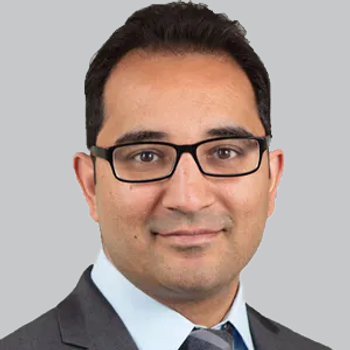
The FDA approval of Medtronic’s spinal cord stimulator makes it the first on the market to offer a closed-loop feature that senses biological signals along the spinal cord and automatically adjusts stimulation in real time for chronic pain.
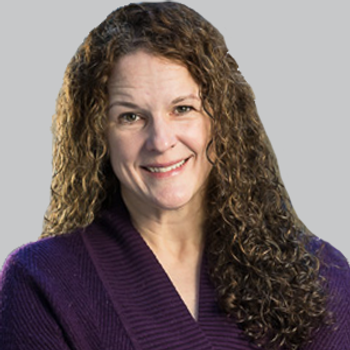
In comparison to previously approved treatments like satralizumab and inebilizumab, ravulizumab-treated patients performed significant better on outcomes of first relapse and time to first relapse.

Ravulizumab reduced NfL levels in cerebrospinal fluid and serum whereas eculizumab showed no change in NfL when compared with placebo.
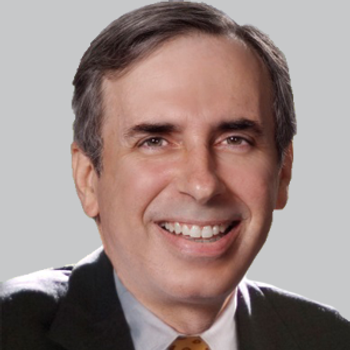
The professor of neurology and pharmacology at the University of California Davis Health Medical Center gave commentary on the FDA approval of Aquestive Therapeutics’ buccal film in pediatric patients with intermittent, stereotypic episodes of frequent seizure activity.
Test your neurology knowledge with NeurologyLive®'s weekly quiz series, featuring questions on a variety of clinical and historical neurology topics. This week's topic is on primary progressive aphasia.

Stephen Samples, MD, chair of Allegheny Health Network’s department of neurology, gave commentary towards the AHS’s recent statement paper addressing CGRP-targeting therapies as a first-line option for preventive migraine.
Satralizumab, an IL-6 receptor inhibitor, shows promise in reducing infection rates compared to historical data.
After 2 years of treatment, EDG-5506, otherwise known as sevasemten, was well-tolerated, with rapid and sustained decreases in biomarkers of muscle damage.
The head of neurosciences at the Jane and John Justin Neurosciences Center of Cook Children’s Medical Center provided commentary on the need to properly diagnose Lennox-Gastaut syndrome and the negative downstream impacts of misdiagnosis or underdiagnosing patients.

Lauren Seidman, a second-year medical student at NYU Langone’s Grossman School of Medicine, provided perspective on a poster at AAN 2024 highlighting the use of binocular visual function testing in Alzheimer disease.

Between those with NMOSD and NAION, the data showed differences in disc edema, peripapillary nerve fiber layer thickening, vision loss, and the symptoms that preceded vision loss.
Using the Wechsler Adult Intelligence Scale Fourth Edition (WAIS-IV) Coding Test score, SAGE-718 failed to distinguish itself from placebo.
Foralumab's anti-CD3 mechanism modulates T cell function, offering potential benefits for the challenging-to-treat na-SPMS patients.
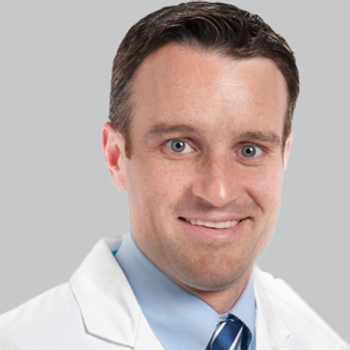
Mark Bain, MD, a neurosurgeon at Cleveland Clinic’s Cerebrovascular Center, provided commentary on the ENRICH trial, a positive study of minimally invasive removal of intracerebral hemorrhage.
Test your neurology knowledge with NeurologyLive®'s weekly quiz series, featuring questions on a variety of clinical and historical neurology topics. This week's topic is on the sleep disorders.