


Neuromuscular
Latest News


Expanding the Clinical Care of Friedreich Ataxia Through Omaveloxlone and SKYCLARYS PASS Registry
By Marco Meglio
Advertisement
Latest Videos





CME Content










Advertisement
More News

Novartis plans to present OAV101 IT data at a 2025 medical meeting and share results with regulatory agencies, including the FDA, to support approval for patients with SMA in need.

Capricor may qualify for a priority review voucher from the FDA if deramiocel receives marketing approval for the treatment of Duchenne muscular dystrophy.
As part of NeurologyLive®'s Year in Review, we've compiled the most-listened episodes of our biweekly podcast, Mind Moments®.
As part of NeurologyLive®'s Year in Review, we've compiled the most-watched interview clips that appeared on the website in 2024.
As part of NeurologyLive®'s Year in Review, take a look at our most-read news in neuromuscular disorders in 2024.

Mind Moments®, a podcast from NeurologyLive®, brings you a review of 2024, with insights from Daniel Ontaneda, MD, PhD; Ian Kremer; Andy Berkowski, MD, PhD; Sameea Husain-Wilson, DO; Jonathan Parker, MD, PhD; and Lawrence Robinson, MD. [LISTEN TIME: 25 minutes]
As part of NeurologyLive®'s Year in Review, we've compiled the top coverage stories from 2024 across a variety of different neurological conferences the team either attended or covered virtually.
As part of NeurologyLive®'s Year in Review, we've compiled the most-read feature-length stories that appeared on the website in 2024.

The complement system is critical in immune defense and tissue homeostasis, but its dysregulation can contribute to autoimmune neurological disorders and neurodegenerative diseases like Alzheimer, ALS, and multiple sclerosis.

PTC Formally Submits NDA for Vatiquinone as Treatment for Adults and Children With Friedreich Ataxia
Vatiquinone, a small molecule inhibitor, demonstrated its efficacy and safety across a range of age groups with Friedreich ataxia, with effects seen on disease progression and specific subscales of the mFARS.

Human studies revealed thinner myelin sheaths in CD59-deficient patients, indicative of a process of segmental demyelination followed by remyelination.
FDA Places Hold on CONNECT2-EDO51, Sevasemten Meets End Point in Becker, Tolebrutinib Gets Breakthrough Therapy Designation
Published: | Updated:
Neurology News Network. for the week ending December 21, 2024. [WATCH TIME: 4 minutes]

Managing ALS, particularly its respiratory complications, requires a collaborative multidisciplinary team—including neurologists, pulmonologists, and respiratory therapists—working together to address the complexities of respiratory failure, the leading cause of death in these patients.

The program assembles a collaborative team of in-house and external experts in research, clinical care, and regulatory affairs to navigate gene therapy programs through the drug development process.

The proof-of-mechanism study will evaluate single doses of QRL-101 in approximately 12 patients with ALS, focusing on excitability biomarkers like the strength-duration time constant (SDTC), safety, tolerability, and plasma pharmacokinetics, with topline results expected in early 2025.

As of July 2024, 2 participants in the ongoing CONNECT1 study have received 4 doses of PGN-EDO51 at 10 mg/kg, which has been generally well tolerated, with initial results expected in early 2025.

The positive data, along with data from GRAND CANYON anticipated in early 2025, are thought to be part of a potential future authorization submission for sevasemten in Becker.
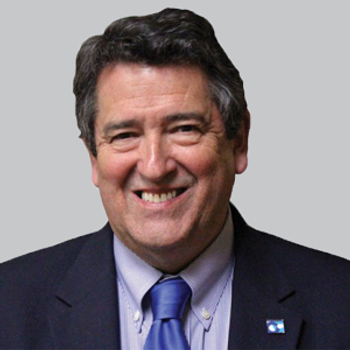
Donald S. Wood, PhD, president and chief executive officer at the MDA, provided thoughts and perspectives on the promising design and educational attainment for the 2025 MDA Clinical & Scientific conference.

The FDA recommended a follow-up meeting with Clene to further discuss the analyses needed to support the accelerated approval pathway for CNM-Au8 in amyotrophic lateral sclerosis.

Here's some of what is coming soon to NeurologyLive® this week.

RELIEV2-CM Study Launched, Dose-Finding Portion of ANQUR Underway, Anavex Submits EU Application for Blarcamesine
Published: | Updated:
Neurology News Network. for the week ending December 7, 2024. [WATCH TIME: 4 minutes]

RGX-202 demonstrated improved functional outcomes and robust microdystrophin expression, with levels exceeding those of other approved or investigational gene therapies.
Perspective from neurologists on the current and future applications for artificial intelligence across a bevy of neurologic conditions.

A recently initiated phase 1/2 trial of NS-050/NCNP-03 will assess patients with Duchenne muscular dystrophy on dystrophin production, muscle strength, mobility, and functional exercise capacity.
Catch up on any of the neurology news headlines you may have missed over the course of November 2024, compiled all into one place by the NeurologyLive® team.
Advertisement
Advertisement
Trending on NeurologyLive - Clinical Neurology News and Neurology Expert Insights
1
FDA Accepts Troriluzole NDA Resubmission for Spinocerebellar Ataxia
2
Real-World Data Show Switch to Subcutaneous Ocrelizumab Well Tolerated
3
Advances in Spinal Cord MRI for Multiple Sclerosis: Julien Cohen-Adad, PhD
4
CALLIPER Extension Data Show Sustained Disability Outcomes With Vidofludimus Calcium in Progressive MS
5