
Test your neurology knowledge with NeurologyLive®'s weekly quiz series, featuring questions on a variety of clinical and historical neurology topics. This week's topic is the history of the American Epilepsy Society.
Test your neurology knowledge with NeurologyLive®'s weekly quiz series, featuring questions on a variety of clinical and historical neurology topics. This week's topic is the history of the American Epilepsy Society.
In a recent post hoc analysis of the Study C021 trial, findings support the idea that early adjustments to concomitant antiseizure medications enhance the retention of cenobamate, an FDA-approved treatment for focal seizures.
The professor of neurology in the department of neuroscience at Monash University discussed implementation strategies for treatment approaches to achieve seizure freedom in patients with epilepsy. [WATCH TIME: 5 minutes]
Over a 12-week trial period, Asian patients treated with brivaracetam demonstrated efficacy and safety outcomes that were similar to other populations previously observed.
Neurology News Network for the week ending December 1, 2023. [WATCH TIME: 4 minutes]
In an analysis of lacosamide in pregnant women, a low number of preterm birth deliveries were reported, with no new safety concerns identified.
Take 5 minutes to catch up on NeurologyLive®'s highlights from the week ending December 1, 2023.
The director of the Mid-Atlantic Epilepsy & Sleep Center and adjunct associate professor of neurology at George Washington University discussed the advancements in epilepsy research, especially for drug-resistant epilepsy, to be presented at AES 2023. [WATCH TIME: 4 minutes]
Both pediatric and adult patients with tuberous sclerosis complex demonstrated significant reductions in TSC-associated seizures with no new safety concerns identified.
The division director of epilepsy and associate professor of neurology at The Ohio State University Wexner Medical Center discussed the profound repercussion of ongoing seizures for patients with epilepsy which is to be presented at AES 2023 in SK Life Science’s symposium. [WATCH TIME: 5 minutes]
Mind Moments®, a podcast from NeurologyLive®, brings you an exclusive interview with William Gallentine, DO. [LISTEN TIME: 17 minutes]

Givinostat, a HDAC inhibitor, was supported by data from the phase 3 EPIDYS study, a randomized, double-blind, placebo-controlled, multicenter trial.
PREDICT-PD, a low intensity and cost-efficient assessment, was able to estimate the occurrence of motor disturbances in the future, in particular sub-threshold parkinsonism and bradykinesia.

According to a recent cross-sectional study on pediatric patients with epilepsy in Western China, most patients’ caregivers had treatment access barriers, especially for making appointments, obtaining diagnosis and examination results, and having a response from the care team.
The neurologist at Cleveland Clinic provided perspective on the reasons to study individuals exposed to repetitive head impacts and the lessons learned about monitoring glial fibrillary acidic protein over time. [WATCH TIME: 4 minutes]
ACP-204, an inverse agonist at the 5-HT2A receptor, builds upon the learnings of pimavanserin (Nuplazid) in the treatment of neuropsychiatric symptoms.
Jim Eubanks, PhD, national director of medical affairs at Octave, provided thoughts on the company’s $10 million grant from The Michael J. Fox Foundation for Parkinson’s Research and highlighted the importance of awareness for movement disorders like Parkinson disease.

Despite additional information submitted, the FDA continues to impose a clinical hold on Entrada Therapeutics' ENTR-601-44 for the potential treatment of Duchenne muscular dystrophy.
The chief executive officer at Parkinson & Movement Disorder Alliance and the president at PD Avengers discussed the importance of awareness in movement disorders and the challenges that patients still face in getting access to treatments for improved quality of life. [WATCH TIME: 12 minutes
Heather Synder, PhD, vice president of medical and scientific relations at the Alzheimer’s Association, gave thoughts on the recently concluded CTAD conference and how the organization plans to carry the positive momentum in the field.
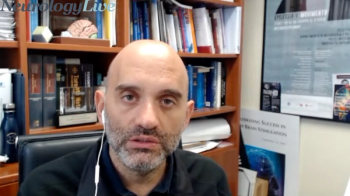
The professor of neurology at the University of Toronto provided insight on several prominent targets in the brain for deep brain stimulation, including emerging ones that may not gain as much attention. [WATCH TIME: 3 minutes]

The director of the headache section at Cleveland Clinic’s Neurological Institute provided thoughts on how recent advances have propelled migraine care, treatment possibilities behind prevention, and emerging research targets.

In a new announcement, the FDA warns patients to immediately seek out medical attention if unexplained rash, fever, or swollen lymph nodes develop when using the antiseizure medications levetiracetam and clobazam.
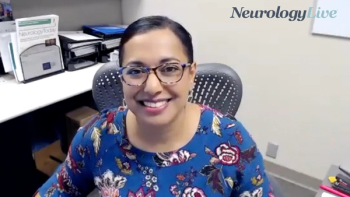
The associate professor in the department of neurology at Mayo Clinic College of Medicine talked about findings from a real-world study assessing eptinezumab among patients with chronic migraine which was presented at the AHS Scottsdale Headache Symposium 2023. [WATCH TIME: 4 minutes]
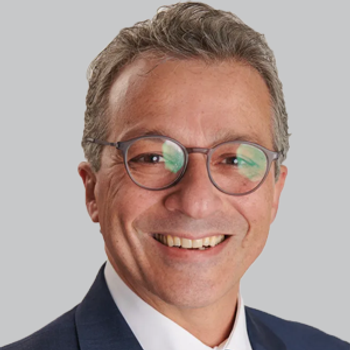
Alvaro Pascual-Leone, MD, PhD, director of the Berenson-Allen Center for Noninvasive Brain Stimulation at Beth Israel Deaconess Medical Center, provided commentary on the ways Alzheimer disease treatment has changed and how clinicians will need to adapt in the coming years.
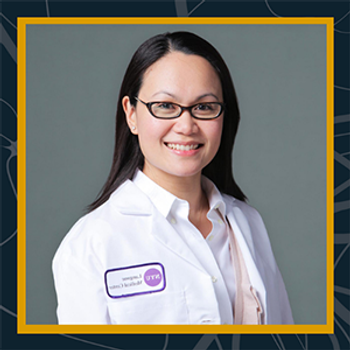
As part of our monthly clinician spotlight, NeurologyLive® highlighted epilepsy expert Patricia C. Dugan, MD, director of the epilepsy fellowship program at NYU Langone Health.
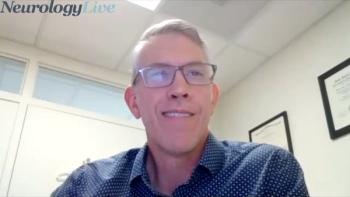
The interim chief of pediatric neurology at Stanford Medicine Children’s Health discussed progress in preventing seizures among patients with epilepsy, the potential for gene-targeted therapies, and the importance of localizing where seizures are coming from. [WATCH TIME: 5 minutes]

The odds of making a specific diagnosis nearly doubled when the patient headache questionnaire was employed, resulting in more accurate identification and subsequent treatment of migraine cases.
Across 31 studies of patients with NMOSD, more than half of the patients included reported having sleep disturbances associated with their condition.
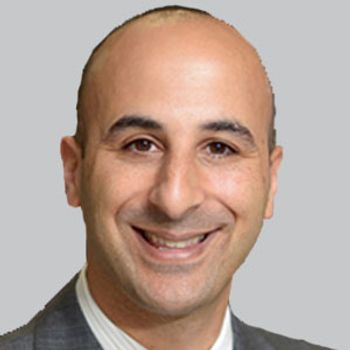
Neurona Therapeutics’ NRTX-1001, a regenerative neural cell therapy derived from human stem cells, showed promise in potentially suppressing seizures in patients with drug-resistant mesial temporal lobe epilepsy.