
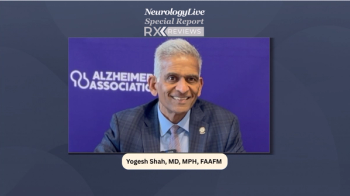
In the final episode, Yogesh Shah, MD, MPH, FAAFP, details how Alzheimer biomarkers have evolved and why blood-based testing could move the field toward earlier detection, risk reduction, and ultimately prevention.
In the final episode, Yogesh Shah, MD, MPH, FAAFP, details how Alzheimer biomarkers have evolved and why blood-based testing could move the field toward earlier detection, risk reduction, and ultimately prevention.
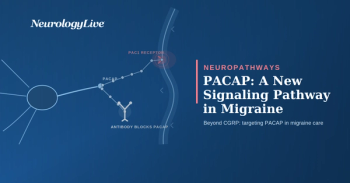
Clinician author Kevin Chang, PharmD, writes about PACAP as a distinct, druggable migraine pathway independent of CGRP, offering a promising option for patients who don't respond to current therapies.
The FDA approved TAUKLARIFY (florquinitau F 18 injection), a tau PET imaging agent, for identifying tau neurofibrillary tangle pathology in adults being evaluated for Alzheimer disease.
Mitzi Joi Williams, MD, is joined by Charnetta Colton Poole, MD, to discuss the challenges of communication between people living with chronic illness and their care partners, including maintaining autonomy, navigating changing roles, and building collaborative relationships through open communication.
Voyager Therapeutics is advancing 2 tau-targeted Alzheimer disease therapies toward key clinical milestones expected in the fourth quarter of 2026, including tau PET imaging data for VY7523 and first-in-human dosing for VY1706.

The FDA has cleared Quantum BioPharma's investigational new drug application for Lucid-MS, allowing the company to begin a phase 2 trial of the first-in-class demyelination-targeting compound in progressive multiple sclerosis.
Uma Menon, MD, Adult Neurology Residency Program Director at Allina Health, shares lessons on navigating fellowship, finding the right career path, building expertise, and maintaining balance throughout a career in neurology.
CurePSP and UCSF announced enrollment of the first participant in the PSP Trial Platform, believed to be the first platform trial ever conducted specifically for progressive supranuclear palsy, designed to test multiple investigational drugs simultaneously.
Yogesh Shah, MD, MPH, FAAFP, discusses how earlier identification of Alzheimer pathology with P-tau217 could change the patient journey, from treatment opportunities to long-term planning and dementia risk reduction.

In a recently published phase 3 post hoc analysis, treatment with fenfluramine was associated with early, sustained reductions in fall-related seizures among patients with Lennox-Gastaut syndrome.

Ractigen Therapeutics announced completion of enrollment and first dosing across all cohorts of its phase 2 trial of RAG-17, an investigational siRNA therapy for SOD1-mutated ALS, building on phase 1 data recently published in Nature Medicine.
Senda Ajroud-Driss, MD, director of the ALS Clinic at Northwestern Medicine, discussed why adults with spinal muscular atrophy continue to need multidisciplinary care and where the evidence still falls short.

The director of neurology at Cook Children's Hospital discusses overlooked challenges in transitioning patients with Lennox-Gastaut syndrome from pediatric to adult care, including insurance changes, mobility concerns, and long-term care planning. [WATCH TIME: 3 minutes]
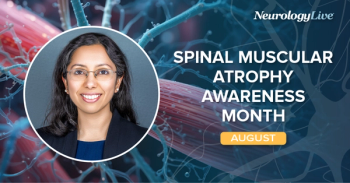
Divya Jayaraman, MD, PhD, a pediatric neuromuscular specialist at Columbia University Irving Medical Center, discussed the comparative evidence gaps in spinal muscular atrophy and the difficulty of moving patients into adult care.

Horacio Kaufmann, MD, Director of the Dysautonomia Center at NYU Langone, discusses the prospective validation of prodromal MSA criteria, how olfactory testing can sharpen specificity, and how close the field is to biomarker-driven early diagnosis.

Annexon reported that all 10 patients in the first US and European cohort of its open-label FORWARD study showed rapid, clinically meaningful improvement in strength within days of a single tanruprubart infusion for Guillain-Barré syndrome.
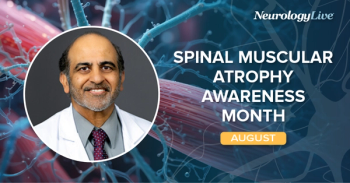
Sandeep Rana, MD, director of the ALS Center at the Allegheny Health Network Neuroscience Institute, discussed how multidisciplinary clinics are assembled and what still limits access to coordinated care in spinal muscular atrophy.
Divya Jayaraman, MD, PhD, a pediatric neuromuscular specialist at Columbia University Irving Medical Center, discussed how multidisciplinary care teams in spinal muscular atrophy are adapting to a growing number of treatment options.

Here's some of what is coming soon to NeurologyLive® this week.
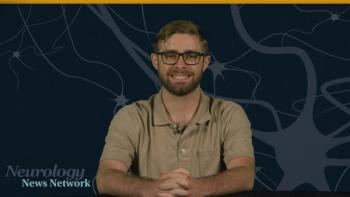
Neurology News Network for the week ending August 8th, 2026. [WATCH TIME: 4 minutes]
Test your neurology knowledge with NeurologyLive®'s weekly quiz series, featuring questions on a variety of clinical and historical neurology topics. This week's topic is Spinal Muscular Atrophy!

Investigators independently tracked the 6 patients treated in a Parkinson disease gene therapy trial that was abandoned mid-study after its sponsor became insolvent, finding a reassuring safety profile and mixed signals of motor benefit through up to 3 years.
Cynthia Keator, MD, director of neurology at Cook Children's Hospital, shares her perspective on building longitudinal Lennox-Gastaut syndrome care plans, navigating the pediatric-to-adult transition, and what the field needs to do better for patients and families.

Take 5 minutes to catch up on NeurologyLive®'s highlights from the week ending August 7, 2026.
Topline findings from the Phase 2 SUNRISE-PD study showed statistically significant improvements in clinical measures, inflammatory biomarkers, and exploratory neurodegeneration markers among patients with early Parkinson disease treated with bezisterim.

Mind Moments®, a podcast from NeurologyLive®, brings you an exclusive interview with Sandeep Rana, MD. [LISTEN TIME: 15 minutes]
New phase 1 data showed favorable pharmacokinetic and safety findings for the investigational orexin-2 receptor agonist BP-205, supporting continued clinical development.
The FDA has granted 510(k) clearance to VoxNeuro's Cognitive Function Neuroimaging software, an EEG/ERP-based tool designed to give clinicians an objective, adjunctive measure of cognitive function.

Neurologist Takaomi Saido, PhD, discusses decades of research into the neprilysin-donanemab and amyloid-beta–tau axes in Alzheimer disease, highlighting potential mechanisms underlying the transition from amyloid to tau pathology and opportunities to develop earlier, more targeted disease-modifying therapies.
Six FDA PDUFA decisions this fall could reshape care in Alzheimer disease, DMD, Sanfilippo syndrome, Alexander disease, and SMA, here's what clinicians need to know about the data behind each.