

Neal K. Shah, chief executive officer at CareYaya Health Technologies, talked about Medicare making big moves in neurological care.
Neal K. Shah, chief executive officer at CareYaya Health Technologies, talked about Medicare making big moves in neurological care.

Here's some of what is coming soon to NeurologyLive® this week.

A recent analysis of the phase 3 ADHERE trial demonstrated the clinical benefit of subcutaneous efgartigimod PH20 in patients with chronic inflammatory demyelinating polyneuropathy.

The chief of the Sleep Disorders Clinical Research Program at Massachusetts General Hospital talked about the new clinical guidelines for treating restless legs syndrome which emphasize the risks of dopamine agonists and advocate for alternative therapies. [WATCH TIME: 8 minutes]
Test your neurology knowledge with NeurologyLive®'s weekly quiz series, featuring questions on a variety of clinical and historical neurology topics. This week's topic is on Lennox-Gastaut syndrome.

Tuan Vu, MD, a professor of neurology at the University of South Florida, provided brief commentary on topline data of the phase 3 VIVACITY-MG3 study presented at AANEM 2024.

The phase 3 study is expected to include 110 patients with seronegative myasthenia gravis who will be randomly assigned to IV efgartigimod or placebo for a 5-week follow-up, followed by an open-label extension.

Neurology News Network. for the week ending October 19, 2024. [WATCH TIME: 4 minutes]

A new analysis revealed zilucoplan’s long-term efficacy and safety in patients with generalized myasthenia gravis, with data extending to 120 weeks of treatment.
Take 5 minutes to catch up on NeurologyLive®'s highlights from the week ending October 18, 2024.
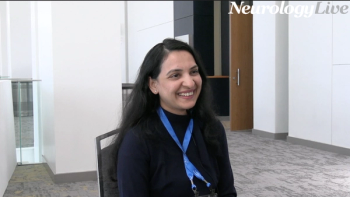
The assistant professor of neurology at Wake Forest School of Medicine provided clinical insight on MG0020, a phase 3 trial assessing a self-administration of rozanolixizumab through a syringe driver. [WATCH TIME: 3 minu]
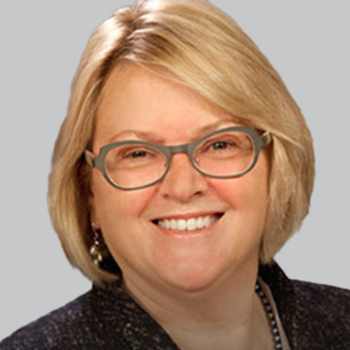
Despite balanced baseline characteristics, patients ranged from low to high number of rozanolixizumab treatment cycles, suggesting the need for a personalized approach.

Mind Moments®, a podcast from NeurologyLive®, brings you an exclusive interview with Daniel Claassen, MD, MS. [LISTEN TIME: 14 minutes]

Findings showed that both fixed cycles and every-other-week dosing regimens of efgartigimod were well tolerated and effective in improving clinical outcomes in patients with generalized myasthenia gravis.
The PREVAIL trial, presented at the 2024 AANEM meeting, is investigating gefurulimab, a bispecific nanoantibody designed to inhibit complement activation, as a potential treatment for patients with generalized myasthenia gravis.

Sodium oxybate is the only FDA-approved once-at-bedtime treatment for cataplexy or excessive daytime sleepiness in pediatric patients with narcolepsy.

In clinical trials, patients with Parkinson disease who were treated with foscarbidopa/foslevodopa experienced superior improvement in ON time without dyskinesia compared with oral immediate-release carbidopa/levodopa.
The neuromuscular specialist at the University of Tennessee Medical Center provided clinical insight on a retrospective analysis studying the long-term corticosteroid patterns of approved treatments for generalized myasthenia gravis. [WATCH TIME: 5 minutes]
Rozanolixizumab demonstrated efficacy in patients with generalized myasthenia gravis aged at least 65 years, despite a higher incidence of comorbidities observed in this population.
The Meta A. Neumann Professor of Neurology at George Washington University provided an overview of a new phase 3 study testing the efficacy and safety of cladribine versus placebo in generalized myasthenia gravis. [WATCH TIME: 3 minutes]

Pozelimab and cemdisiran work together to block the complement pathway, which plays a key role in gMG, using two different approaches—one suppresses liver production of a key protein, while the other targets it directly with antibodies.
Zilucoplan, approved for generalized myasthenia gravis in 2023, showed consistent complement inhibition, even with additional treatments like IVIg or plasma exchange.
The director of the myasthenia gravis clinic at Yale University provided clinical insight on promising phase 3 data assessing inebilizumab, an FDA-approved therapy for NMOSD, in patients with myasthenia gravis. [WATCH TIME: 4 minutes]
The chief of the Sleep Disorders Clinical Research Program at Massachusetts General Hospital discussed the newly updated treatment guidelines for the treatment of restless legs syndrome.
A new analysis of the phase 3 PROPEL study showed that switching to cipaglucosidase alfa/miglustat therapy enhanced outcomes among patients with late-onset Pompe disease.

Using data from observational studies, a recent meta-analysis offered a comprehensive overview of the risk profile of cardiovascular comorbidities in patients with myasthenia gravis.

A new study presented at AANEM 2024 revealed that daily dosing of oral edaravone was well tolerated and did not reveal any new safety concerns in patients with amyotrophic lateral sclerosis.

Long-term use of ravulizumab in patients with generalized myasthenia gravis led to a significant reduction in corticosteroid dependence, highlighting its potential steroid-sparing benefits.

In our latest roundtable series, experts discussed Long COVID prevalence, underreporting, accurate diagnosis, and emphasized that Long COVID serves as an umbrella term.

Jonas Hannestad, MD, PhD, chief medical officer at Gain Therapeutics, provided clinical perspective on promising data from a phase 1 first-in-human study of GT-02287, an investigational therapy for Parkinson disease with or without a GBA1 mutation.