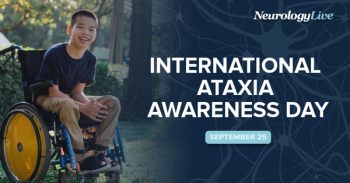
In recognition of International Ataxia Awareness Day, observed annually on September 25, NeurologyLive® reviews 6 investigational agents in clinical development across ataxia-related disorders.
Elizabeth Ferluga, MD, and Kristen Fortino discuss a newly launched virtual care program, the barriers facing patients with ataxia, and the potential for remote access to specialized care to improve diagnosis, treatment, and clinical trial connectivity.
People living with ataxias may sometimes face significant barriers to accessing specialized neurological care, including long wait times, limited availability of experts, and the challenges of traveling long distances while managing progressive balance and coordination difficulties. These barriers can contribute to delays in diagnosis and treatment, leaving patients and caregivers navigating a complex health care system in search of answers and appropriate support.
To help address these challenges, Synapticure launched a Virtual Ataxia Care program designed to connect patients and caregivers with specialized neurological care from home. The initiative is supported by Biogen, which is contributing to disease education and awareness efforts surrounding the resource.
In response to the news, NeurologyLive® reached out to Elizabeth Ferluga, MD, director of Movement Disorders at Synapticure, and Kristen Fortino, senior vice president of U.S. Rare Disease at Biogen, to discuss the development of the Virtual Ataxia Care program and the need for more accessible, specialized care for the ataxia community. In the conversation, Ferluga and Fortino discussed the barriers patients face in accessing expert care, the potential benefits and challenges of expanding virtual neurological care, and how the program could help shorten the diagnostic journey and connect patients with clinical trials and other resources.
Elizabeth Ferluga, MD: Synapticure is a virtual care platform designed to help people living with movement disorders, including ataxias and other neurological diseases, access quality, patient-centered care from the comfort of their homes. For people living with ataxias, a group of neurological conditions characterized by progressive loss of coordination, balance, and motor function, highly specialized care can be extremely difficult to find.
The Virtual Ataxia Care program is designed to help eliminate some of these barriers to care by connecting patients and caregivers with Synapticure neurologists or helping to co-manage their care alongside an existing care team. The program includes a wide variety of support options, including neurological evaluations, at-home genetic testing and counseling, treatment reviews, and ongoing coordination with broader care teams. We’re also thrilled to have partnered with Biogen, which is helping to support disease education and awareness efforts for this resource through its extensive knowledge and deep roots in the ataxia community.
Ferluga: The ataxia community has long faced challenges in accessing care. To this day, people living with ataxias continue to be misdiagnosed or experience delays in diagnosis because of the rarity of these diseases, leading to a years-long struggle just to receive answers. For some, this also means traveling long distances to the nearest ataxia center of excellence, and the challenge of traveling while managing a movement disorder can be significant.
Synapticure’s goal with the Virtual Ataxia Care program is to provide a new, accessible option for people living with ataxias to manage their care from home. By removing geographic barriers and offering shorter wait times, the virtual program can help patients bypass some of the typical delays in diagnosis and treatment.
Kristen Fortino: Biogen has a long history of supporting the rare disease community, giving us a deep understanding of the needs of the people we serve who are living with these conditions. What drew us to Synapticure was a shared sense of urgency and commitment to these patients. Like Biogen, Synapticure is focused on tackling health care’s toughest challenges and breaking down the barriers that prevent patients from accessing crucial resources, expertise, and support. This makes the value of a virtual care program like this truly significant for the ataxia community.
Ferluga: Virtual care offers a transformative option for people living with rare diseases such as ataxias, but there are systemic challenges to overcome to bring this model into the mainstream diagnostic and treatment landscape. We’re proud to offer care in all 50 states, but that means we’re also navigating the complexities of state-by-state regulations and policies. This also means coordinating care locally for our patients and building a network of care partners throughout the country. This administrative burden is an obstacle that Synapticure is willing to take on to deliver high-quality virtual care, but it can be arduous and limit the ability to scale virtual clinics.
Additionally, there is a common misconception that care for neurological disorders cannot be conducted virtually. While there are some limitations to virtual care visits, the benefits of virtual care can, at times, outweigh some of the challenges that come with in-person appointments. Particularly for the ataxia community, these can include geographic barriers to care, managing mobility challenges while traveling to appointments, and the lost time that comes with traveling to and from an appointment during the day. We remain confident in the value of virtual care and are thrilled to be expanding these services to the ataxia community.
Ferluga: The implementation of this program marks a notable shift toward a more accessible future for ataxia care. Fast access to expert care at home has never before been available for this population, so we hope that this innovative platform can help people living with ataxias and their caregivers explore new or expanded options for care at home.
In the near term, access to these specialized experts has the potential to shorten the diagnostic journey for patients with ataxia, who often face months of waiting for an appointment. Faster and more accurate diagnoses can then enable earlier therapeutic interventions and tailored symptom management with a diverse care team of neurologists and other specialists. Furthermore, by offering education about and connecting patients with clinical trials, we can help bridge the gap between groundbreaking science and the patients who need it most.
By showing how high-quality care can be accessed at home, we can help drive progress toward a future where access to care is determined by clinical need rather than a patient’s location.
Transcript edited for clarity.