News|Podcasts|August 28, 2026

Brain Chat: Beyond the Wrinkles: Botox for Migraine, Spasticity, and Beyond

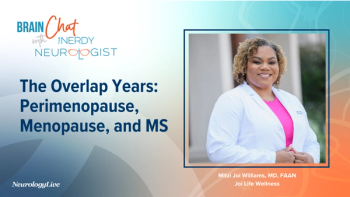
Mitzi Joi Williams, MD, is joined by Jakai McEwen, DO, and Jacqueline Rosenthal, MD, to discuss the medical uses of botulinum toxin across neurologic conditions, including chronic migraine and spasticity, as well as treatment expectations, shared decision-making, and common misconceptions surrounding Botox.

Brain Chat with the Nerdy Neurologist is a podcast hosted by Mitzi Joi Williams, MD, a board-certified neurologist and fellowship-trained neuroimmunologist, that brings together clinicians and experts to make complex neurologic topics clear, practical, and patient-centered. Through conversations that blend clinical expertise with real-world experiences, the series explores neurologic conditions, treatment options, and strategies for helping patients live more fully with chronic neurologic disease.

In this episode, Williams is joined by Jackie McEwen, MD, a neurologist at Joy Life Wellness Center, and Jacqueline Rosenthal, MD, medical director of the Andrew C. Carlos MS Institute at Shepherd Center, to discuss the medical uses of botulinum toxin (Botox) across neurologic conditions. The conversation explores how localized botulinum toxin treatment works at the nerve and muscle level, its role in chronic migraine and spasticity, and how targeted treatment can help reduce symptoms while limiting systemic adverse effects. Williams and her guests also discuss treatment expectations, shared decision-making, common misconceptions about Botox, and its use in conditions including cervical dystonia, bladder dysfunction, excessive salivation, and facial movement disorders.

EPISODE BREAKDOWN:

  • Understanding how botulinum toxin works at the nerve and muscle level
  • Why localized treatment can be beneficial compared with systemic medications
  • When Botox may be considered for chronic migraine
  • Understanding the difference between acute and preventive migraine treatment
  • What patients can realistically expect after Botox for migraine
  • Using Botox to manage spasticity related to MS, stroke, and spinal cord injury
  • Balancing muscle relaxation with preserved function in patients with spasticity
  • How Botox can affect activities of daily living and caregiver responsibilities
  • Other neurologic uses, including cervical dystonia, excessive salivation, and facial movement disorders
  • What patients should expect during a Botox treatment visit
  • How clinicians determine whether treatment is working
  • Common myths and fears surrounding medical Botox
  • Why Botox is not considered addictive or permanently altering
  • The importance of shared decision-making when selecting muscles and treatment targets
  • How access, training, and awareness can affect access to botulinum toxin treatment
  • Setting realistic expectations about treatment response and repeat sessions
  • Viewing Botox as another tool in the neurologic treatment toolbox

Other formats:

Listen to the show on Apple Podcasts.

Watch the episode on YouTube.


Latest CME