Pivotal AFFINITY DUCHENNE results showed microdystrophin expression above the prespecified threshold in 93% of evaluable participants, with preliminary functional findings favoring treatment over external controls.
Neurology News Network for the week ending August 29th, 2026. [WATCH TIME: 5 minutes]
WATCH TIME: 5 minutes | Captions are auto-generated and may contain errors.
Below is a transcript of the video.
Welcome to the Neurology News Network, my name is Louie Pasculli and here’s a look at some of the top stories in Neurology.
The FDA has been busy this week, making multiple decisions over just a few days. The administration kicked off the week by clearing Elecsys pTau217, a blood-based immunoassay from Roche developed in collaboration with Eli Lilly, to aid clinicians in identifying amyloid pathology associated with AD in adults 55 and older with signs, symptoms, or complaints of cognitive decline. Roche describes it as the first and only FDA-cleared, single-biomarker blood test that supports both rule-in and rule-out assessment of amyloid pathology, using the same validated cutoffs across primary and specialty care.¹
The FDA then extended the PDUFA target action date for Capricor Therapeutics’ deramiocel, an investigational cell therapy for Duchenne muscular dystrophy, or DMD, from August 22 to November 22, 2026. The agency cited the acceptance of additional phase 3 HOPE-3 (NCT05126758) data as a major amendment to the biologics license application, or BLA.²,³
The administration then granted a Fast Track Designation to safusidenib, an investigational oral, brain-penetrant selective inhibitor of mutant IDH1, for the treatment of patients with IDH1-mutant glioma, according to developer NuvationBio.⁴ The designation comes as the agent advances into a pivotal phase 3 program.
Finally, the FDA placed a clinical hold on clemidsogenelanparvovec, or RGX-121, an investigational gene therapy for MPS II, also known as Hunter syndrome, after spinal MRI abnormalities were detected in 5 participants from the CAMPSIITE study (NCT03566043).⁵,⁶ REGENXBIO stated in a company update that it does not expect to resubmit a biologics license application for the therapy in the near term.
In other news, A coalition of Charcot-Marie-Tooth (CMT) disease organizations, clinicians, and pharmaceutical companies has published the first consensus clinical trial framework for CMT in the Journal of the Peripheral Nervous System. The framework, developed by a group called ToPIC: CMT (Together Patients, Industry and Clinicians), is intended to give drug developers a clearer, more consistent roadmap as they design trials and pursue FDA review for a disease that currently has no approved treatments.7
The framework outlines several recommendations for improving clinical trials in CMT, including more flexible trial designs that can limit placebo exposure, broader enrollment based on clinical phenotype rather than genetic subtype alone, and the use of disease-specific, function-based endpoints. It also highlights a potential role for biomarkers such as neurofilament light chain, PMP22 expression, and MRI-based muscle fat fraction in supporting dose selection, prognosis, and potentially accelerated approval pathways. The guidance additionally emphasizes studying treatments earlier in the disease course and across the lifespan, while providing practical considerations for pediatric safety, gene therapy development, and potentially extrapolating treatment benefit across CMT subtypes when scientifically justified.
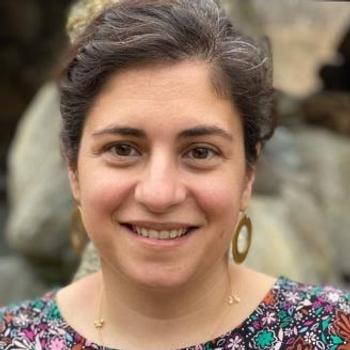
Switching gears, for trainees and early-career physicians entering brain injury medicine, establishing a career can involve navigating an evolving field while developing expertise, professional relationships, and a clear understanding of where they can make an impact. When speaking with NeurologyLive®, brain injury specialist
As the program director of the Brain Injury Medicine Fellowship at Burke Rehabilitation Hospital, Trovato has worked closely with trainees pursuing careers in the field. Since the fellowship's launch in 2021, she has gained perspective on the experiences and challenges facing applicants and early-career physicians, while drawing on her own career to offer guidance on mentorship, professional development, and finding one's place within an institution.
In a recent conversation with NeurologyLive, Trovato, who is also chief quality officer and associate chief medical officer at Burke Rehabilitation Hospital, discussed what initially drew her to brain injury medicine and the aspects of the specialty that have sustained her interest throughout her career. She also offered advice for trainees and early-career physicians on developing expertise, building mentorship relationships, networking through professional conferences, and pacing themselves as they establish their careers. Trovato additionally highlighted the expanding scope of brain injury medicine, including opportunities across inpatient and outpatient care.
To read the full pieces and to get more direct access to expert insight, head to NeurologyLive.com. Be sure to tune in next week to remain informed on the latest in neurology. I’m Louie Pasculli, thanks for watching Neurology News Network.