Commentary|Videos|January 23, 2026
EP. 5 Envisioning the Future of Epilepsy Care for Patients With Depressive Symptoms
Fact checked by: Marco Meglio
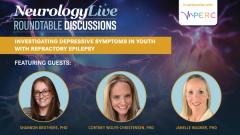
Pediatric specialists stressed that the future of epilepsy care may involve embedding behavioral health clinicians in specialty clinics to identify and treat depression early, improve quality of life, and potentially reduce seizure burden. [WATCH TIME: 3 MINUTES]
Advertisement
WATCH TIME: 3 MINUTES | Captions are auto-generated and may contain errors.
Episodes in this series
A 2025 multi-site study published in Epilepsy & Behavior aimed to examine depressive symptoms in children and youth with epilepsy (CYE) who completed measures of emotional and behavioral functioning as part of a pre-surgical neuropsychological evaluation. All told, results revealed that CYE are at a higher risk of experiencing depressive symptoms, especially those with temporal lobe epilepsy (TLE). Findings also indicated that other seizure and sociodemographic variables did not increase risk or resilience, calling for depression screening during routine epilepsy care, including for those CYE with low IQ.
To further understand the clinical relevance of these results, NeurologyLive® facilitated a discussion with 3 study authors: Shannon Brothers, PhD, Cortney Wolfe-Christensen, PhD, and Janelle Wagner, PhD. Brothers is a pediatric epilepsy psychologist at Cincinnati Children's Hospital Medical Center, Wagner is a pediatric psychologist at Medical University of South Carolina, and Wolfe-Christensen is a pediatric psychologist at Children’s Medical Center in Fort Worth, Texas. Throughout the roundtable, each clinician provided insight regarding the recent publication and its clinical implications.
In the final segment, the three experts weighed in on the need to reimagine epilepsy care by integrating behavioral health services directly into epilepsy clinics to better identify and address depressive symptoms. They noted that depression is highly prevalent among patients with epilepsy and often unrecognized, despite evidence suggesting that treating mood symptoms may also improve seizure control. The speakers also highlighted that embedding psychologists and behavioral health clinicians within epilepsy centers could reduce stigma, improve access to care, and enable earlier intervention, especially for children and adolescents, where timely treatment may have long-term implications for quality of life.
REFERENCES
1. Brothers S., Wolfe-Christensen C., Loblein H., et al. Depressive symptoms in youth with refractory epilepsy: Exploration of seizure, sociodemographic and cognitive factors. Epilepsy & Behavior. 2025;Volume 171:110608. DOI: 10.1016/j.yebeh.2025.110608
Advertisement
Related to this article
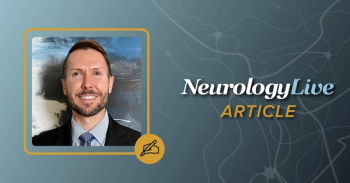
An analysis of the phase 3 GEMZ trial presented at CNS 2026 showed that fenfluramine produced comparable seizure reductions and safety outcomes in children and adults with CDKL5 deficiency disorder.

Here's some of what is coming soon to NeurologyLive® this week.
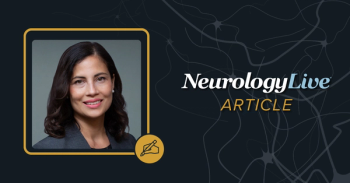
At a NeurologyLive Clinical Forum in Philadelphia, Jessica D. Schulte, MD, PhD, of NYU Grossman School of Medicine, discussed how earlier recognition and systemic therapy options are changing the treatment paradigm for patients with NF1-associated plexiform neurofibromas.
Test your neurology knowledge with NeurologyLive®'s weekly quiz series, featuring questions on a variety of clinical and historical neurology topics. This week's topic is biomarkers in multiple sclerosis!

Leonard Dragone, MD, PhD, Disease Area Leader at Johnson & Johnson, discusses how nipocalimab is being incorporated into generalized MG care, what long-term data show, and where J&J sees the therapy’s role evolving.

Pivotal AFFINITY DUCHENNE results showed microdystrophin expression above the prespecified threshold in 93% of evaluable participants, with preliminary functional findings favoring treatment over external controls.
Take 5 minutes to catch up on NeurologyLive®'s highlights from the week ending October 16, 2026.

Three-year extension data from the phase 3 IB1001-301 trial show levacetylleucine slowed disease progression in both adults and children with Niemann-Pick disease type C.
Advertisement
Advertisement
Trending on NeurologyLive - Clinical Neurology News and Neurology Expert Insights
1
ELEVIDYS Shows Functional Benefits in Patients With DMD, Dompé Launches Phase 2 Trial of Intranasal Nerve Growth Factor in CP, NeurologyLive Roundtable: The Road Ahead for Precision Medicine in MS
2
FDA Approves Autoinjector for Self-Administered Zilucoplan in Generalized Myasthenia Gravis
3
Satralizumab Reduces MOGAD Relapse Risk in Phase 3 METEOROID Trial
4
RGX-202 Meets Primary End Point in Phase 3 Duchenne Trial
5