Take 5 minutes to catch up on NeurologyLive®'s highlights from the week ending October 23, 2026.
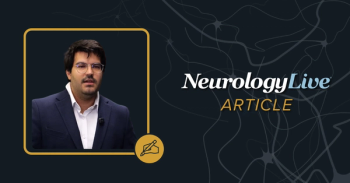
In honor of Black History Month, neurologist Na Tosha Gatson, MD, PhD, reflects on structural inequities in neuro-oncology and advancing equity through mentorship, trial design, and institutional policy.
Brain tumor outcomes vary across racial and socioeconomic groups, reflecting long-standing inequities in access to specialty care, clinical trials, and advanced diagnostics. As neuro-oncology continues to advance through biomarker discovery and precision medicine, equity in access and representation remains a central challenge.
During Black History Month, leaders across neuroscience reflect not only on representation in medicine, but also on the structural systems that shape patient outcomes. Na Tosha Gatson, MD, PhD, FAAN, Tenured Professor at Indiana University School of Medicine and Director of The Center for Neuro-Oncology, has built her career at the intersection of clinical excellence, research innovation, and equity-focused leadership.
In this conversation with NeurologyLive, Gatson discusses the structural drivers that influence neuro-oncology outcomes, how mentorship can shape the next generation of neurologists, and why embedding equity principles into clinical trial design and institutional policy is essential for lasting change.
Na Tosha Gatson, MD, PhD, FAAN: Clinicians frequently overlook the deep-rooted impact of structural racism, socioeconomic disparities, and historical mistrust in healthcare systems among Black communities. My experience leading multidisciplinary neuro-oncology teams has shown that access to advanced diagnostics, clinical trials, and specialized care is often limited by systemic barriers—such as insurance gaps, geographic isolation, and underrepresentation in research. These factors are compounded by implicit bias and a lack of culturally competent care, which can affect both diagnosis and treatment outcomes. Addressing these issues requires intentional advocacy, community engagement, and policy reform to ensure equitable access and representation.
Mentorship is central to my leadership philosophy. I emphasize the importance of cultural humility, active listening, and advocacy in training programs. By fostering diverse teams and encouraging open dialogue about equity challenges, I help trainees recognize and address disparities in neuro-oncology. My approach includes integrating social determinants of health into clinical education, supporting underrepresented learners, and modeling collaborative, patient-centered care. I also encourage mentees to participate in outreach and research that prioritizes inclusion and community impact.
Equity in clinical trials starts with intentional design: ensuring eligibility criteria do not inadvertently exclude minority populations, actively recruiting from diverse communities, and providing resources (transportation, language support, flexible scheduling) to reduce participation barriers. My leadership in clinical trial programs has focused on building trust with patients and families, partnering with community organizations, and advocating for transparent reporting of demographic data. Embedding equity means making diversity a metric of trial success and holding institutions accountable for inclusive practices.
The Neuro-Oncology of Women (N.O.W.) framework recognizes that gender intersects with race, socioeconomic status, and other factors to shape neuro-oncology outcomes. Applying this lens, I advocate for research and care models that address unique risks, barriers, and needs faced by women—across their lifespan. This includes studying sex-specific biomarkers, tailoring clinical protocols, and promoting leadership opportunities for women in neuroscience. Equity insights from N.O.W. highlight the necessity of intersectional approaches to both research and patient care.
Advancing equity in neuro-oncology requires not only awareness and advocacy, but also the power to enact policy changes that drive systemic transformation.
Transcript edited for clarity.