Here's some of what is coming soon to NeurologyLive® this week.
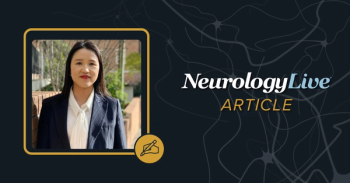
Episode 4 of Gray Areas features a conversation with Rammohan R. Sankaraneni, MBBS, of Allina Health, examining the real scope of AI's impact on neurology, from stroke workflows and EEG monitoring to the unanswered questions that will define where the technology goes next.
Neurology moves fast, and the assumptions that shape how we practice do not always keep up. Gray Areas is a NeurologyLive series where leading clinicians and researchers challenge widely held beliefs across neurology, unpacking what the evidence actually shows, where it falls short, and where the field still has a lot of figuring out to do.
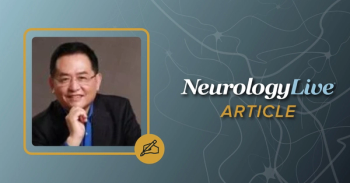
Rammohan R. Sankaraneni, MD, MBBS, FAAN, FAES, epileptologist and president of the
In this episode, Sankaraneni breaks down where AI is already delivering in clinical neurology, what the downstream implications look like for both physicians and patients, and what the field still needs to figure out before AI can live up to its potential.
Segment 1: The Myth (0:55 - 2:16) — Dr. Sankaraneni addresses the question at the center of the conversation: will AI replace physicians? He reframes the myth, arguing that AI will not replace clinicians but will fundamentally change every aspect of how medicine is practiced, from how information is gathered to how it is documented and processed.
Segment 2: What the Evidence Shows (2:16 - 4:54) — A look at where AI has already made measurable inroads in neurology, including FDA-approved stroke detection tools that have cut workflow times by 20 to 30 minutes and real-time EEG monitoring that has extended epilepsy care into smaller, more remote hospitals.
Segment 3: Clinical Implications (4:54 - 9:48) — The downstream effects of AI integration, including the rapid adoption of ambient listening in clinical workflows, improved inpatient resource prioritization, and the concern that built-in data biases could be amplified at scale as the technology becomes more embedded in practice.
Segment 4: What We Still Don't Know (9:48 - 13:40) — Dr. Sankaraneni looks ahead to where AI's biggest potential may lie: accelerating drug discovery, answering foundational questions in neuroscience, and closing access gaps in underserved communities through remote care delivery and decentralized expertise.