The professor of neurology and program director of Neuromuscular Medicine at UC Irvine, discusses phase 3 NIMBLE trial findings for cemdisiran in generalized myasthenia gravis, including its novel siRNA mechanism, efficacy, and hospitalization data.
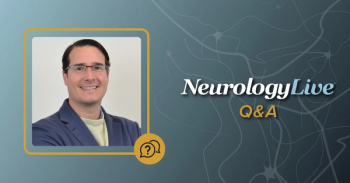
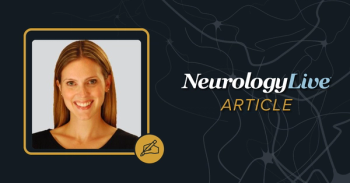
At AAIC 2026, associate professor of neurology at Albert Einstein College of Medicine discussed a culinary medicine intervention to improve MIND diet adherence and mood in older adults with type 2 diabetes. [WATCH TIME: 5 minutes]
WATCH TIME: 5 minutes | Captions are auto-generated and may contain errors.
"If you have a patient who is interested in managing their diabetes beyond medications, this type of intervention could be really helpful not only for diabetes management, but also for their cognitive outcomes and mood outcomes. It addresses multiple risk factors at once."
Type 2 diabetes (T2DM) is recognized as one of 14 modifiable risk factors for dementia identified by the 2024 Lancet Commission on Dementia Prevention, and even prediabetes has been linked to cognitive decline and reduced brain volume.1 Although the MIND diet has been associated with improved cognitive outcomes in older adults, adherence to such dietary patterns remains a persistent challenge in practice, prompting researchers to explore culinary medicine, an approach that pairs nutrition education with hands-on cooking skills, as a way to bridge that gap.
At the
In an interview with NeurologyLive®, Ceide discussed the rationale behind pairing culinary skill-building with dietary counseling, noting that most patients are already aware of recommended dietary patterns but struggle to translate that knowledge into sustained behavior change. She highlighted participant retention as a key finding, with 15 of 16 enrollees completing the program and many requesting it continue afterward. Ceide also described the intervention as addressing multiple dementia risk factors simultaneously, including social isolation and depression, and outlined how the program's mobile kitchen model and use of trained medical students as instructors could support broader clinical implementation.