The associate vice president of clinical research at the Parkinson's Foundation discussed a large-scale replication of rs3115534-G, a noncoding GBA1 variant tied to Parkinson disease in people of African ancestry.
The chair of the 2026 AHA/ASA Guideline for Adult Stroke Rehabilitation and Recovery discussed the major themes, clinical takeaways, and unanswered questions from the first update to the guideline in a decade.
Recently, the American Heart Association and American Stroke Association came together to publish the 2026 Guideline for Adult Stroke Rehabilitation and Recovery, replacing the organizations' prior guideline from 2016. The updated document reflects a comprehensive literature search conducted through late 2025 and introduces new or revised recommendations across nearly every stage of stroke recovery, from hyperacute hospitalization through long-term community reintegration. Key updates include expanded recommendations around mental health screening, caregiver support, falls prevention, dysphagia management, sensorimotor rehabilitation, and the role of compensatory strategies alongside restorative care.
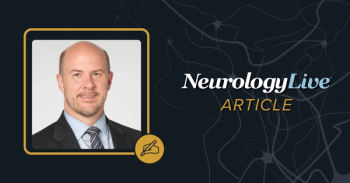
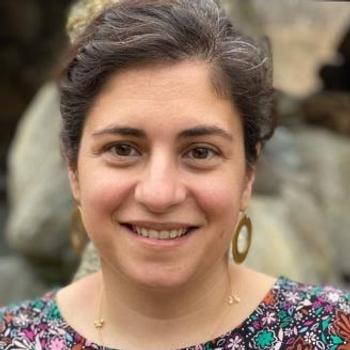
Lorie Richards, PhD, OTR/L, Associate Professor of Occupational and Recreational Therapies and Adjunct Associate Professor of Physical Therapy and Athletic Training at the University of Utah, served as chair of the guideline writing group. Her work sits at the intersection of stroke rehabilitation science, occupational therapy, and outcomes research, and she brings both a clinical and research perspective to how the guideline was shaped and what it is meant to accomplish.
As part of a new NeuroVoices, Richards explained why the guideline was needed now, walked through the major themes clinicians should focus on, and addressed some of the specific sections, including notes on medical comorbidity management and sensorimotor rehabilitation. In addition, she reflected on what goals the writing group had for clinical care over the next several years, as well as where significant unanswered questions remain.
Lorie Richards, PhD, OTR/L: The AHA/ASA really puts out new guidelines about every 10 years. They may actually shorten that, given the rate of knowledge production is ever going faster, but up to date this is what they've done. This is because clinicians of all types have to be evidence-based in their practice as much as possible, and so it's important on a somewhat regular basis to review the literature to ensure that the recommendations being used to define practice are the most up-to-date with the evidence. It's been 10 years since the last guidelines, so it was time.
And because rehab is so broad and there are so many different things that must be addressed, we address things both from a restorative perspective, to reduce impairment, but also from a compensatory standpoint, which is just as important. Because when we can't reduce the impairment enough, or in the timeframe that we want, people still need to be functional when they go home. So even if I can't fix an impairment, I can figure out a compensatory strategy many times, and that's just as important as the restorative, which people sometimes forget about.
And those compensatory strategies take training, both in how to understand them and when and how to use them at the right time. It takes many different types of professionals to address all these problems, because each profession specializes in a certain area, and we overlap a lot, but we also have specialties, and so it takes a real team to do it. No one therapist can see somebody for five, six, seven hours a day either. And it's still not enough under our current system.
One of the main themes is to send people for rehabilitation, and inpatient is preferable. There's evidence to show that people who go to inpatient rehabilitation have better outcomes. Now, if someone's impairments are so mild after stroke that they're functional, those are not the kind of people you would typically send to an inpatient facility. But anybody who has impairments that are really impacting their function, inpatient is preferable because it seems to have the best outcomes. Obviously in our system it's not always possible, either because people don't live near an inpatient facility or their third-party payer won't pay for it but push for that because it seems to have the best outcomes.
A second theme is early rehab. Get it started in the hospital, within 24 to 48 hours post-stroke. But be careful that you are not getting people mobilized too early. At this point, it looks like within 24 hours you should not do high-dose, high-intensity mobilization out of bed. That doesn't mean you can't let them get up to go to the bathroom, but it means not doing high-intensity, higher-dose work within that first 24 hours. There's more research to be done to see if there are subpopulations where that's safe, but right now we don't have the answer to that. So, the recommendation is to wait 24 hours and then start it within 24 to 48 hours and continue it, because it's a long-term endeavor.
Assess using valid instruments, and assess all the different things, because you can't treat something if you don't know it's a problem. And you don't want to leave a problem behind. For example, there are many people, especially with right hemisphere stroke but sometimes with left hemisphere stroke, who have spatial neglect that can impact rehab and outcomes, and yet there are many places that don't test for that. Another problem is don't forget about mental health. Depression and anxiety have a large prevalence but they're very underdiagnosed and very undertreated in this population.
Provide evidence-based interventions, and when you can't, or when somebody needs to go home sooner, then work on a compensatory strategy. Support caregivers as well. The stroke doesn't just happen to the person who physically had the stroke. It also impacts their families, friends, and caregivers. There's a lot of adjustment to what the new life looks like for the person, and there's adjustment in relationships. Caregivers are known to have a lot of health problems because of their caregiving role, and they've not been as well addressed as they could have been for many years.
None of these comorbidities go away just because you're now in rehab for a stroke. Anything that's going to impact your health is going to impact your ability to engage in rehabilitation and come out with a good outcome. Some things that are particularly relevant as secondary effects from stroke are pressure ulcers, because if people are immobile they can develop them. Treat those through low-friction support surfaces and don't forget about nutrition, because a lot of folks post-stroke have poor nutrition, whether because of swallowing issues early on or longer-term.
Because people aren't moving as much, they're more at risk for DVT. The recommendations support using intermittent pneumatic compression when people are immobile, and not to use elastic stockings, those TED stockings. The evidence shows don't use them for prevention of pulmonary embolism and those kinds of things.
Don't forget about pain. We can have central pain, which really needs a lot more research. There are recommendations about first-line and second-line drugs, which are clearly spelled out in the guidelines, but I think there needs to be a lot more research into that. And there's things like shoulder pain, which can happen because the shoulder is left without much support when the muscles aren't being activated properly. Caregivers should be taught how to position somebody. If somebody has a subluxation, give them some support like slings or lap trays. If they have spasticity around the shoulder, they might need botulinum toxin injections. There's also guidance about contracture prevention. People who are immobile or have a lot of spasticity can get contractures, so ankle splints are recommended. If somebody does have a contracture, serial casting or adjustable static splints are options.
Osteoporosis is another thing that happens after stroke when people are immobile, and there are some medication recommendations about that. And don't forget about sleep and sleep quality. There are lots of interruptions that can happen in an institution, from uncomfortable beds to lighting and the nurse who comes in at 1:00 in the morning to take vitals. I understand sometimes that's necessary, but it also interrupts sleep, and sleep is really important for learning. There is a current national trial going on about CPAP use after stroke, but that isn't going to be done for another year or two. Cognitive behavioral therapy is useful for helping people get to sleep easier, and light therapy, where you reduce blue light before sleep and increase it during the day, may help with fatigue and sleep.
Two of the big ones are high-intensity stepping and walking training for gait training, which is good for cardiovascular improvement but also seems to help with recovery if people can do it, and task practice, which remains the gold standard both from the lower extremity walking perspective and the upper extremity. There are multiple recommendations about related and adjuvant interventions, things like FES, NMES, and vagal nerve stimulation for the upper extremity, and sensory discrimination training along with task practice for the upper extremity.
Interestingly, robot-assisted therapy seems to be effective for the upper extremity, particularly when people have moderate to severe impairment and for getting a higher dose, but it isn't any better than standard overground walking training for gait. So, the suggestion is not to go with the robot for walking, or treadmill training either, whether body-supported or not, because those things are expensive and don't appear to be any better than the overground. But think about robotics for the upper extremity.
And then dysphagia, because swallowing disorder is a motor thing and it's not just arms and legs. Number one: assess before you give any oral intake if you can, because if they have a problem and you give them oral things, you're looking at aspiration pneumonia. Use instrumented assessment, and don't forget to check whether people can swallow pills orally, because that's often left out but it's important. There are recommendations about behavioral swallowing training, and biofeedback in addition to that training may be helpful. Pharyngeal electrical stimulation may be helpful, but NMES has not been shown to be more effective than behavioral. There are also recommendations about certain medications for excessive drooling, and if somebody has dysphagia, they probably need nutritional support.
We'd like to see more people in inpatient rehabilitation, instead of being sent to other settings where perhaps they're not getting as much therapy. I think we'd like to see additional emphasis on leisure and recreational activities. If I could only get dressed, feed myself, and go to the bathroom, I wouldn't have a very high quality of life. I still want to do things around my house, be able to shop, go on trips, all of those things that make life high quality. It's not just about self-care, although self-care is very important.
And again, some emphasis on caregivers, so we take care of them too. It's hard because many caregivers are working, and when do most therapies happen? They happen during the day. But the more we can support people, the better it is for society as well as for the individuals, because there'll be less healthcare needs down the line and maybe fewer people will have to give up working.
There are so many, and each section of the 38 areas has four to ten things that still need research. I would say some big things are that we don't have dosing studies for the most part. You would never put an antibiotic on the market without knowing the dose. We have some ideas, but we don't have definitive answers about what is enough of a dose, what's too much, what's too little, and how to personalize that based on the person yet.
We are also unable to make recommendations about any devices that require FDA approval and are not yet FDA-approved. There were things people wanted to put in, and it was like, no, we can't do that since they're not approved. One of those areas is the research going on in various varieties of neural stimulation. We did include vagal nerve stimulation because that's FDA-approved, but all the rest is not approved for stroke, and so there needs to be more research to answer those questions definitively.
This guideline also does not address the issues of funding. We understand we made a lot of strong recommendations, and funding limits what can be implemented a lot of the time, which is unfortunate. And then there's what I would call precision rehab, analogous to precision medicine. How do we predict who is going to respond to the restorative interventions that reduce impairment? We don't know yet. Research into rehab came much later to the game than many other areas of medicine, and there are too many unanswered questions to mention.
Transcript edited for clarity.