News|Videos|November 5, 2026

Overviewing the 1-Year KYSA-8 Findings of Miv-cel in Stiff Person Syndrome: Amanda Piquet, MD

Fact checked by: Marco Meglio

Amanda L. Piquet, MD, reviews 1-year KYSA-8 findings, highlighting sustained clinical improvements and safety outcomes with miv-cel in patients with stiff person syndrome.

Stiff person syndrome (SPS) is a rare, progressive autoimmune neurologic disorder characterized by muscle stiffness, painful spasms, and substantial disability. Despite available immunomodulatory treatments, some patients continue to experience significant symptoms and functional limitations, highlighting the need for new therapeutic approaches. One investigational strategy is mivocabtagene autoleucel (miv-cel), a fully human, autologous CD19-directed chimeric antigen receptor (CAR) T-cell therapy designed to deplete B cells that contribute to autoimmune disease.

The phase 2 KYSA-8 study is evaluating a single infusion of miv-cel in adults with SPS who have had an inadequate response to immunomodulatory therapies. In its primary analysis, treatment demonstrated significant improvement in the timed 25-foot walk (T25FW) at week 16, alongside a favorable safety profile and immunotherapy-free remissions. Investigators have continued to follow participants to better understand the durability of these clinical responses and the potential effects of B-cell reconstitution following CAR T-cell therapy.

WATCH TIME: 4 minutes | Captions are auto-generated and may contain errors.

“We saw continued neurologic improvement in terms of neurologic disability, stiffness, mobility, and the fact that all those things were sustained at 12 months is incredibly encouraging.”

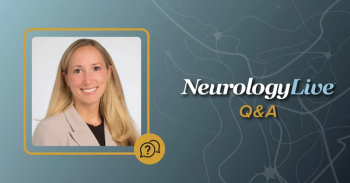
Updated 1-year findings from KYSA-8 were presented at the 10th Joint ACTRIMS-ECTRIMS Meeting (MSToronto 2026), held October 21-23, 2026, in Toronto, Ontario, Canada. To discuss the findings, NeurologyLive® spoke with Amanda L. Piquet, MD, professor of neurology at the University of Colorado Anschutz, who reviewed the sustained improvements observed across measures of walking ability, neurologic disability, and stiffness. Piquet also discussed the safety findings, including the absence of high-grade cytokine release syndrome (CRS) or immune effector cell-associated neurotoxicity syndrome (ICANS), and the observation that clinical benefits continued despite B-cell reconstitution in a proportion of patients.

Looking ahead, Piquet emphasized the importance of longer-term follow-up to determine how durable these responses will be. Although early reports from compassionate-use cases have described sustained benefits beyond 2 years, continued monitoring of the KYSA-8 participants will help establish the long-term potential of CAR T-cell therapy in SPS.

Related to this article