
Opinion|Videos|October 12, 2026
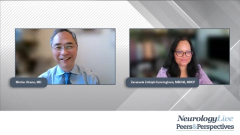
TK2D Natural History, Mitochondrial Mechanism, and Multidisciplinary Care
Untreated survival ranges from about one year to two decades by onset age. Disease biology explains why muscle fails first, and early attention to swallowing and nutrition shapes outcomes.
Advertisement
Episodes in this series
"TK2D Natural History, Mitochondrial Mechanism, and Multidisciplinary Care" moves from onset-based phenotypes to prognosis, biology, and the care team.
Dr. Hirano asks how long patients can expect to live after onset without treatment. Dr. Zolkipli-Cunningham says clear natural history data exist. The youngest patients, particularly those under age 2, have the poorest outcomes and substantially higher mortality. A 2018 study showed median survival of about one year after onset in infantile disease. A 2026 study found a median of 2.6 years from onset to death in patients with onset before age 12, versus up to two decades with onset after age 12.
Turning to mechanism, Dr. Zolkipli-Cunningham explains that the TK2 gene encodes thymidine kinase 2, an enzyme in the mitochondrial matrix that is essential to the pyrimidine nucleotide salvage pathway. It phosphorylates thymidine and deoxycytidine, which are ultimately converted to the triphosphates needed for mitochondrial DNA synthesis. When TK2 activity falls, the deoxynucleotide pool becomes imbalanced. Models show this causes mitochondrial DNA depletion or deletions, oxidative phosphorylation defects, and reduced ATP in energy-dependent tissue such as skeletal muscle.
Dr. Hirano then asks which specialists should be involved. She says patients must be identified quickly and often present to primary care, neurology, neuromuscular, or genetics offices. Because TK2D is mitochondrial, any organ system can be involved. She recommends cardiology with echocardiogram and EKG, and pulmonology to assess breathing and nocturnal hypoventilation, which may require BiPAP. Gastroenterology, therapy services, primary care, urology, and social work also contribute.
He asks how to intervene when dysphagia causes weight loss. She says clinicians must watch for aspiration pneumonia, use barium swallow assessments, and ensure adequate nutrition, since ATP comes from food. Some patients need a long-term G-tube, and families should share that decision. Dr. Hirano notes that respiratory failure and pneumonia are leading causes of mortality, and she cautions that bulbar symptoms are not always apparent.
In "TK2D Case 1: Severe Early-Onset Presentation in a Four-Year-Old," Dr. Hirano presents a four-year-old girl with progressive weakness and feeding difficulty, and the panel works through what makes the diagnosis.
This program was supported by an independent medical education grant from UCB. the content was developed independently by NeurologyLive and the faculty. UCB has no control over the speakers, content, discussion or conclusions presented.
Advertisement
Related to this article

Here's some of what is coming soon to NeurologyLive® this week.
Test your neurology knowledge with NeurologyLive®'s weekly quiz series, featuring questions on a variety of clinical and historical neurology topics. This week's topic is recent therapeutic advances in MS!
Take 5 minutes to catch up on NeurologyLive®'s highlights from the week ending October 9, 2026.
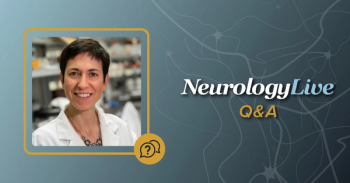
Carmela Tartaglia, MD, FRCPC, discusses the challenges of diagnosing frontotemporal dementia, the evolving role of biomarkers, and emerging approaches to disease modification.
Catch up on any of the neurology headlines you may have missed in September 2026, compiled into 1 place by the NeurologyLive® team.
Newly announced Phase 4 THRIVE trial results showed most patients who previously had an inadequate response to a CGRP-targeting therapy improved with eptinezumab over 24 weeks.
Phase 3 ARISE trial results show solengepras 150 mg significantly reduced OFF time and improved motor and non-motor symptoms in Parkinson disease.
An MDS 2026 plenary speaker discusses the evolving role of infusion therapies, deep brain stimulation, and focused ultrasound in Parkinson disease, including when to consider device-aided therapies and how treatment selection can be individualized.
Advertisement
Advertisement
Trending on NeurologyLive - Clinical Neurology News and Neurology Expert Insights
1
Solengepras Meets Primary Endpoint in Phase 3 ARISE Trial of Parkinson Disease
2
CSF Biomarkers Identify Shared LRRK2 Pathway Activation in Sporadic and LRRK2-Associated Parkinson Disease
3
Advanced Therapies in Parkinson Disease: Matching the Right Treatment to the Right Patient
4
Central Vein Sign, PRLs, and the Future of MS Imaging
5