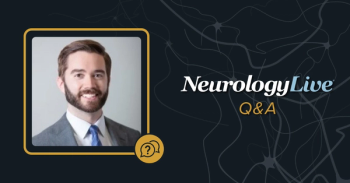
Brian Snelling, MD, director of the stroke program at Marcus Neuroscience Institute discussed delays in calling 911 after stroke onset, gaps in awareness of atypical symptoms, and how to reach underserved populations.
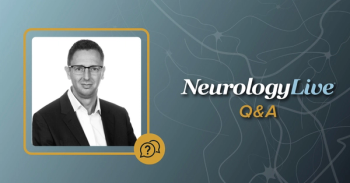
Shadi Yaghi, MD, FAHA, Chair of Neurology at Hackensack Meridian Neuroscience Institute at Jersey Shore University Medical Center, discusses a new calculator that predicts stroke risk within 30 days of a procedure.
About 1 in 4 adults worldwide will have a stroke in their lifetime, and for patients undergoing surgery, a postprocedural stroke can mean permanent disability, a longer hospital stay, or death. For World Stroke Day, NeurologyLive spoke with the researcher behind a web-based calculator that uses information already in a patient’s medical record, such as age, prior stroke, and narrowed blood vessels, to estimate the risk of stroke within 30 days of a procedure. Published in the Journal of the American Heart Association in June 2026, the tool was built from nearly 445,000 procedures across three hospitals and achieved an area under the curve of 0.87 in the development cohort and 0.86 in external validation.
Shadi Yaghi, MD, FAHA: Stroke is one of the most devastating complications following surgery, often resulting in permanent disability, prolonged length of stay, and even death. As stroke neurologists, we frequently care for patients who experience these complications and recognize the importance of identifying those at risk before a procedure. Existing risk calculators often exclude high-risk procedures and overlook important cerebrovascular conditions, such as carotid stenosis and intracranial atherosclerosis. Our goal was to develop a practical, reliable tool that uses information already available in electronic medical records to provide individualized estimates of stroke risk within 30 days of a procedure.
Our study included nearly 445,000 procedures across three hospitals. Some of the strongest predictors of ischemic stroke were prior stroke or transient ischemic attack, intracranial atherosclerosis, carotid artery stenosis, and the type and setting of the procedure. For example, patients with a history of stroke or TIA had nearly sevenfold higher odds of postprocedural stroke. Vascular, neurosurgical, and open cardiovascular procedures were also associated with higher risk. We developed a risk calculator that demonstrated excellent predictive performance, with an AUC of 0.87 in the development cohort and 0.86 in the external validation cohort, indicating a strong ability to distinguish higher-risk from lower-risk patients.
The greatest value of this calculator is identifying high-risk patients before surgery, when there may still be opportunities to reduce their risk. For example, patients deemed at high risk may benefit from additional neurological evaluation, optimization of vascular risk factors, and individualized perioperative management plans. In some cases, the findings may also influence the timing or type of procedure. The calculator is not intended to replace clinical judgment but to help physicians and patients make more informed decisions.
One of the major advantages of our calculator is that it uses information readily available in electronic health records, making integration into preoperative workflows relatively straightforward. The main challenges will be ensuring consistent data collection across hospitals and incorporating the tool into clinical practice without adding unnecessary workload. Although our model performed very well, additional validation across diverse healthcare settings will be important. We also hope to evaluate whether using the calculator to guide clinical decisions can actually reduce postprocedural strokes.
Predictive tools like ours represent an important step toward personalized stroke medicine. While we have made tremendous advances in treating stroke, preventing it before it occurs remains our ultimate goal. I envision these tools becoming integrated into electronic health records, automatically identifying high-risk patients and helping clinicians develop individualized prevention strategies. Ultimately, our goal at Hackensack Meridian Health is to translate research into better patient care, using data not just to predict strokes but, more importantly, to help prevent them.