

Conference Coverage
about 20 hours ago
Remibrutinib Lowers Relapse Rate vs Teriflunomide in Relapsing MSLatest News

Oct 24, 2026 | News
Tenecteplase Benefit Before Thrombectomy Varies by Stroke Cause, Study Shows

Houston Forum Highlights Awareness Gaps in NF1 Plexiform Neurofibroma Care
Oct 24, 2026

Remibrutinib Lowers Relapse Rate vs Teriflunomide in Relapsing MS
Oct 23, 2026
NeurologyLive® Friday 5 — October 23, 2026
Oct 23, 2026

Endovascular Therapy Benefit in Distal Vessel Stroke Tied to Severity, Not IVT Status
Oct 23, 2026





Advertisement
Shorts

1:43
Spinal Cord Imaging in MS: Clinical Impact and the Need for Reliable AI
a day ago
by
Julien Cohen-Adad, PhD(+1 more)

1:25
How AI Is Expanding Access to Real-Time Seizure Detection
a day ago
by
Rammohan Sankaraneni, MD, MBBS, FAAN, FAES

1:25
Where Should Future AI Research in Neurology Be Focused?
a day ago
by
Rammohan Sankaraneni, MD, MBBS, FAAN, FAES

0:52
MSToronto 2026: Multiple Sclerosis Progression Remains an Unmet Need
2 days ago
by
Dinesh Sivakolundu, MD, PhD(+1 more)

1:40
MSToronto 2026: Vidofludimus Calcium and Potential Neuroprotective Effects
2 days ago
by
Robert Fox, MD(+1 more)
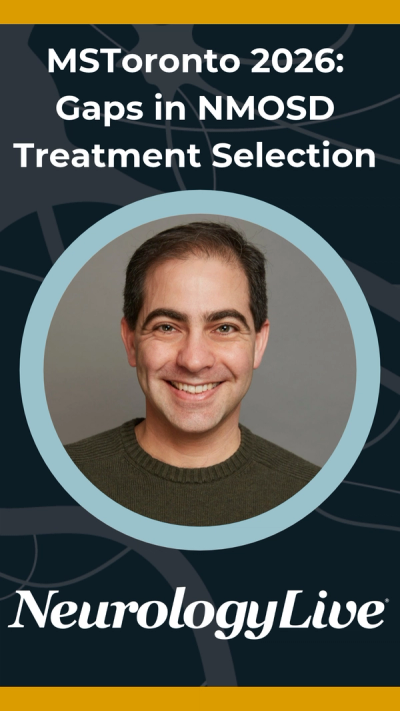
0:49
MSToronto 2026: Gaps in NMOSD Treatment Selection
3 days ago
by
Michael Levy, MD, PhD(+1 more)
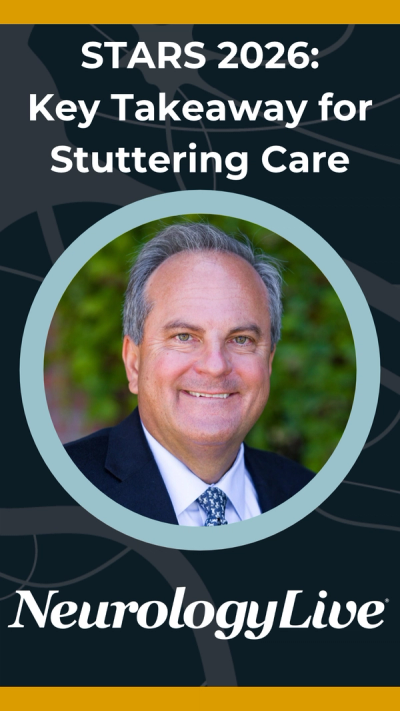
1:22
STARS 2026: Key Takeaway for Stuttering Care
4 days ago
by
Gerald Maguire, MD(+1 more)

1:10
Part 5: What's the Biggest Gap in Pediatric Neurology Care Right Now?
4 days ago
by
M. Scott Perry, MD(+1 more)

1:23
Part 4: What's the Biggest Gap in Pediatric Neurology Care Right Now?
5 days ago
by
Isabella Ciccone, MPH(+1 more)

1:08
Part 3: What's the Biggest Gap in Pediatric Neurology Care Right Now?
5 days ago
by
Jonathan Santoro, MD(+1 more)
The G.L.O.B: Dr. Gatson's Living Oncology Brainstorm Column
This new column translates complex neuro-oncology topics into accessible, evidence-based insights.
Mind Moments Podcast
Mind Moments® is a biweekly podcast from NeurologyLive that brings you exclusive interviews with neurology experts.

NeuroVoices
NeuroVoices is weekly series of in-depth, exclusive Q&A conversations with a variety of experts in neurology.
Clinical Trial in Focus
Every month, an ongoing clinical trial in the landscape of neurology is featured, highlighting the design of the study.

Brain Chat with the Nerdy Neurologist
Check out the "Brain Chat with the Nerdy Neurologist" podcast hosted by multiple sclerosis specialist Mitzi Joi Williams, MD.
Videos



Podcasts

Continuing Medical Education











Advertisement
All News
Advertisement
The FDA set a first quarter 2027 goal date for troriluzole in spinocerebellar ataxia and plans an advisory committee after a 2025 complete response letter.

A pooled analysis of 4 randomized trials found that more time with blood pressure below 130 mmHg after intracerebral hemorrhage reduced recurrent stroke risk.
A phase 2 trial found liposomal mitoxantrone hydrochloride had an acceptable safety profile and a potential trend toward fewer relapses in neuromyelitis optica spectrum disorder.

The phase 2 FENerations1 study is an open-label, single-arm, small-scale study evaluating fenebrutinib dosing in 8 to 12 children and adolescents with relapsing MS.

Data from the real-world, CONFIDENCE study found switching from intravenous to subcutaneous ocrelizumab was well tolerated in patients with relapsing and primary progressive MS.

Open-label extension data showed that disability trends observed with vidofludimus calcium during the double-blind period of the phase 2 CALLIPER trial persisted with continued treatment in progressive MS.

Fast Track status covers AV-1959R, an investigational amyloid-beta vaccine, for preventing Alzheimer disease in cognitively unimpaired adults with amyloid pathology.

Early phase 1 data in 3 patients suggest CTA313, an allogeneic CD19/BCMA CAR-T, may stabilize disability with a manageable safety profile in progressive MS.

One-year data from the phase 3 AQUARELLE study found that divozilimab, an anti-CD20 antibody, reduced relapse risk in patients with neuromyelitis optica spectrum disorder.
The chief research and medical affairs officer at the National MS Society discussed AI-enabled imaging, biomarkers of progression, women's health across the lifespan, and the Society's Campaign to End MS.
Advertisement

Decade of OPERA Data Supports Early Ocrelizumab Treatment Initiation in Relapsing Multiple Sclerosis
A newly published 10-year analysis of the OPERA I and II trials reported that starting ocrelizumab 2 years earlier was associated with less disability accrual in relapsing MS, with no new safety signals.

Clene has filed an NDA seeking accelerated approval of CNM-Au8 for ALS, following 2 missed primary trial endpoints and years of evolving FDA guidance.

In a 16-person placebo-controlled trial, every cognitively unimpaired adult given AV-1959R developed anti-amyloid-beta antibodies, while placebo recipients stayed at baseline.

Newly presented post hoc analyses examined diazepam nasal spray for status epilepticus in seizure clusters and intervals between clusters in children, alongside real-world data on rescue medication prescribing.

A retrospective 10-center U.S. study found stiripentol reduced convulsive seizure frequency, status epilepticus episodes, and emergency health care use in patients with Dravet syndrome.
Advertisement
Advertisement
Trending on NeurologyLive - Clinical Neurology News and Neurology Expert Insights
1
Remibrutinib Lowers Relapse Rate vs Teriflunomide in Relapsing MS
2
FDA Accepts Troriluzole NDA Resubmission for Spinocerebellar Ataxia
3
Real-World Data Show Switch to Subcutaneous Ocrelizumab Well Tolerated
4
Early Data Show Dual-Targeting CAR-T Agent CTA313 Stabilizes Progressive Multiple Sclerosis
5