Articles by Elaine Wirrell, MD
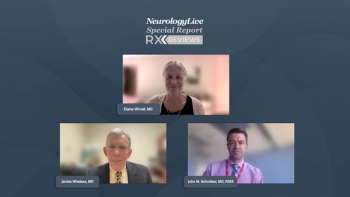
The panelists discuss the safety profile of zorevunersen, highlighting the low rate of treatment discontinuations, the nature of CSF protein elevation as an asymptomatic laboratory finding, and why the safety conversation with families is fundamentally different from any discussion about standard antiseizure medications.
The panelists discuss the non-seizure outcomes from the zorevunersen studies, including incremental developmental gains on the Vineland Adaptive Behavior Scales across three years, meaningful improvements in communication, and what it means for families when their children gain functional skills that the natural history of Dravet would have predicted they would lose.
The panelists discuss the seizure efficacy data for zorevunersen, including 60 to 90% median reductions in motor seizures at the optimal dose, the absence of the honeymoon effect that commonly limits antiseizure medications in Dravet, and what sustained response over multiple years means for patients and clinicians.
The panelists discuss the four-study development program for zorevunersen -- MONARCH, SWALLOWTAIL, ADMIRAL, and LONGWING -- describing how the clinical research was structured to assess dosing, safety, and both seizure and non-seizure outcomes in an exceptionally treatment-resistant patient population.
The panelists walk through the antisense oligonucleotide mechanism of zorevunersen, explaining how it targets the wild-type SCN1A allele to increase NaV1.1 protein production, and why this approach is uniquely suited to the genetics of Dravet syndrome.
The panelists discuss the critical shift from seizure-focused management to targeting the underlying genetic etiology of Dravet syndrome, drawing on natural history data that shows developmental impairment progresses independently of seizure control.
Three epileptologists set the stage on Dravet syndrome, exploring the biological underpinnings of the disease, the cascading burden it places on patients and families, and why this condition demands far more than seizure management.
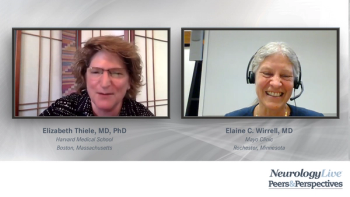
Two experts explain the impact of the drug fenfluramine’s FDA approval in the treatment of Dravet syndrome.
Drs Thiele and Wirrell continue analyzing the benefits of cannabidiol as a therapeutic option for patients with Dravet or Lennox-Gastaut syndromes.
The director of pediatric epilepsy and professor of neurology at Mayo Clinic details the rampant acceleration of telemedicine and how her practice is adjusting to the COVID-19 pandemic.

