Now Playing
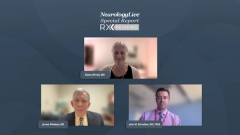
Three epileptologists set the stage on Dravet syndrome, exploring the biological underpinnings of the disease, the cascading burden it places on patients and families, and why this condition demands far more than seizure management.
Dravet syndrome begins deceptively. Infants who appear completely normal in the first year of life develop their first seizures, often triggered by fever and frequently prolonged or hemiconvulsive. As children move into their second year, new seizure types emerge and the developmental trajectory shifts sharply, giving way to cognitive challenges, behavioral problems, autism, sleep disturbances, and a constellation of medical comorbidities that persist and compound over time.
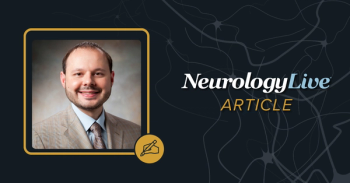
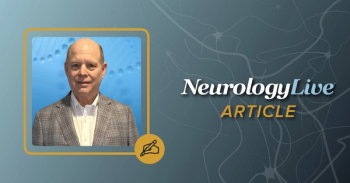
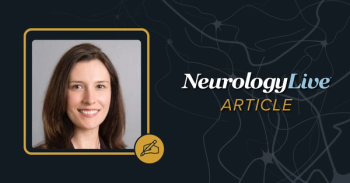
Dr. Wheless opens by describing the profound toll this disease takes on families who watched what appeared to be a healthy infant become a child with medically refractory seizures and significant neurological impairment. He notes that Dravet is among the more common of the rare genetic epilepsies and one of the few for which a genetic marker is consistently identified, yet its clinical complexity makes it exceptionally difficult to manage.
Dr. Wirrell adds the molecular dimension, explaining that the vast majority of Dravet cases are caused by loss-of-function variants in SCN1A, leading to NaV1.1 protein insufficiency, cortical disinhibition, and hyperexcitability -- a chain that produces seizures, neurodevelopmental impairment, and heightened risk of SUDEP through parasympathetic dysregulation. She notes that understanding this pathology clearly points toward what a meaningful therapeutic target could look like.
Dr. Schreiber emphasizes that as children develop, certain manifestations become increasingly prominent for families, particularly communication deficits. While seizures remain the medically urgent presentation, the developmental and behavioral dimensions of the disease are continuous, affecting daily life in ways that seizure control alone cannot address. All three panelists converge on the point that the field has reached a moment where the biology is well understood and the therapeutic opportunity is real.
In the next episode, the panelists examine how the field's understanding of Dravet has evolved, from viewing it primarily as a seizure disorder to recognizing the SCN1A mutation as the upstream driver of the full disease picture.