

Garth T. Whiteside, PhD, head of preclinical development at Imbrium Therapeutics, discussed a phase 2 clinical study that explored the use of sunobinop in patients with insomnia during recovery from alcohol use disorder.

Isabella Ciccone, Content Associate, NeurologyLive®, has been with the team since September 2022. Follow her on X @iciccone7 or email her at iciccone@mjhlifesciences.com
Garth T. Whiteside, PhD, head of preclinical development at Imbrium Therapeutics, discussed a phase 2 clinical study that explored the use of sunobinop in patients with insomnia during recovery from alcohol use disorder.
Following the initiation or switch to a new migraine preventive medication, patients taking galcanezumab showed numerically greater 3-month improvements for most measures of health-related quality of life and disability.
The combination of both REN and gepants for acute migraine treatment may have an increased efficacy compared with REN alone, an expected result based on the different actions of the treatments.

The use of intravenous ketamine in pediatric patients with refractory headaches resulted in a median pain reduction of 50% at discharge and nearly two-third of patients did not need further rescue therapies 1 month posttreatment.
Elizabeth K. Seng, PhD, associate professor at Yeshiva University and Albert Einstein College of Medicine, talked about migraine management through the lens of behavioral factors that clinicians can recommend and encourage to their patients.

Allison Verhaak, PhD, a clinical psychologist from Ayer Neuroscience Institute at Hartford Healthcare Headache Center, discussed focus group and survey data on themes in migraine-related stigma, and the importance of creating a migraine specific stigma scale.
A retrospective cohort study observed no significant difference in the number of patients who discontinued concurrent peripheral nerve blocks and onabotulinumtoxinA, which the authors recognized as a marker of clinical relevance.
Investigators concluded that the increased prevalence of medication-overuse headache might be because of the lack of understanding about the condition in both providers and patients with migraine.
Findings from a subgroup analysis investigating kinetic oscillation stimulation showed that the treatment potential might be an effective and safe option for preventing chronic migraine.

Patients with Parkinson disease who were inpatients had significant impacts on their length of stay, readmissions, and morbidity after hospitalization when administered contraindicated medications.

In a recent survey, a group of advanced practice providers recognized the importance and considered the emotional impact of the unexpected return of symptoms on the life of a patient with Parkinson disease.

Results from the phase 3 LAVENDER trial investigating trofinetide (Daybue; Acadia), which supported the first FDA-approved treatment for Rett syndrome, were recently published in Nature Medicine.
Over a 5-year period in a study, both insomnia protective and risk factors in adults were observed as significantly associated with the sleep disorder, offering valuable insights for prevention strategies.

The FDA is set to make a final decision in July 2023, and if approved, lecanemab would join aducanumab as the only antiamyloid therapies available to treat early-stage Alzheimer disease.

Patients given slow oscillatory transcranial direct current stimulation during sleep recalled significantly more words 2 hours post-awakening compared with the sham group.
Preclinical findings show the potential of samelisant, a potent and orally active Histamine H3 receptor inverse agonist, as a potential treatment for patients with Parkinson disease who experience excessive daytime sleepiness.

According to a recent study presented at SLEEP 2023, the decline in MOCA scores in patients with mild cognitive impairment was associated with the degree of hypoxia observed from sleep studies.

Carolyn H. Goldschmidt, DO, a neurologist at NorthShore University Health System in Chicago, talked about a retrospective study analyzing disease-modifying therapies in multiple sclerosis patients at CMSC 2023.

Patients with multiple sclerosis who presented with high-stress maintained their stress management practice through later protocol sessions, according to a study a recent study.

At the 2023 CMSC Annual Meeting, Christopher C. Hemond, MD, assistant professor of neurology at UMass Chan Medical School, provided an overview of his study on mindfulness-based stress reduction in patients with MS using MRI and patient outcomes.

In recognition of World MS Day, Meghan Beier, PhD, MA, a health and rehabilitation psychologist at the Rowan Center for Behavioral Medicine, discussed the effects of multiple sclerosis (MS) on cognitive function.
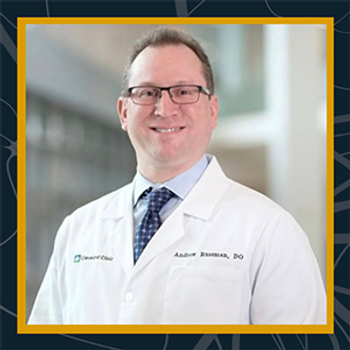
As part of our monthly clinician spotlight, NeurologyLive® highlighted stroke expert Andrew Russman, DO, head of the Stroke Program and medical director of the Comprehensive Stroke Center at Cleveland Clinic.

Fifty-four percent of patients with ALS carried at least one detrimental common variant or repeat expansion, highlighting the clinical impact of gene variants as modifiers in ALS.

Study shows that digital devices can provide objective and real-world measures of Parkinson disease, capturing key motor and nonmotor features of for early diagnosis of the neurodegenerative disorder.
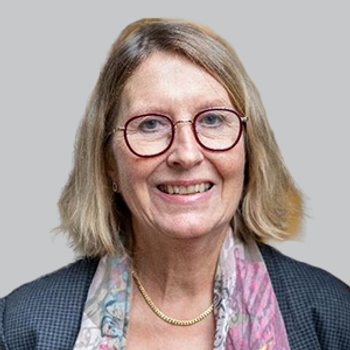
Poststroke patients who engaged in at least 4 hours of physical activity per week had a higher likelihood of a mild stroke and had smaller hematoma volumes on admission.
In honor of National Stroke Awareness Month, held May 2023, get caught up on some of the latest news in stroke as the NeurologyLive® team shares some of our data updates.

A recent published study highlighted the importance of environmental risk factors for Parkinson disease, such as exposure to trichloroethylene and other volatile organic compounds.
In honor of ALS Awareness Month, held May 2023, get caught up on some of the latest news in amyotrophic lateral sclerosis as the NeurologyLive® team shares some of our data updates.
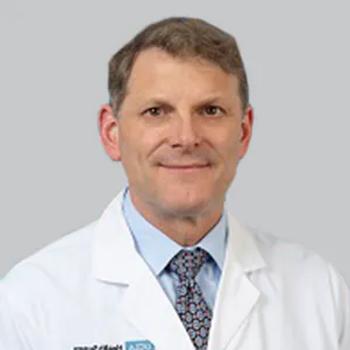
Steven C. Cramer, MD, stroke neurologist and professor of neurology at UCLA, talked about the 3 main types of rehab therapy given to poststroke patients and the significant disparities in access.

Anand Patel, MD, CPI, chief medical officer at Conquest Research, discussed a phase 2 study that investigated the efficacy and safety of LX9211, an oral medication targeting neuropathic pain.