

Patients on lasmiditan had 3.8–7.2 times greater odds of achieving pain freedom at 2 hours compared to placebo in at least 2 out of 3 migraine attacks.

Marco Meglio, Assistant Managing Editor for NeurologyLive, has been with the team since October 2019. Follow him on Twitter @marcomeglio1 or email him at [email protected]
Patients on lasmiditan had 3.8–7.2 times greater odds of achieving pain freedom at 2 hours compared to placebo in at least 2 out of 3 migraine attacks.

Phase 2 results demonstrated proof-of-concept for treatment with neflamapimod, suggesting the need for a phase 3 study in the coming future.

The upcoming phase 2b/3 study of mesdopetam in patients with Parkinson disease is set after the results of previous successful phase 1, phase 2a, and phase 2 studies.
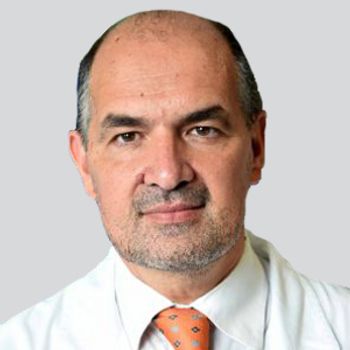
Nearly two-thirds of patients achieved developmental motor milestones not observed in the natural history of SMA Type 1 at a mean duration of follow-up of 10.6 months.
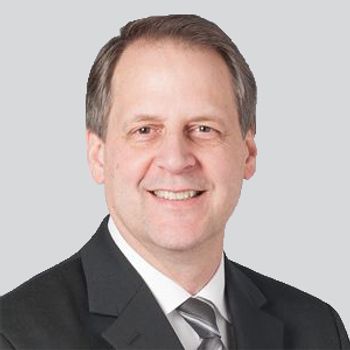
James Leverenz, MD, director of the Lou Ruvo Center for Brain Health at Cleveland Clinic, discussed the strides made in Alzheimer disease research and the importance of diversity in research populations.

Linear mixed effects models revealed that anticholinergic medications predicted a steeper slope of decline in memory and language with effects exacerbated in individuals with Alzheimer disease risk factors.

The Clinical Global Impression of Change and Caregiver Global Impression of Change scores suggest improvements extending beyond motor seizure frequency reduction in both patients with CDD and Dup15q.

The results confirmed that roughly almost 15% of cases are linked to genes and ultimately led to recommendations for more tailored treatments of 3 patients.

Jonathan Graff-Radford, MD, neurologist at Mayo Clinic, discussed how recent diagnostic advancements have propelled research efforts into uncharted territory.

The use of statins was also associated with a reduced risk of SUDEP, but there were no reduced risks with SSRIs or other antidepressants, neuroleptics, or beta-blockers.

The primary objective of the trial is to demonstrate that lorcaserin has superior efficacy compared to placebo as measured by percent change in frequency of convulsive seizures per 28 days.

The findings were consistent with the drug's previously reported safety profile and no new safety signals were observed.
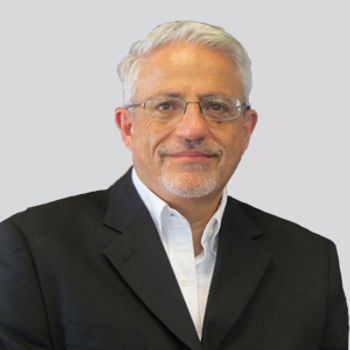
The funding will offer additional benefit for the HABLE and HABLE-AT(N) studies with the ability to better classify and categorize participants into groups by dementia type and disease stage.

The vaccine could be given therapeutically to individuals living with a diagnosis of AD to inhibit further disease progression.

The study investigators noted that a higher gravidity and parity number was not associated with a delay in CIS onset.

Researchers concluded that uptitration of ponesimod was not associated with clinically significant bradyarrhythmia events; none were serious or lead to discontinuation.

Martina Bebin, MD, professor of neurology and pediatrics at the University of Alabama at Birmingham Epilepsy Center, detailed the importance of cannabidiol for treatment of TSC.

Markov model analysis showed an average gain of 39 days of disability-free life for every 10 minutes of earlier treatment with EVT.

In the third year of treatment, both dose cohorts did not experience any contrast-enhancing lesions, and only a small population in the Barcelona center showed new T2 lesions.

Notably, no patients received a dose and route consistent with national guidelines.

Patients with lower levels of disability tended to report fatigue as the most impactful symptom in daily life.

The results support continued development in Alzheimer disease and in patients with mid-stage Huntington disease who suffer from greater cognitive deficits.

Treatment with ocrelizumab can improve freedom from individual events in patients with relapsing-remitting multiple sclerosis regardless of suboptimal DMT response in the past.
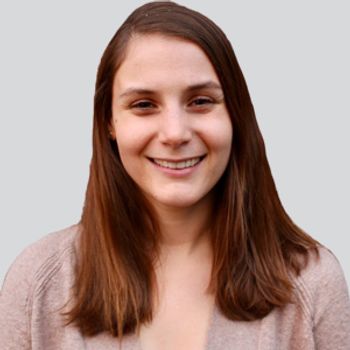
Future research may help better characterize whether fatigue interventions aimed at one patient population may be effective in the other.
In honor of World Alzheimer’s Day, NeurologyLive is sharing some of the latest clinical developments and thoughts from leaders in the field.

Along with being generally well tolerated, ozanimod was able to help most patients become relapse free without disability progression.

The results point to the potential for sumifilam to become a transformative treatment for patients with Alzheimer disease.

Two posters presented at MS 2020 confirm satralizumab’s ability to reduce protocol-defined relapse including in patients with treatment-naïve NMOSD.
The investigational drug consistently increased the proportion of patients no longer suffering from daytime sleepiness during treatment.

In part 2 of this interview, Leah Croll, MD, a neurology resident on the front lines of the COVID-19 pandemic, describes how her resident program experience was impacted by the pandemic.