

Annual progression rates to dementia were 14.7% for those with mild behavior impairment and 8.3% for the those without neuropsychiatric symptoms, with reversion rates of 2.5% and 5.3%, respectively, for each group.

Marco Meglio, Assistant Managing Editor for NeurologyLive, has been with the team since October 2019. Follow him on Twitter @marcomeglio1 or email him at mmeglio@neurologylive.com
Annual progression rates to dementia were 14.7% for those with mild behavior impairment and 8.3% for the those without neuropsychiatric symptoms, with reversion rates of 2.5% and 5.3%, respectively, for each group.

In a sensitivity analysis that excluded women with evidence of possible demyelinating events before MS diagnosis, the associations between pregnancy-related ICD-10 code recording and disease risk were even more pronounced.
FDA panelists expressed concern over the drug's efficacy and data analysis, indicating the need for a confirmatory clinical trial.

In preclinical studies, the investigational agent has demonstrated a clearance of both pyroglutamate modified and unmodified Aß plaque in brain tissue concentrations.
The neurologist and assistant professor at the University of Toronto addressed the issues within Alzheimer drug development, the boom of biomarkers, and how retinal imaging can have a multilevel positive impact.
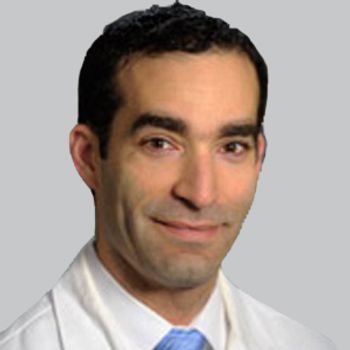
A study recently demonstrated that targeting longer-term intensive blood pressure control over a 4-year period may be associated with a subtle but significant increase in cerebral blood flow.

The investigators concluded that the MIDAS questionnaire may be a useful tool in the development, testing, and prescription of cost-effective medications for those with migraine whose direct and indirect costs are high.

Patient respondents documented a minimum acceptable treatment benefit of 39% if it meant it reduced their risk of long-term problems from 10% to 0%, and a lower chance of benefit to undergo noninvasive over invasive surgery.

Abnormal scores on cognitive testing persisted in 50% of patients without a pre-COVID history of cognitive abnormalities, irrespective of the presence or absence of a neurological complication during hospitalization.

The decision expands the indication of Fintepla, developed by Zogenix, beyond Dravet syndrome to pediatric patients age 2 years and older with the developmental and epileptic encephalopathy.

Jefferson Kinney, PhD, founding chair of the department of brain health at UNLV, discussed the ways a new NIH grant will assist in building a robust neuroscience research infrastructure at the Center for Neurodegeneration and Translational Neuroscience.

Neurology News Network for the week ending March 26, 2022. [WATCH TIME: 4 minutes]
Catch up on any of the neurology news headlines you may have missed over the course of the last month, compiled all into one place by the NeurologyLive® team.

During Cerebral Palsy Awareness Month, leaders in the field expressed their love for the CP community, the progress made in managing the disorders, and the steps needed to advance care into a realm never before seen.

The overall attributable fraction of multiple sclerosis due was 13.1%, in comparison with just 0.6% of ex-smokers, indicating the beneficial effects of smoking cessation.

Perceived negative effects on health care included disruption of interventional treatments that required in-person contact, concerns about losing healthcare providers, reluctance to use urgent care, and difficulty in obtaining certain medications due to shortages.

The risk of autism after perinatal ischemic stroke and childhood stroke was 2.7-fold and 3.30-fold, respectively, compared with matched controls in the study.
The founding chair of the department of brain health at UNLV discussed a recently awarded NIH grant dedicated to advancing neuroscience research for the long-term future.

In addition to the moderating role of age and sex, investigators found that high-sensitivity C-reactive protein moderated some associations between OSA risk and attention and episodic memory.

Eleven of the 12 individuals demonstrated at least a 50% reduction in creatine kinase, with 75% of participants reaching twice the normal range, suggesting a reduction in muscle breakdown.

More than 90% of the 65-patient cohort had evidence of normal swallowing and had no aspiration or pneumonia aspiration events reported in the phase 1 START and phase 3 STRIVE-EU and STRIVE-US trials.

In terms of cardiomyopathy, disease-modifying bioactivity of cardiosphere-derived cells was shown by improvements in left ventricular ejection fraction, a commonly used measure of global heart function.

Kaplan-Meier estimates showed a 61% decreased risk of death on CNM-Au8 compared with predicted median survival from a published European Network to Cure ALS model.

The American Academy of Sleep Medicine has previously pointed to evidence showing that the sudden change from standard time to daylight saving time is associated with significant public health, safety risks, and circadian rhythm.
The newly awarded grant will build upon the efforts of phase 1, the foundation of a research infrastructure, which consisted of several different innovative projects aimed at understanding commonalities of neurodegenerative disorders.

After a mean follow-up of 64 days, the most common adverse events were infections and vomiting, with no deaths or reports of post-lumbar puncture syndrome.

Using qualitative exploratory and quantitative validated questionnaires, investigators saw preparation and assessment time reduced by one-third, with a 60% increase in patient encounters to subspecialty services, compared with the period prior to the COVID-19 pandemic.

Amyloid-related imaging abnormalities, a concern for patients receiving aducanumab, were nearly all resolved during the 132-week period.

Vamorolone, an investigational agent for Duchenne muscular dystrophy, showed an initial disease-modifying effect that was maintained over a follow-up period of 48 weeks.