







Dr Lewis describes the various investigational therapies that are underway with the potential to change the current treatment landscape of CIDP.

Dr Lewis describes the various investigational therapies that are underway with the potential to change the current treatment landscape of CIDP.
Expert neurologist Dr Lewis discusses the effect CIDP can have on the quality of life of a patient with CIDP as well as the unmet needs of the disease.
Dr Lewis gives an overview of the current treatment landscape of CIPD, including response rates to available treatments.
Expert neurologist Dr Lewis reviews the red flag symptoms of CIPD that should prompt a referral your patient.
Dr Lewis discusses diagnosis of CIDP, the broad differential diagnosis to keep in mind and common misdiagnosis.
The professor of neurology at Cedars-Sinai Medical Center talked about efgartigimod as a novel treatment for chronic inflammatory demyelinating polyneuropathy, with the potential of it being a first-line treatment for patients with the condition. [WATCH TIME: 3 minutes]
Expert neurologist Dr Lewis discusses the ‘typical’ and CIDP variants, and the new criteria for the variants in the updated guidelines.
Dr Lewis gives a comprehensive overview of CIDP and describes the most common symptoms seen in patients.
The professor of neurology at Cedars-Sinai Medical Center talked about findings from the ADHERE trial assessing efgartigimod, a human IgG1 antibody Fc fragment, as a treatment for patients with chronic inflammatory demyelinating polyneuropathy. [WATCH TIME: 6 minutes]

Results showed that 67% of treated patients in Stage A demonstrated evidence of clinical improvement, indicating that IgG autoantibodies play a significant role in the underlying biology of CIDP.

Patients on Hyqvia experienced longer time to relapse compared with those on placebo, with Kaplan-Meier estimate curves separating early, at approximately week 4.

CSL Behring's subcutaneous immune globulin is the first and only immune globulin available in prefilled syringes for patients with primary immunodeficiency or chronic inflammatory demyelinating polyneuropathy.

New study data showed nerve ultrasound had a sensitivity of 97.4% and specificity of 78.9%, with an added value in the detection of treatment-responsive chronic inflammatory neuropathy of 21.1%.
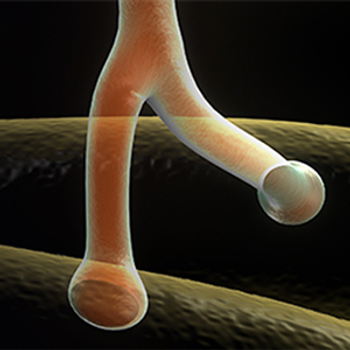
This guide includes everything you need to know about subcutaneous immunoglobulin (Hizentra, CSL Behring) in the treatment of chronic inflammatory demyelinating polyneuropathy as well as primary immunodeficiency.

The director of the electromyography laboratory and a professor of neurology at Cedars-Sinai discussed the misdiagnosis of the rare condition.
The director of the electromyography laboratory and a professor of neurology at Cedars-Sinai spoke about the treatment options for CIDP.

Jeffrey Allen, MD, spoke about the breakthrough barrier in CIDP and the importance of the guidelines for diagnosis.