
The combination of both REN and gepants for acute migraine treatment may have an increased efficacy compared with REN alone, an expected result based on the different actions of the treatments.
The combination of both REN and gepants for acute migraine treatment may have an increased efficacy compared with REN alone, an expected result based on the different actions of the treatments.
The director of the Pediatric Headache Program at the Children’s Hospital of Philadelphia talked about the usage of an integrated EHR questionnaire to improve the likelihood of specific diagnosis in pediatric headache. [WATCH TIME: 5 minutes]
The pain management specialist and headache neurologist at the University of California San Diego Center for Pain Medicine provided perspective on how cannabis may be used in the management of migraine as more evidence is uncovered. [WATCH TIME: 3 minutes]

Data showed similar rates of discontinuation because of adverse events between those with and without CGRP monoclonal antibodies, as well as no serious AEs observed for those on concomitant medication.
The postdoctoral researcher at Harvard Medical School discussed the relationship between sensory neurons and the neuropeptide CGRP in regulating gut immunity. [WATCH TIME: 6 minutes]

The use of intravenous ketamine in pediatric patients with refractory headaches resulted in a median pain reduction of 50% at discharge and nearly two-third of patients did not need further rescue therapies 1 month posttreatment.
The associate professor at Yeshiva University and Albert Einstein College of Medicine discussed the significance of recognizing the behavioral aspects of migraine management such as lifestyle choices, medical interventions, and societal influences. [WATCH TIME: 4 minutes]
The headache specialist at the Hartford Healthcare Headache Center discussed a study that explored changes in the vasculature and retinal blood perfusion of the eye during migraine attacks. [WATCH TIME: 5 minutes]
Compared with the overall population, outcomes for the coprimary end points of pain freedom and freedom from most bothersome symptom at 2 hours postdose remained superior in rimegepant-treated individuals.
The director of the Neuroinformatics Program at the University of California, Irvine, provided insight on the use of self-organizing maps to cluster different groups of patients with migraine. [WATCH TIME: 4 minutes]
Atogepant 60 mg once daily group had significantly larger reductions in mean monthly migraine days across weeks 1-12 and weeks 9-12, with no statistical difference in treatment-emergent adverse events or all-cause discontinuation.

Test your neurology knowledge with NeurologyLive®'s weekly quiz series, featuring questions on a variety of clinical and historical neurology topics. This week's topic is the history of the American Headache Society.
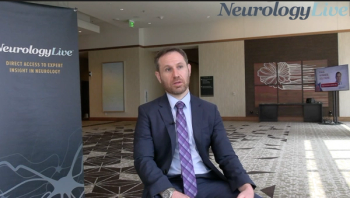
The pain management specialist and headache neurologist at the University of California San Diego Center for Pain Medicine discussed promising findings from a placebo-controlled trial assessing cannabis in patients with migraine. [WATCH TIME: 5 minutes]

Elizabeth K. Seng, PhD, associate professor at Yeshiva University and Albert Einstein College of Medicine, talked about migraine management through the lens of behavioral factors that clinicians can recommend and encourage to their patients.
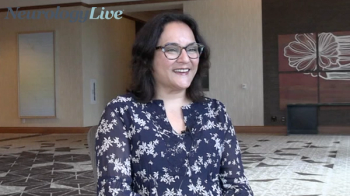
The associate professor of psychiatry at the University of Illinois at Chicago discussed the various working groups that have been formed to determine the priorities for different topics in migraine at the 2023 AHS Annual Meeting. [WATCH TIME: 5 minutes]

Allison Verhaak, PhD, a clinical psychologist from Ayer Neuroscience Institute at Hartford Healthcare Headache Center, discussed focus group and survey data on themes in migraine-related stigma, and the importance of creating a migraine specific stigma scale.

A retrospective cohort study observed no significant difference in the number of patients who discontinued concurrent peripheral nerve blocks and onabotulinumtoxinA, which the authors recognized as a marker of clinical relevance.

Demographic factors of male sex, non-White race, and having a primary language other than English were associated with a lower odds of being diagnosed with migraine.
Patients on candesartan saw statistically significant reductions in the mean frequency of monthly headache days, including moderate to severe headache days.
When comparing galcanezumab, fremanezumab, and erenumab, 3 FDA-approved CGRP medications for preventive migraine, time to switch was lowest for erenumab and similar for galcanezumab and fremanezumab.
Investigators concluded that the increased prevalence of medication-overuse headache might be because of the lack of understanding about the condition in both providers and patients with migraine.
The chief of headache at UT Austin Dell Children’s Hospital provided insight on a new series designed to deliver longitudinal comprehensive pediatric headache education. [WATCH TIME: 3 minutes]
Findings from a subgroup analysis investigating kinetic oscillation stimulation showed that the treatment potential might be an effective and safe option for preventing chronic migraine.
The neurologist at Weill Cornell Medicine and NewYork-Presbyterian Hospital offered his insight into the state of treatment for status migrainosus and whether or not the new migraine medications can help improve care. [WATCH TIME: 2 minutes]

The director of the Montefiore Headache Center provided an overview of the recent advances in migraine medications and how it has translated to improved care. [WATCH TIME: 2 minutes]

The director of the Montefiore Headache Center provided commentary on how analyses presented at AHS 2022 further support the benefits intranasal zavagepant bring to the migraine treatment landscape. [WATCH TIME: 5 minutes]

The director of the Montefiore Headache Center provided insight on an open-label study presented at AHS 2022 that highlighted rimegepant’s (Nurtec ODT; Biohaven) impact both as a preventative and acute medication. [WATCH TIME: 5 minutes]
The director of the Montefiore Headache Center discussed the intuitiveness and advantages the Migraine Clinical Outcome Assessment System, or MiCOAS, grant provides to clinical trials and patients with migraine. [WATCH TIME: 5 minutes]
The pediatric neurologist and headache specialist at the University of Calgary and Alberta Children’s Hospital spoke about the need for improved funding and research efforts for the migraine population. [WATCH TIME: 5 minutes]

Mind Moments®, a podcast from NeurologyLive®, brings you an exclusive interview with Serena L. Orr, MD, MSc. [LISTEN TIME: 32 minutes]