
Since paraneoplastic neurologic syndromes remain underrecognized in oncology, experts recently discussed diagnostic challenges, treatment strategies, and the need for clinical vigilance.
Since paraneoplastic neurologic syndromes remain underrecognized in oncology, experts recently discussed diagnostic challenges, treatment strategies, and the need for clinical vigilance.
Global site reactivation for the MAGNITUDE-2 trial of nexiguran ziclumeran in hereditary transthyretin amyloidosis with polyneuropathy is underway, with enrollment completion expected in the second half of 2026.

In honor of National Women Physicians Day, held February 3, 2026, a trio of women clinicians highlighted the importance of individualized care for women living with multiple sclerosis.
The REVISE trial, a phase 2 study evaluating GenSight Biologics’ lenadogene nolparvovec in patients with Leber hereditary optic neuropathy, is expected to begin in January 2026.
Review upcoming clinical trials with data readouts expected in the first half of 2026, providing updates relevant to ongoing research and clinical practice in neurology.
Apazunersen, an investigational intrathecal therapy, is being evaluated in the phase 3 Aspire trial for pediatric Angelman syndrome, with study completion anticipated in the second half of 2026.
A trio of neurology experts discussed the clinical application of the 2025 updated multiple sclerosis diagnostic criteria, including imaging and biomarker tools, to support patient care.
Topline results of the EVOKE and EVOKE+ studies of semaglutide will be presented at the 2025 Clinical Trials on Alzheimer’s Disease Conference, held December 1-4, in San Diego, California.
Salvia BioElectronics’ PRIMUS system, currently being assessed in a clinical trial, delivers subcutaneous occipital and supraorbital nerve stimulation for patients with resistant migraine.

Portable optical blood flow monitors can enhance prehospital stroke diagnosis, enabling faster, accurate triage for large vessel occlusions and improving patient outcomes.
A new trial evaluates PIPE-307, a drug targeting M1 receptors, aiming to promote remyelination in relapsing-remitting multiple sclerosis patients.
Spanning the United Kingdom, the United States, European Union, and Japan, the global phase 3 EMPEROR study of zorevunersen is expected to have a data readout by the end of 2027.
The AHEAD 3-45 Study is currently assessing lecanemab asymptomatic stage of Alzheimer disease to assess whether the therapy can slow biomarker changes or cognitive decline at the earliest phases.

Neurology experts anticipate groundbreaking clinical trial results in 2025, potentially transforming treatment strategies for various neurological conditions.
Following positive phase 3 findings, Apnimed plans to submit a new drug application to the FDA in early 2026 for its lead candidate AD109 as a potential treatment of obstructive sleep apnea.
Overviewing the major clinical trial readouts in neurology from the first half of 2025, with data that could reshape patient care.
The phase 2 trial tests Roche’s investigational antisense oligonucleotide therapy tominersen in patients with early stages of Huntington disease, a disease with no FDA-approved therapies available.

Explore groundbreaking therapies in development for Huntington disease, targeting its root causes and offering hope for improved patient outcomes.
The REGENERATE-PD trial is a phase 2 study assessing the safety and efficacy of the investigational gene therapy AB-1005 in patients with moderate-stage Parkinson disease.
The HARBOR study is an ongoing phase 3 global study focused on assessing del‑desiran, formerly known as AOC 1001, which aims to treat the underlying cause of DM1.
The phase 3 PERSEUS study will assess the efficacy of Sanofi’s investigational Bruton’s tyrosine kinase inhibitor tolebrutinib compared with placebo in delaying disability progression in PPMS.
Recent data and conversations with experts highlighted the increasing concern of Long COVID’s impact on the brain in patients who have been previously infected with the virus.

Secondary symptoms of PD can be as debilitating as the primary motor symptoms, often leading to increased disability, reduced independence, and a higher burden on caregivers.
According to recent studies and the latest insights provided by experts, early developments in gene and cell therapies show promise for patients living with Parkinson disease, but challenges remain.
Mayo's MOGAD Clinic represents a new type of novel, multidisciplinary care, incorporating multiple different backgrounds of neurology, neuroimmunology, neuro—ophthalmology, and urology, among others.
Advancements in the detection and care of multiple sclerosis have led to improved diagnosis rates and a more multidisciplinary approach to treating the autoimmune disorder.
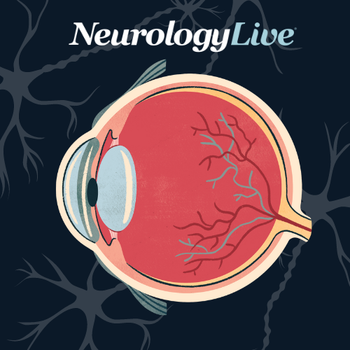
Newly approved treatments in neuromyelitis optica spectrum disorder have shown efficacy in recent years, yet unaddressed concerns voiced by clinicians and patients living with the disease remain.
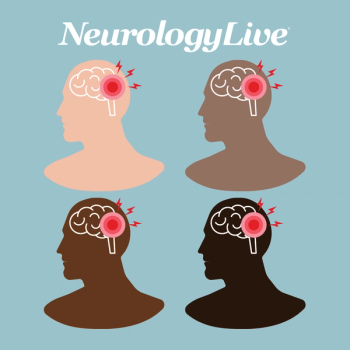
Experts in stroke care expressed a need for significant increases in awareness of stroke risk factors and symptoms in patient communities that experience racial disparities.
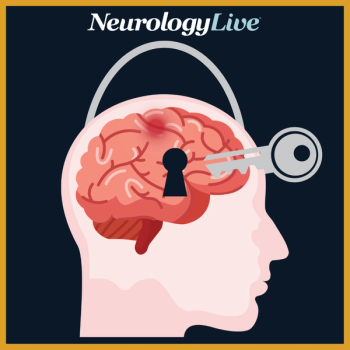
The conversations behind cerebroprotection in stroke have begun to get louder, with a pipeline that includes several different approaches to treatment.
In recent conversations with experts in epilepsy, the impact of stigmatization remains high for patients and ongoing efforts by clinicians to address this issue in the clinical setting has been underscored, despite the global lack of awareness about new treatments and other resources.