

The phase 3 HARMONIA trial will evaluate whether a muscle- and CNS-targeted antisense conjugate improves function across multiple systems in patients with myotonic dystrophy type 1.
The phase 3 HARMONIA trial will evaluate whether a muscle- and CNS-targeted antisense conjugate improves function across multiple systems in patients with myotonic dystrophy type 1.
In recognition of International Ataxia Awareness Day, observed annually on September 25, NeurologyLive® reviews 6 investigational agents in clinical development across ataxia-related disorders.
In recognition of World Alzheimer's Day, NeurologyLive reviews Alzheimer disease developments from 2026, spanning blood-based biomarkers, emerging treatments, prevention research, disease risk factors, and safety considerations surrounding anti-amyloid therapies.

In honor of Muscular Dystrophy Awareness Month, held annually in September, NeurologyLive® looks back at the decade-long expansion of the DMD treatment landscape and the data that supports each approval.
Seven experimental DM1 therapies show promise and pitfalls; see latest trial data, a major phase 3 miss, and key 2026 readouts.
Emerging therapies for muscular dystrophy are targeting a range of disease mechanisms, from RNA-based approaches and muscle-directed delivery to cell therapy and DUX4 suppression.
In honor of SMA Awareness Month, held annually throughout August, get caught up on the latest news in spinal muscular atrophy from 2026, 5 headlines compiled in one place by the NeurologyLive® team.
In recognition of SMA Awareness Month, held annually throughout August, NeurologyLive® reviews the investigational agents currently moving through clinical development for spinal muscular atrophy.
The phase 3 clinical program for salanersen, an investigational intrathecally administered antisense oligonucleotide, will test the efficacy of the agent across infants, adolescents and adults living with SMA.
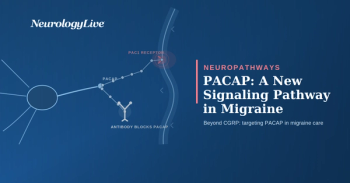
Clinician author Kevin Chang, PharmD, writes about PACAP as a distinct, druggable migraine pathway independent of CGRP, offering a promising option for patients who don't respond to current therapies.
Six FDA PDUFA decisions this fall could reshape care in Alzheimer disease, DMD, Sanfilippo syndrome, Alexander disease, and SMA, here's what clinicians need to know about the data behind each.
In recognition of SMA Awareness Month, held annually throughout August, NeurologyLive® summarized the latest literature on the multidisciplinary care approach for patients living with spinal muscular atrophy.

Cleveland Clinic experts Trishul Kapoor, MD, and Osama Kashlan, MD, discussed how advanced diagnostics, basivertebral nerve ablation, endoscopic surgery, and neuromodulation unite to ease chronic back pain.
Spinogenix’s codabakalner, an investigational BK channel modulator, is currently being evaluated in CLARITY, a phase 2b/3 trial for the treatment of patients with Fragile X syndrome.
Ahead of World Brain Day, NeurologyLive explores 5 emerging strategies for preventing neurologic disease, from modifiable dementia risk factors to GLP-1 drugs, sleep science, the gut brain axis, and wearable technology.
A look at where things stand for Fragile X syndrome drug development, covering seven agents across four mechanisms as the field regroups from two recent Phase 3 setbacks.

From concussion recognition to blood-based biomarkers and the long-term effects of repetitive heading, neurologists discuss how emerging research is changing the understanding of brain injury in the world's most popular sport.

From concussion recognition to blood-based biomarkers and the long-term effects of repetitive heading, neurologists discuss how emerging research is changing the understanding of brain injury in the world's most popular sport.
Cleveland Clinic pilots HAP-E, guiding older adults to manage epilepsy and cognitive decline with lifestyle tools, medication support, and virtual access.
The ongoing phase 3 RELIEVE trial investigates the efficacy and safety of remibrutinib in patients with generalized myasthenia gravis who are on stable standard-of-care treatment.

The 2026 Alzheimer disease drug development landscape highlights a growing shift toward diverse disease-modifying strategies, from amyloid and tau targeting to metabolic and neuroprotective approaches.
Experts explore how stem cell therapies could transform the treatment of Parkinson disease, covering clinical trial progress, patient counseling challenges, and the potential to replace current standard-of-care approaches.
FACT, an ongoing trial, evaluates the efficacy of efgartigimod alfa injection versus high-dose intravenous methylprednisolone in a cohort patients with neuromyelitis optica spectrum disorder.

GLP-1 receptor agonists show growing relevance in neurology, with strongest evidence in stroke prevention and obstructive sleep apnea and emerging signals in idiopathic intracranial hypertension and migraine.
Findings from the phase 2 ADDRESS-LC trial, assessing BioVie’s bezisterim in patients with long COVID–related fatigue and cognitive impairment, are anticipated to be reported in the first half of 2026.

Machine learning will only transform clinical neurology if predictive accuracy is matched by usability, transparency, and active physician involvement in the design and implementation of tools that support patient care.

Experts Laura Saucier, MD, MSc, and Jonathan Santoro, MD, examined pediatric MOGAD phenotypes, highlighting how variability in clinical presentation may influence treatment responses and inform individualized care strategies.

In honor of International Pompe Day, held April 15, 2026, NeurologyLive reviewed recent studies on the latest research and evolving standards of care for Pompe disease.

In recognition of National Public Health Week, held April 6-12, NeurologyLive summarizes recent literature showing that environmental exposures are associated with increased risk of neurologic disorders.
The POLARIS program includes 3 ongoing phase 1/2 clinical trials investigating the efficacy and safety of investigational gene therapy EXT101 in patients with SCN1A postive Dravet syndrome.