
The professor of neurology at Stony Brook University Medical Center discussed the significance of shared decision making in multiple sclerosis care and promising developments in treatment strategies. [WATCH TIME: 3 minutes]
The professor of neurology at Stony Brook University Medical Center discussed the significance of shared decision making in multiple sclerosis care and promising developments in treatment strategies. [WATCH TIME: 3 minutes]

Throughout the 96-week EVOLVE-MS-1 trial, the majority of patients with MS experienced stable outcomes with diroximel fumarate treatment.

Here's some of what is coming soon to NeurologyLive® this week.

Patients from higher-income zip codes exhibited a higher incidence of withdrawal of life-sustaining therapies and mortality, according to a recent retrospective study.

The associate professor of neurology at the Cleveland Clinic Learner Institute discussed some of the complexities with genetics in Parkinson disease and the ideas behind developing and administering targeted gene therapies. [WATCH TIME: 4 minutes]
Test your neurology knowledge with NeurologyLive®'s weekly quiz series, featuring questions on a variety of clinical and historical neurology topics. This week's topic is stroke.
The professor of neurology at NYU Grossman School of Medicine talked about the importance of aligning leadership roles with personal passions for women in the field of neurology pursuing their careers in medicine. [WATCH TIME: 5 minutes]

In a case report, an HIV-positive patient with active multiple sclerosis showed reduced disease activity with tenofovir-containing antiretrovirals, suggesting potential MS treatment benefits.
Neurology News Network for the week ending February 3, 2024. [WATCH TIME: 3 minutes]

A panel of stakeholders formed new guidelines for improving care in specialized epilepsy centers, providing a resource for clinicians in the field for quality care to their patients.
Take 5 minutes to catch up on NeurologyLive®'s highlights from the week ending February 2, 2024.
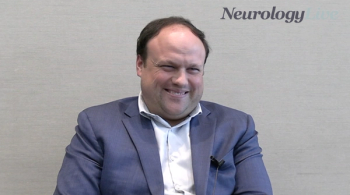
The associate professor of neurology at Vanderbilt University Medical Center discussed exploring promising opportunities in other phases outside of the acute phase of ischemic stroke. [WATCH TIME: 3 minutes]

For patients on apixaban, the risk of stroke or systemic embolism was lowered by 37% and the risk of disability or fatal stroke was lessened by 49%.

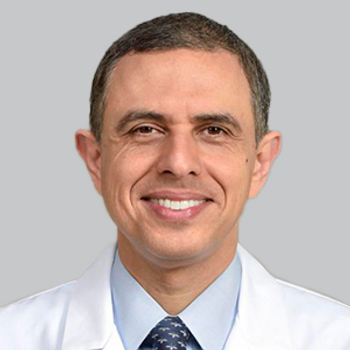
The adjunct professor of human genetics at Emory University School of Medicine discussed previous research on Rett syndrome that initially provided crucial insight on the neuromuscular condition in adult populations. [WATCH TIME: 2 minutes]
In a recent open-label trial, utilization of focused ultrasound to open the blood–brain barrier combined with infusions of aducanumab decreased amyloid-β levels.

The founder and executive director of the Sumaira Foundation shared her patient journey living with NMOSD and the progress that has been made in the field over the past decade. [WATCH TIME: 4 minutes]

A recent review revealed critical components, including cognitive restructuring and third-wave strategies, that enhance the effectiveness of cognitive behavioral therapy for insomnia.
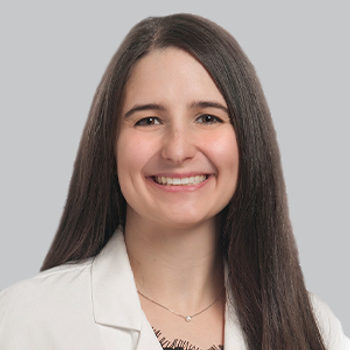
Marisa McGinley, DO, a staff neurologist at Cleveland Clinic’s Mellen Center for MS Treatment and Research, provided forward thoughts on the healthcare reach of neurologists and care access for patients with multiple sclerosis.

The observational study found no increase in migraine days at the end of treatment months for patients on erenumab or fremanezumab.

An online shared decision-making tool showed feasibility in most patients with multiple sclerosis, with reported improvements in understanding treatment options and adherence to treatment.

Despite conditional approval in Europe since 2014, ataluren's authorization has faced rejections and is still investigational in the US.

The chair of Allegheny Health Network’s department of neurology provided insight on his clinical experiences with migraine medicine and how the field needs to adapt to the ongoing changes to treatment options. [WATCH TIME: 4 minutes]
Approved in 2021 under the accelerated approval pathway, aducanumab’s path has been met with controversy and lack of industry support.

The director of NYU Langone’s Comprehensive Epilepsy Center discussed the infrequent prevalence of febrile seizures in toddlers prior to sudden death and the difficulty with toeing the line on being overly cautious and reasonable. [WATCH TIME: 4 minutes]
The professor in the department of neurology with McGovern Medical School at UTHealth Houston discussed outcomes of a recent study exploring the specificity of T cells in the spinal fluid of patients diagnosed with multiple sclerosis.
A recent study demonstrated that concomitant sleep apnea syndrome may expedite cognitive decline, particularly in attention and concentration, among patients with multiple sclerosis.

VCA-894A, a novel antisense oligonucleotide, exhibits a mechanism of action that specifically targets a cryptic splice site variant within immunoglobulin mu-binding protein 2.
Despite initial enthusiasm, novel treatments for Duchenne muscular dystrophy face discontinuation challenges and lack long-term clinical efficacy data.
The founder and executive director of the Sumaira Foundation discussed the increasing amount of misdiagnosis in rare diseases such as NMOSD and how it impacts these patients in terms of care and support. [WATCH TIME: 2 minutes]

Over a 28-week treatment period, the investigational agent demonstrated significantly greater increase in dystrophin expression and exon skipping than previously approved eteplirsen, Sarepta’s first therapy for Duchenne muscular dystrophy.