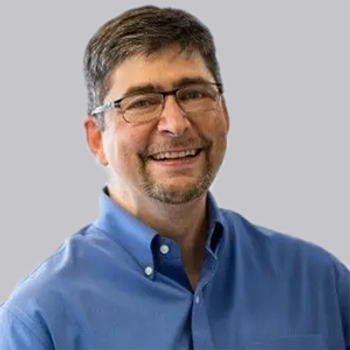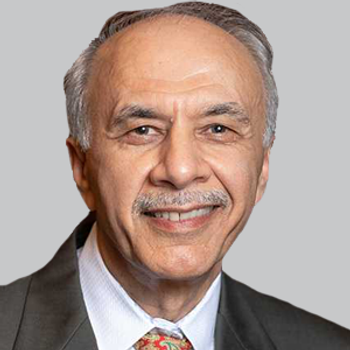
Robert A. Hauser, MD, MBA, director of the Parkinson’s and Movement Disorders Center at the University of South Florida, provided insight on the therapeutic potential of IPX203, and why it adds flexibility to the treatment of Parkinson disease.

Robert A. Hauser, MD, MBA, director of the Parkinson’s and Movement Disorders Center at the University of South Florida, provided insight on the therapeutic potential of IPX203, and why it adds flexibility to the treatment of Parkinson disease.

At AMTRD 2023, the movement disorder neurologist at the Parkinson’s Disease and Movement Disorder Center of Silicon Valley talked about the current care landscape for Parkinson disease and improving on-time for patients experiencing OFF periods. [WATCH TIME: 5 minutes]

In a recent survey, a group of advanced practice providers recognized the importance and considered the emotional impact of the unexpected return of symptoms on the life of a patient with Parkinson disease.

The nurse practitioner at the University of Southern California Keck Medical School provided insight on steps before deep brain stimulation and how they can impact outcomes for patients with Parkinson disease. [WATCH TIME: 4 minutes]

In a secondary analysis of a double-blind trial, mazindol extended-release outperformed placebo on clinician and patient scales of cataplexy severity and excessive daytime sleepiness.

Pooled results of a post hoc analysis from phase 3 studies of amantadine (Gocovri; Supernus) suggest that the therapy offers increased good ON time, and in intervals that are more predictable for patients, compared with placebo.

The assistant professor of neurology and director of the Movement Disorders Outreach Program at Mount Sinai Medical Center shed some light on the use of DBS in the clinic and how it has evolved as a therapeutic option for patients with Parkinson disease. [WATCH TIME: 2 minutes]

At CMSC 2023, the professor of psychiatry at the University of Toronto talked about cognitive behavioral therapy and mindfulness-based therapy that shows promise in alleviating fatigue in multiple sclerosis, offering potential treatment options. [WATCH TIME: 5 minutes]

Results from the phase 3 LAVENDER trial investigating trofinetide (Daybue; Acadia), which supported the first FDA-approved treatment for Rett syndrome, were recently published in Nature Medicine.

Here's some of what is coming soon to NeurologyLive® this week.

The executive director of the newly launched Association of Movement Disorder Advanced Practice Providers provided an overview of the organization and what it can offer to APPs. [WATCH TIME: 4 minutes]

Data from the phase 3 KINECT-HD study of valbenazine (Neurocrine Biosciences) provided a keen understanding of the threshold for clinically meaningful improvement in TMC scores. The VMAT2 inhibitor showed promising gains for patients.

At CMSC 2023, the Melissa and Paul Anderson President’s Distinguished Professor of Neurology at the Perelman School of Medicine of the University of Pennsylvania, talked about the phase 2 trials that show promising results for BTK inhibitors as a potential MS therapy. [WATCH TIME: 4 minutes]

The panel of movement disorder specialists and dermatologists offered a framework of suggestions for the supervision of the most common infusion-site reaction associated with these therapies.

Test your neurology knowledge with NeurologyLive®'s weekly quiz series, featuring questions on a variety of clinical and historical neurology topics. This week's topic is Parkinson disease and related disorders.

Data from an interventional survey suggest that patients with a better understanding of social participation’s benefits may be more confident to participate in social situations and events.

A survey of more than 700 Parkinson disease caregivers highlighted the impact their role has on them emotionally, physically, and mentally, and pointed to several areas of need for support from the clinical community.

The assistant professor of neurology and director of the Movement Disorders Outreach Program at Mount Sinai Medical Center spoke about the challenges with access to care in movement disorders. [WATCH TIME: 2 minutes]

Over a 5-year period in a study, both insomnia protective and risk factors in adults were observed as significantly associated with the sleep disorder, offering valuable insights for prevention strategies.

The professor of neurology and residency program director at MedStar Georgetown University Hospital discussed the value of educating clinicians on the utility of botulinumtoxins in PD care. [WATCH TIME: 3 minutes]

Neurology News Network for the week ending June 10, 2023. [WATCH TIME: 3 minutes]

The FDA is set to make a final decision in July 2023, and if approved, lecanemab would join aducanumab as the only antiamyloid therapies available to treat early-stage Alzheimer disease.

The director of the Movement Disorders Division at Loma Linda University discussed the importance of understanding good ON time in Parkinson disease care, and how it can influence quality of life. [WATCH TIME: 5 minutes]

Take 5 minutes to catch up on NeurologyLive®'s highlights from the week ending June 9, 2023.

John Harsh, PhD, clinical research director, Colorado Sleep Institute, sat down at SLEEP 2023 to discuss the RESTORE study results, and why patients with narcolepsy appear to prefer once-nightly sodium oxybate.

The sleep epidemiologist and assistant professor at the Rollins School of Public Health at Emory University, insight on the associations between race, socioeconomic backgrounds, and poor sleep and insufficient sleep. [WATCH TIME: 2 minutes]

The hold comes nearly a month after Health Canada sent PepGen a No Objection Letter to start its phase 2 CONNECT1-EDO51 trial in patients with Duchenne muscular dystrophy.

After discussions with the FDA, the study will assess 2 co-primary end points of change in Rett Syndrome Behavior Questionnaire total score and Clinical Global Impression Improvement Scale score.

The professor of neurology at the University of Virginia discussed the progress made in recognizing and diagnosing neuromyelitis optica spectrum disorder through the discovery of specific monoclonal antibodies. [WATCH TIME: 5 minutes]

Patients given slow oscillatory transcranial direct current stimulation during sleep recalled significantly more words 2 hours post-awakening compared with the sham group.